Manufacturing is built on processes that are precise, practical and often difficult to explain with words alone. A well-produced manufacturing video turns those processes into a clear visual story. It can show the scale of a facility, the expertise of the people behind the operation and the detail that makes a product or service different.
For manufacturers, video is more than a promotional extra. It is a flexible communication tool that can support sales conversations, recruitment, exhibitions, training and customer confidence. The strongest films do not simply show machinery in motion; they help viewers understand why the work matters.
What makes manufacturing video production different?
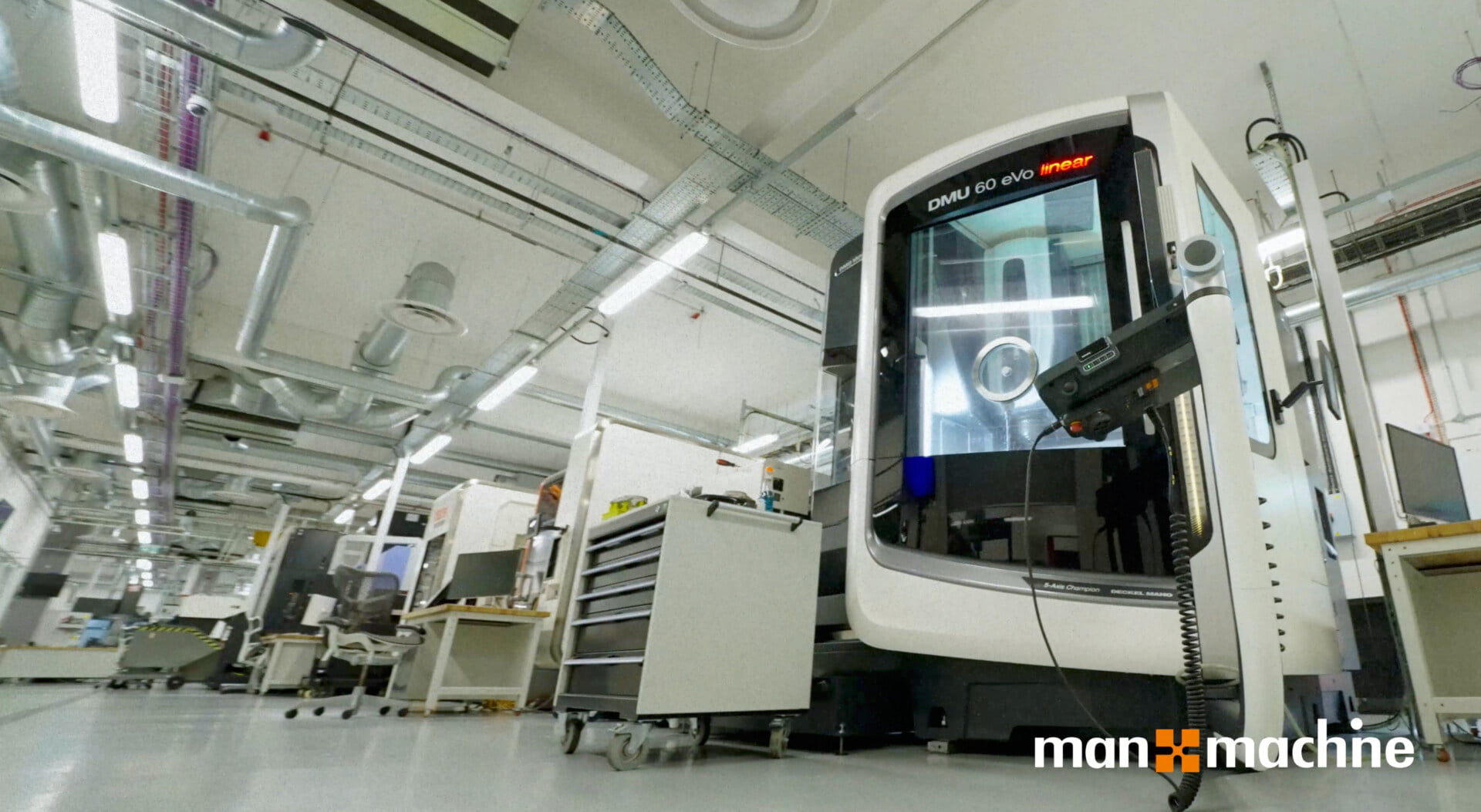
Filming inside a working factory or engineering facility calls for a specialist approach. Production teams must work safely around people, machinery and live processes while capturing footage that feels energetic and visually polished. The environment may include challenging lighting, high noise levels, restricted access areas and production schedules that cannot be interrupted.
Good preparation makes the filming day efficient. A practical production plan identifies the key processes, people and locations in advance. It also accounts for inductions, personal protective equipment, permissions and the best times to film each stage of production. This allows the crew to capture the right material without getting in the way of normal operations.
Start with a clear purpose
Before choosing cameras, interview questions or filming locations, decide what the video needs to achieve. A company overview might need to build trust with new customers, while a case study should demonstrate a specific result. A recruitment film may focus more heavily on culture, career progression and the working environment.
A clear purpose keeps the final edit focused. It also makes it easier to decide which departments, processes and contributors deserve screen time. Manufacturing businesses often have many impressive capabilities, but a film becomes more memorable when every scene supports one central message.
Show processes in a way customers can understand
Industrial processes can be technically complex. Video can simplify them by combining wide shots that establish scale with close-up details that reveal precision. Controlled camera movement can guide viewers through a production line, while macro shots can highlight finishes, tolerances and quality checks that might otherwise be overlooked.
The aim is not to remove technical substance. It is to present that substance in a logical sequence. Viewers should be able to follow how raw materials, engineering knowledge and quality control come together to create the finished result. When necessary, concise graphics or captions can clarify stages without slowing the pace.
Put people at the centre of the story
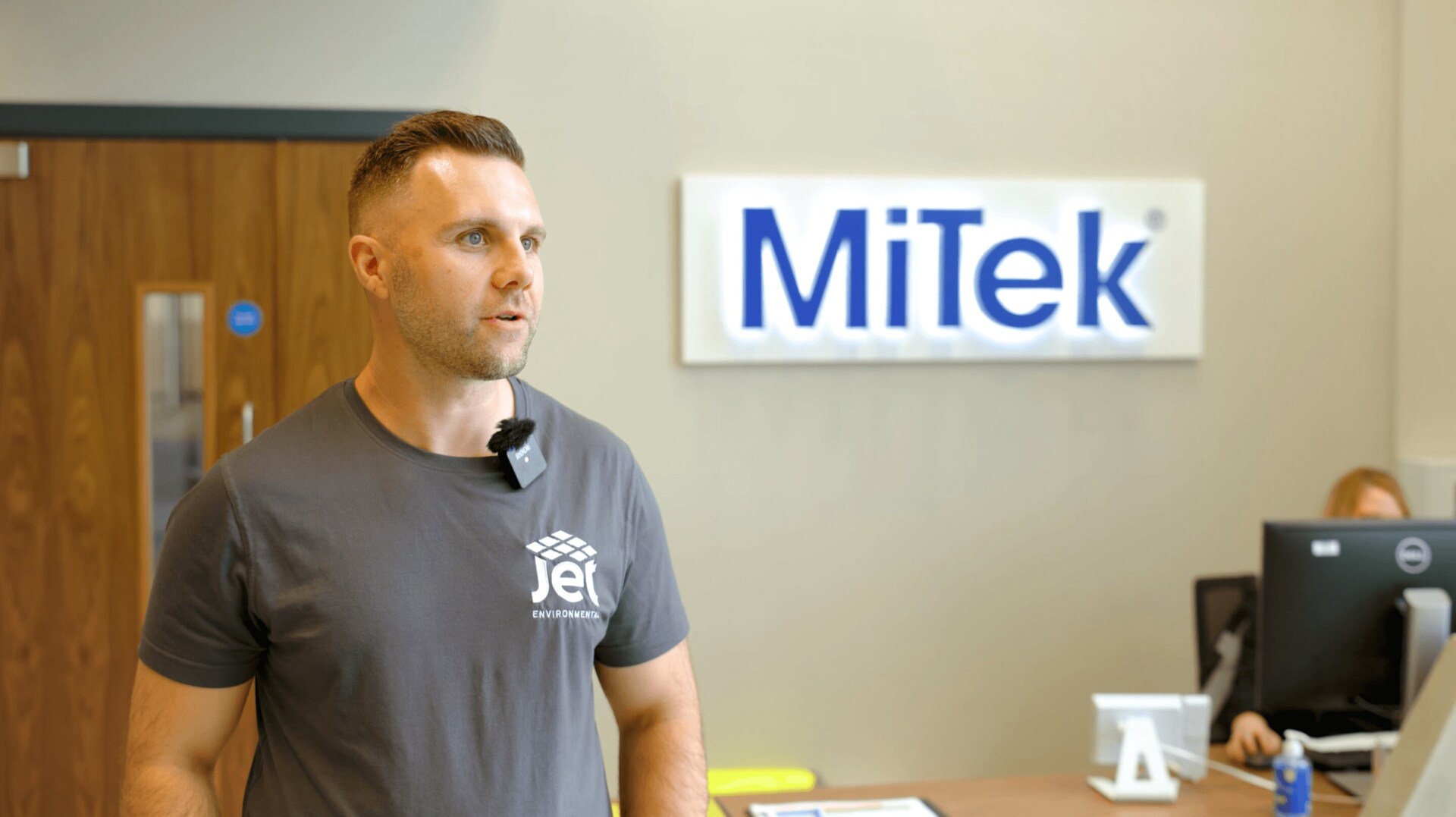
Machines may provide visual impact, but people create connection. Engineers, operators, apprentices and project leaders bring knowledge and personality to a manufacturing film. Their voices can explain challenges, demonstrate pride in the work and give potential customers a better sense of the organisation behind the product.
Interviews work best when they sound natural rather than scripted. A relaxed conversation, supported by carefully chosen questions, usually produces clearer and more credible answers. These comments can then be combined with footage of the contributor at work, helping the audience see both expertise and authenticity.
Plan for several useful versions
A manufacturing video production project can generate much more than one finished film. The main video may sit on a website or sales page, while shorter edits can be used on LinkedIn, at exhibitions, in presentations or during recruitment campaigns. Vertical and square versions can help footage work effectively across different platforms.
Planning these outputs before filming ensures the crew captures enough variety. It also improves value because one well-organised production day can create a library of content for months of communication. Short clips of individual processes, team members or project milestones can continue supporting marketing long after the main film is launched.
Professional production protects the details
Strong manufacturing films depend on more than sharp pictures. Clear interview sound, considered lighting, accurate colour and purposeful editing all shape how the business is perceived. Music and pacing should add energy without distracting from the process, while graphics should feel consistent with the company’s existing brand.
Safety and accuracy matter just as much as style. The final edit should represent procedures correctly, avoid revealing confidential information and present the facility at its best. A sensible review process gives technical and marketing teams the opportunity to check details before release.
Turning industrial capability into a compelling story
The best manufacturing videos make specialist work accessible without making it feel generic. They show the reality of production, the knowledge behind it and the standards that customers can expect. By combining careful planning with experienced industrial filming, a manufacturer can create content that is credible, versatile and visually distinctive.
Whether the goal is to win new business, explain a complex capability or attract skilled people, manufacturing video production gives audiences a direct view of what the company can do. When processes, people and precision are brought together in one focused story, the result can communicate far more than a brochure or specification sheet alone.