Manufacturing sales rarely depend on a single conversation. Buyers need to understand a supplier’s capability, assess technical fit, build an internal business case and feel confident that delivery risks are controlled. Manufacturing video production can support every stage of that journey by giving sales teams clear, repeatable evidence.
A well-planned video is not simply a company introduction. It can answer early questions, help technical specialists explain complex processes and give decision-makers a credible view of a factory they may not be able to visit. The key is to create footage around real sales needs rather than treating video as a one-off marketing exercise.
Build awareness with a clear first impression
At the start of the sales journey, prospects are deciding whether a manufacturer is relevant enough to investigate. They may arrive through search, LinkedIn, an exhibition or a referral. A concise overview video can quickly establish what the company makes, which sectors it serves and why its approach is distinctive.
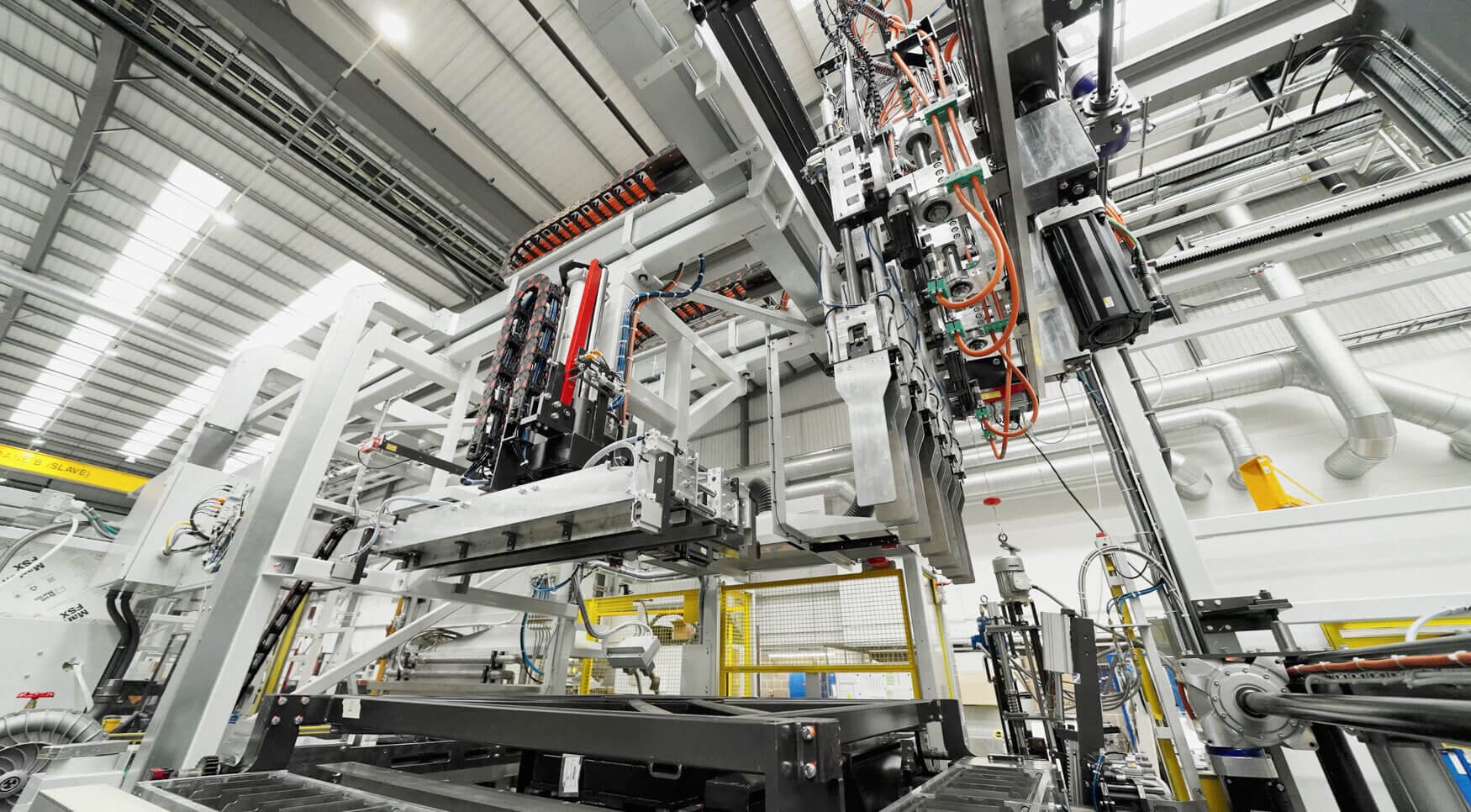
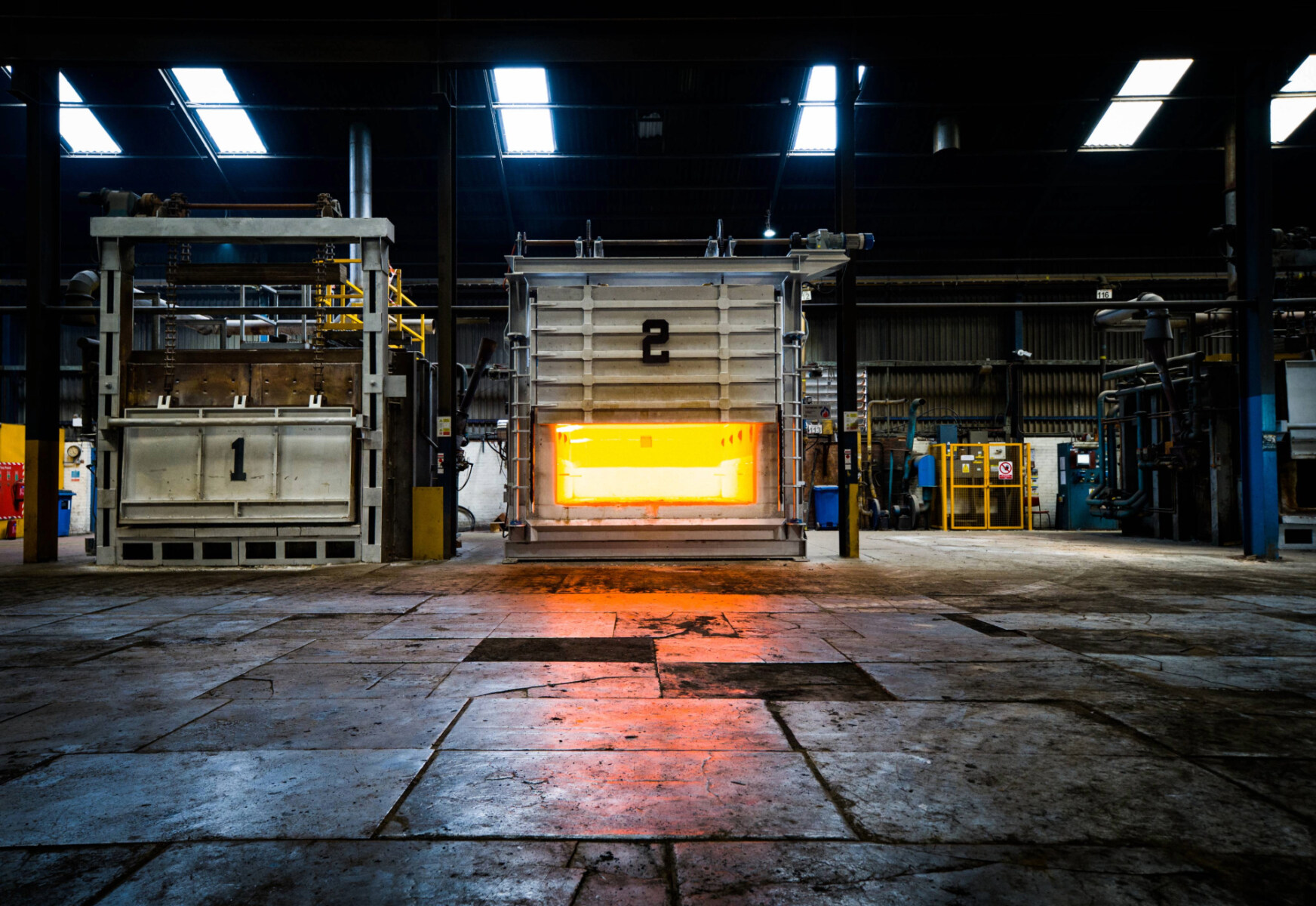
The opening needs to be specific. General claims about quality and innovation are less useful than visible evidence of equipment, scale, skilled people and finished work. Strong factory footage lets viewers recognise capability before they read a long list of services.
Short extracts can extend that first impression across different channels. Purpose-made manufacturing videos for social media can focus on one process, one application or one useful insight, giving potential buyers several natural routes into the wider story.
Help prospects understand technical capability
Once a buyer shows interest, the questions become more detailed. They may want to understand tolerances, throughput, material handling, inspection procedures or the way a project moves from design to production. Video can give context that specification sheets and still photographs struggle to provide.
A useful capability film follows a logical sequence. Wide shots orient the viewer, medium shots show interaction between people and equipment, and close-ups reveal controls, tooling and quality checks. Clear captions or simple graphics can identify process stages without burying the viewer in terminology.
Interviews with engineers and operators add explanation and authority. Rather than reciting a script, contributors can answer the questions sales teams hear most often. Their knowledge then becomes available to every prospect, even when the right technical expert cannot join an early meeting.
Give sales teams evidence they can reuse
Salespeople need assets that work in different situations. A two-minute overview may suit an introductory email, while a focused process sequence can strengthen a presentation. A short clip showing inspection or testing may answer a specific objection during a video call.
Planning these versions before filming improves efficiency. The production team can capture alternative openings, clean equipment sequences, interview soundbites and vertical compositions during the same visit. That footage becomes a flexible library rather than material tied to one finished edit.
Preparation also protects normal operations. Coordinating access, shift patterns and sensitive areas through a structured factory video shoot plan helps the crew capture useful sales material without creating unnecessary downtime.
Reduce uncertainty during evaluation
Industrial purchases carry practical and financial risk. Buyers want reassurance that the supplier understands the application and has delivered successfully before. Video can reduce that uncertainty by showing systems in operation and people following consistent procedures.
Visible proof matters more than broad promises. Calibration records, documented inspections, organised work areas, traceability steps and careful packing all demonstrate control. When these details are filmed authentically, prospects can see how quality is maintained rather than being asked to accept a claim.
Customer stories are particularly effective during evaluation because they connect a technical solution to a real outcome. Understanding why manufacturing video case studies build confidence helps sales teams use customer evidence at the moment a prospect is comparing suppliers.
Support internal decision-making
The person who first contacts a manufacturer is rarely the only decision-maker. Engineers, operations managers, procurement teams and directors may all need different information. A strong video helps the original contact explain the supplier internally without rebuilding the story from scratch.
This is where structure becomes important. The film should make the commercial relevance clear while still providing enough technical substance to withstand scrutiny. Captions can highlight measurable facts, while chapters or shorter edits allow viewers to reach the section most relevant to their role.
Video is also valuable when travel is difficult. International prospects and busy project teams can gain a grounded view of the facility before committing to a visit. That can make later meetings more productive because basic capability questions have already been answered.
Keep the asset useful after the first campaign
Manufacturing facilities evolve, but much of the underlying story remains valuable for years. Careful shot selection can extend the life of the footage by avoiding temporary signage, dated screens or claims likely to change. A clean master library also makes future updates easier.
Sales and marketing teams should agree how each edit will be stored, named and used. Links can be added to proposals, CRM templates, presentation decks and follow-up messages. Tracking which videos are shared most often can reveal the subjects prospects find most useful.
Regular review keeps the material accurate. When equipment, processes or branding change, individual sections can often be replaced without commissioning a completely new production. Planning for that flexibility at the outset protects the investment.
Turn one production into a practical sales toolkit
The most effective manufacturing video production begins with the sales journey, not the camera. By identifying the questions buyers ask at each stage, a manufacturer can create an overview, technical explanations, proof points and customer evidence that work together.
The result is a practical toolkit that helps prospects understand the factory, gives salespeople reliable material to share and supports internal decision-making. Instead of one film serving one campaign, the production becomes a consistent source of clarity throughout the buying process.