In manufacturing video production, interview answers provide explanation, but B-roll supplies the evidence. These supporting shots show equipment operating, people applying specialist skills and quality systems working in real time. When carefully planned, they make the finished film clearer, more credible and far more engaging.
Good B-roll is not simply a collection of attractive factory images. Every shot should help the viewer understand a process, support a claim or move the story forward. Creating that connection begins before the camera enters the building.
Start with the claims the film needs to prove
A manufacturer may want to communicate precision, capacity, flexibility, innovation or reliable quality. Each of those ideas requires different visual evidence. Precision could be shown through careful setup and measurement, while capacity needs wider views of equipment, workflow and scale.
Write down the important claims and identify what a visitor would need to see in order to believe them. This turns broad messages into practical filming priorities. It also helps the production team avoid spending too much time on machinery that looks impressive but does not support the story.
The shot plan should connect to the wider structure of the film. Considering what belongs in a manufacturing company video makes it easier to balance processes, people, products and proof.
Follow a process from beginning to end
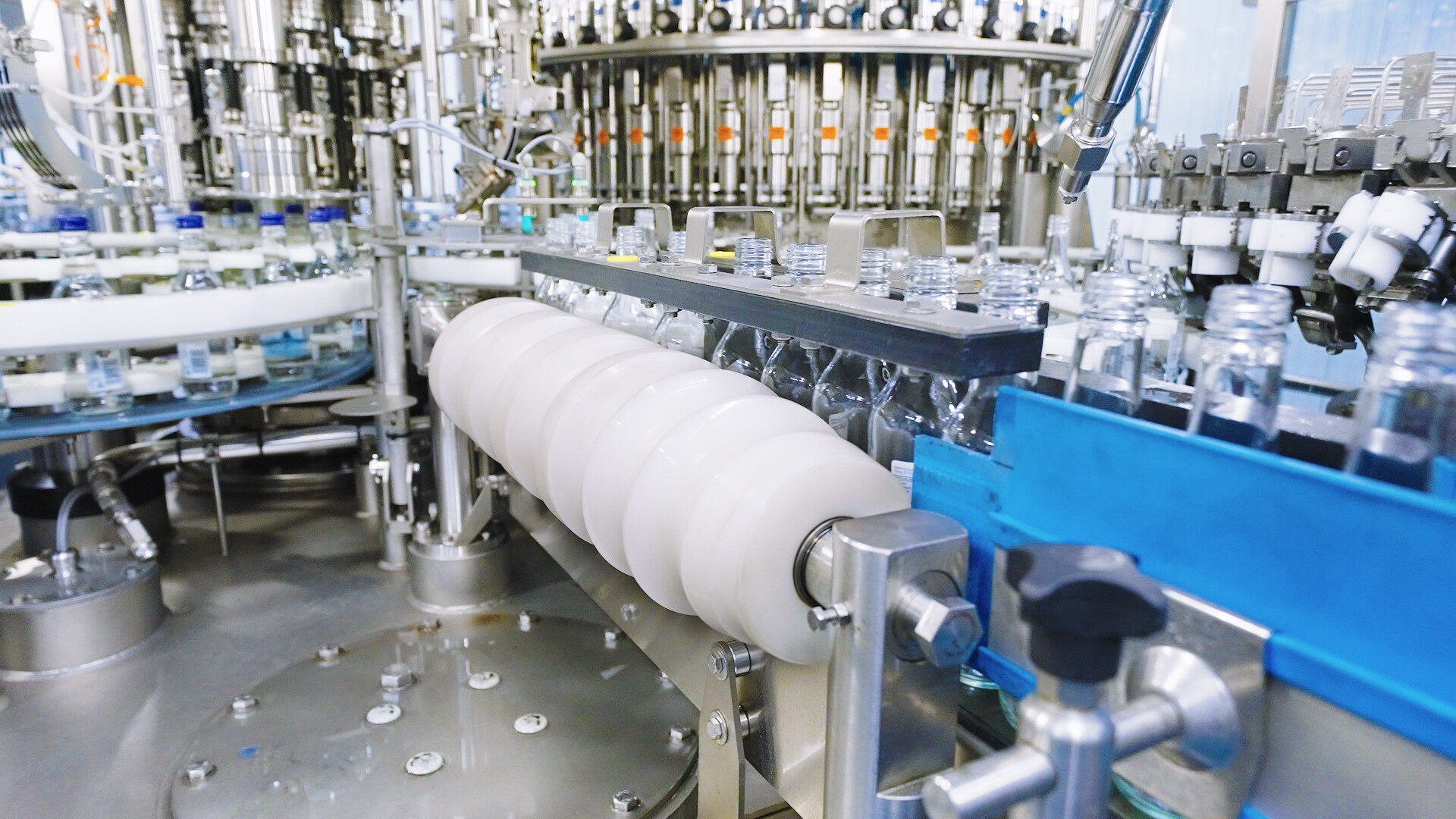
Viewers understand complex operations more easily when footage follows a logical sequence. That might begin with raw material, continue through machining or assembly and finish with inspection, packing and dispatch. Even if the final edit is short, capturing the complete journey gives the editor useful choices.
A process sequence should include establishing shots that show location, medium shots that reveal interaction and close-ups that capture important detail. These three scales help the audience build a mental map of what is happening.
Continuity matters as well. If the film follows one component, the footage should show a consistent product or clearly communicate when the story moves to another stage. Small production notes can prevent confusing combinations during editing.
Capture people working with purpose
Operators and engineers bring scale and meaning to industrial footage. Their movements show how equipment is controlled, how decisions are made and where human expertise adds value. The most persuasive images usually come from authentic work rather than staged gestures.
Before filming, explain what the crew needs without asking employees to perform unfamiliar actions. A real setup, check or adjustment will look more confident because the contributor already knows the task. Safe working practices and correct protective equipment must remain unchanged for the camera.
Employee footage can also support interviews. Advice on selecting knowledgeable manufacturing video contributors helps ensure the people seen and heard in the film reinforce the same message.
Show detail that buyers cannot see from a distance
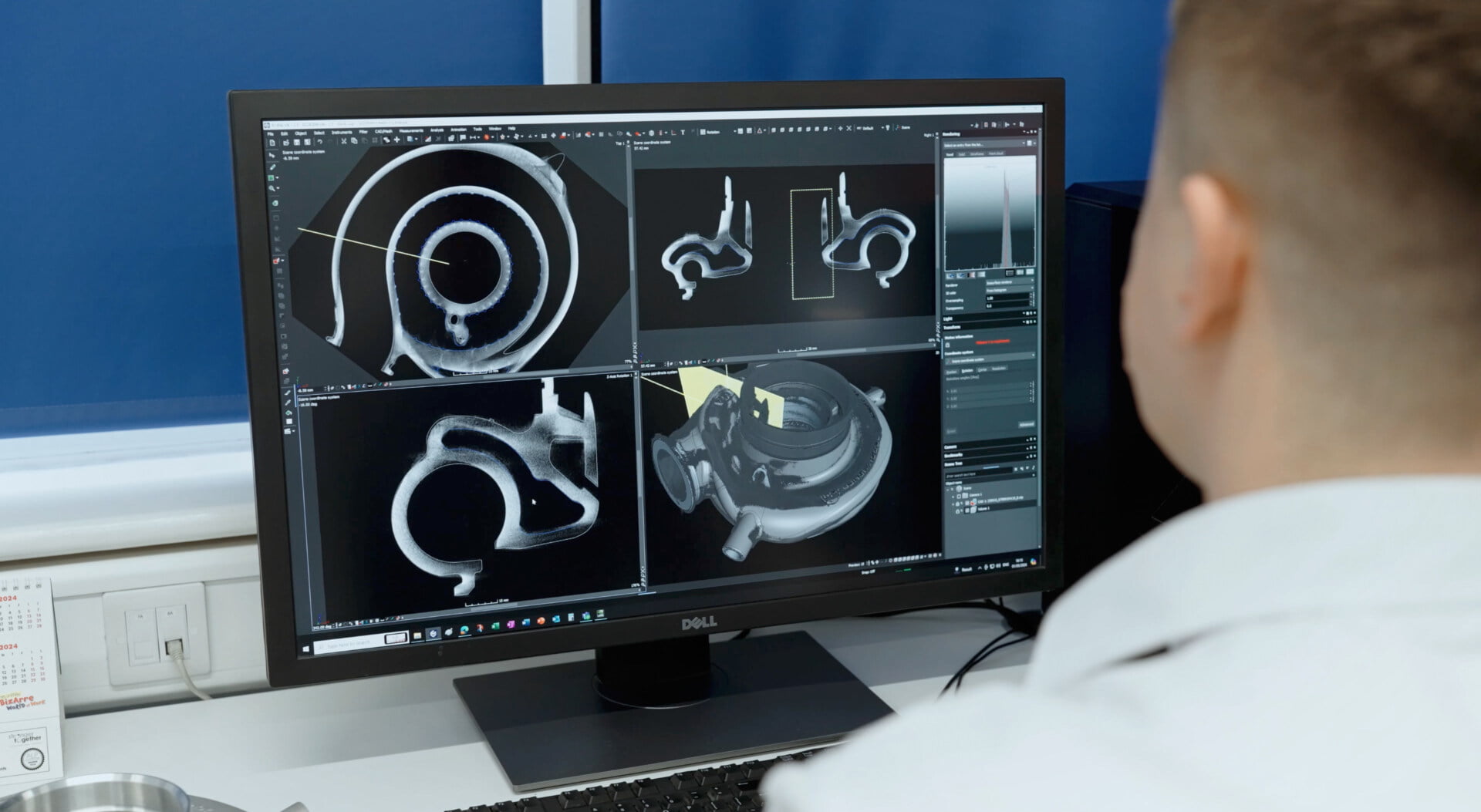
Close-up footage can reveal surface finish, tooling, measurement readouts, control interfaces and the precision of a skilled hand. These details are valuable because they give remote buyers some of the evidence they might normally seek during a factory visit.
Camera movement should have a reason. A slow move can reveal the scale of a machine or guide attention from an operator to the component. A locked shot may be better when the viewer needs to study a fast or detailed action.
Lighting also deserves attention. Factory illumination is designed for work rather than cameras, and reflective metal can create difficult highlights. Small, safely positioned lights or a change of angle can make the detail readable without making the environment feel artificial.
Plan around production rather than interrupting it
The strongest B-roll often depends on timing. A particular process may run once per shift, a component may only be available briefly, or a quality check may happen immediately after machining. The crew needs to know these windows before filming begins.
A schedule built with production managers can group shots by location and process stage. It reduces unnecessary movement, protects output and makes the best use of operator availability. Contingency options are useful when priorities change on the factory floor.
A practical manufacturing video shoot plan can coordinate access, safety, noise and timing while keeping normal operations moving.
Record sound as part of the visual story
B-roll is primarily visual, but natural sound adds texture and authenticity. The click of a measurement tool, the movement of a press or the controlled rhythm of automation can make a sequence feel immediate.
Clean sound should be recorded at several points, even if interviews will carry most of the narrative. Short sections of genuine factory audio can create transitions and give the edit energy. Excessive or harsh noise can be reduced later, but useful sound must first be captured.
The crew should never place microphones where they create a safety risk or interfere with equipment. Sound recording needs the same careful coordination as camera positioning.
Create options for the edit
A single action should be captured from more than one useful perspective when production allows. A wide shot establishes the scene, a medium shot shows the operator and a detail shot provides proof. Holding each image for long enough gives the editor room to build a smooth sequence.
Alternative openings and endings are particularly valuable. A dramatic machine movement may work well at the start of a main film, while a clean finished-product shot could support a shorter sales or social edit.
Vertical framing and extra close-ups can also extend the footage across different platforms. Planning those needs on the day is more efficient than trying to crop every image from one widescreen composition.
Protect confidential information in every frame
B-roll may accidentally capture customer names, drawings, screens, job sheets or proprietary products. These risks should be marked during the recce and checked again before each setup.
Careful angles, approved demonstration parts and temporary screen changes can prevent problems at source. Blurring is possible in post-production, but it takes time and may distract from the final image.
A designated member of the manufacturing team can review sensitive areas with the crew. This creates a clear decision path and lets filming continue confidently.
Turn supporting footage into visible proof
Well-planned B-roll does more than decorate an interview. It lets viewers see the evidence while they hear the explanation. That combination is especially effective in manufacturing, where capability is demonstrated through actions, systems and repeatable detail.
By linking each shot to an audience question, following complete process sequences and coordinating closely with production teams, manufacturers can build a versatile library of footage. The finished video becomes easier to understand, more persuasive to buyers and useful across far more than one campaign.