A manufacturing video can reveal the scale, skill and precision behind an industrial business, but the filming itself must work around a live production environment. Machines need to keep running, teams have targets to meet and safety procedures cannot be compromised for the sake of a shot.
That is why successful manufacturing video production begins with practical planning. A clear schedule, sensible shot list and shared understanding of site conditions allow a crew to capture compelling footage while keeping disruption to a minimum.
Start with the purpose of the film
Before planning the filming day, decide exactly what the finished video needs to achieve. A company overview, recruitment film, process demonstration and customer case study all require different footage. Defining the audience and desired response prevents the shoot from becoming an unfocused tour of the factory.
A clear purpose also makes internal decisions easier. It helps the marketing team identify the strongest message, gives operational managers a reason for each requested scene and allows the production crew to concentrate on material that will genuinely appear in the edit.
Build the schedule around real production
The most efficient filming plan follows the way work already moves through the facility. Rather than asking departments to stage every process at once, the crew can map key activities against the production timetable. This makes it possible to capture authentic work without placing unnecessary pressure on operators.
Some processes only happen at particular times, while others depend on materials, customer orders or specialist staff. Identifying those constraints early allows the schedule to prioritise essential footage and leaves flexibility for normal changes on the factory floor.
Choose the most valuable processes to film
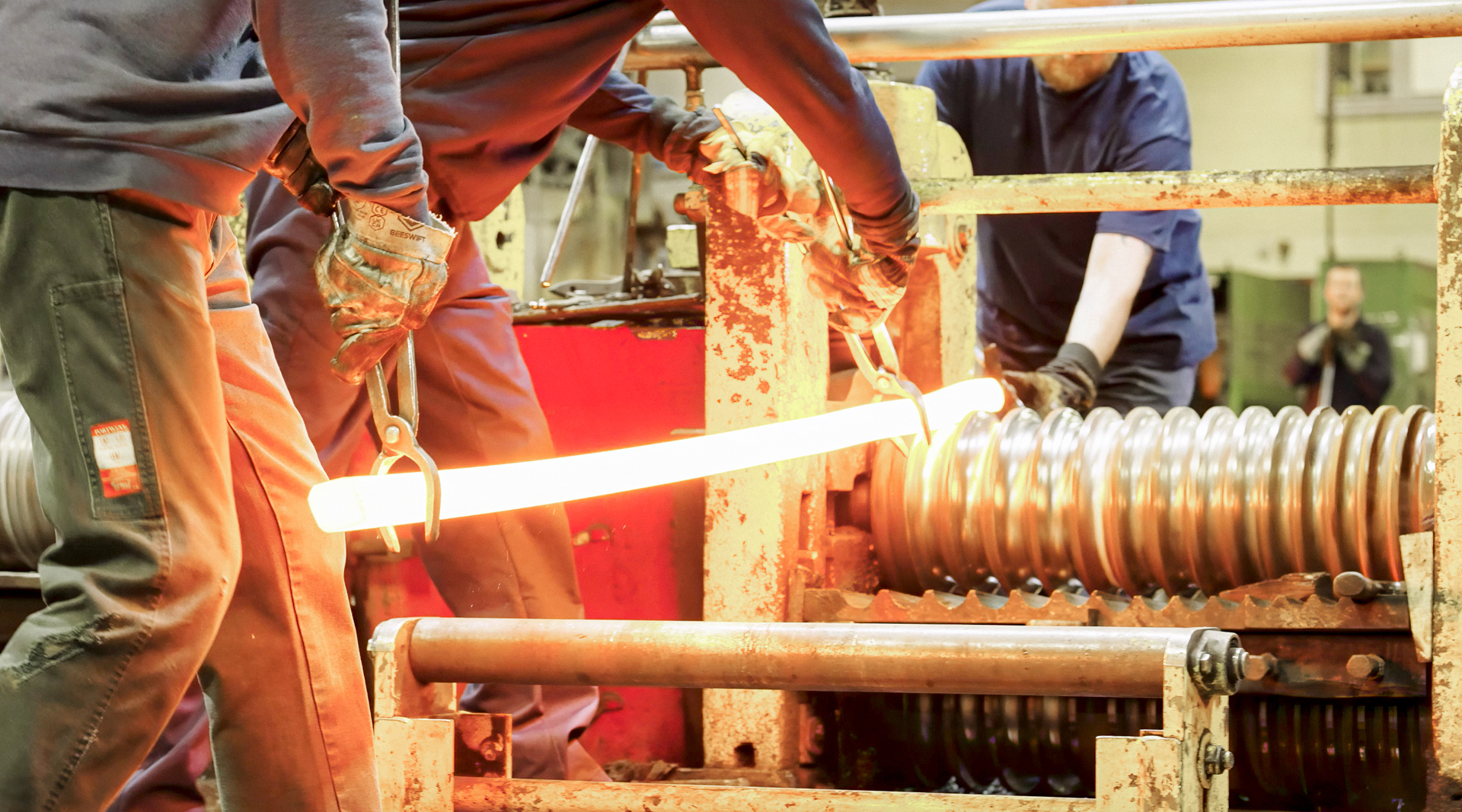
Manufacturers often have far more capability than one video can show. The strongest approach is to select processes that support the central message and provide visual variety. Wide views can establish the scale of a facility, medium shots can show people interacting with equipment, and close details can reveal precision, finishes and quality checks.
It is also useful to think from a customer’s perspective. Which stage would build confidence? Which capability is difficult to explain in a proposal? Which part of the operation differentiates the company from competitors? These questions help turn a general shot list into a focused visual story.
Prepare people without over-scripting them
Engineers, operators and project managers add credibility because they understand the work first-hand. Contributors should know the subject of an interview and the broad questions in advance, but they rarely need to memorise a script. Natural explanations tend to sound more confident and trustworthy.
Scheduling interviews away from the noisiest machinery improves sound quality and reduces retakes. If that is not possible, the production crew can plan suitable microphones and identify quieter periods. A few minutes of preparation can make contributors feel comfortable and keep the interview concise.
Plan safety and access before cameras arrive
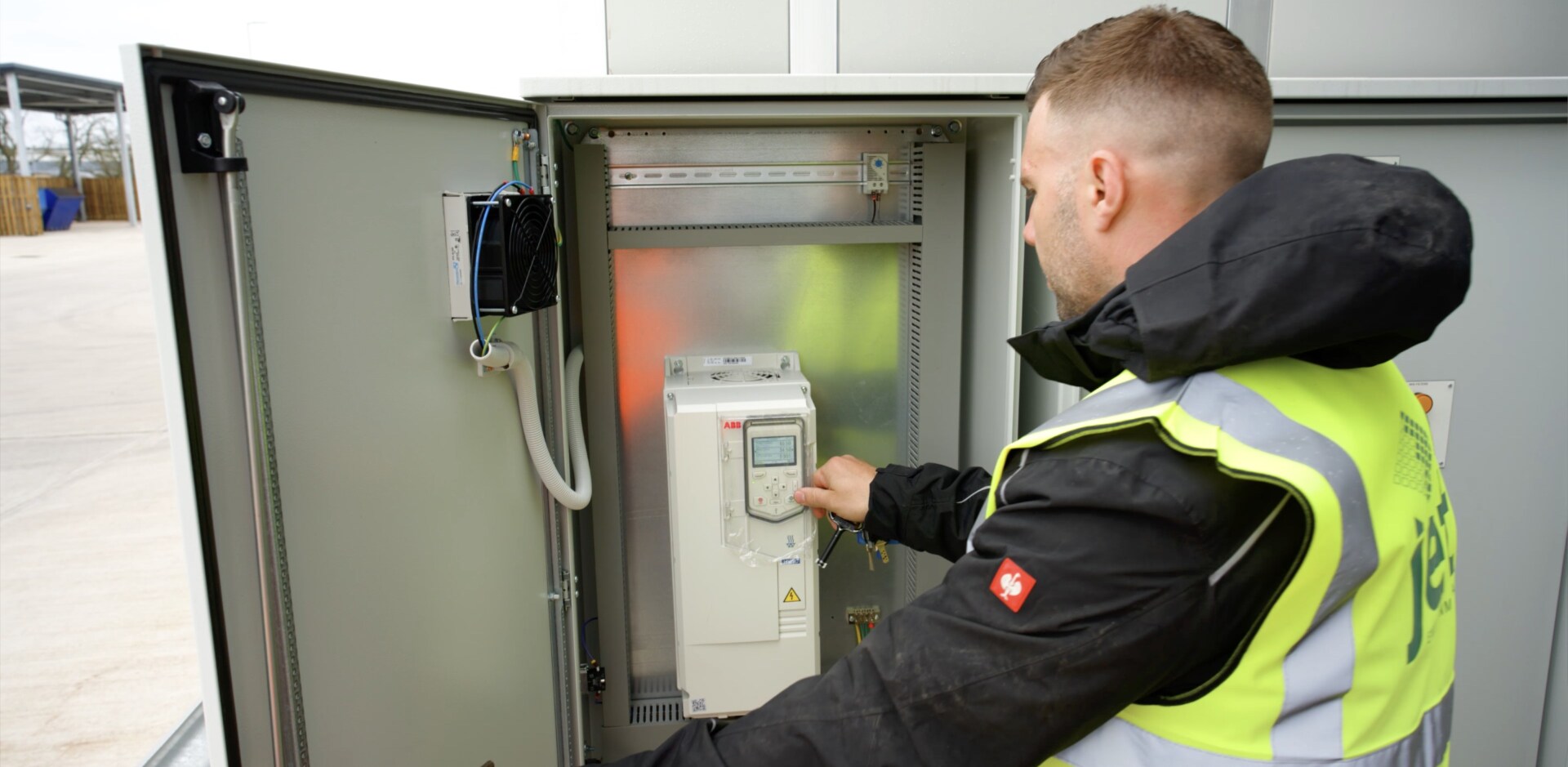
Every industrial site has its own rules, and a visiting film crew should be treated like any other contractor. Inductions, PPE requirements, restricted zones and emergency procedures need to be confirmed in advance. The crew should also understand which areas require an escort and where equipment can be placed safely.
Cables, tripods and lighting stands must never interfere with walkways or vehicle routes. A compact setup is often the best choice in busy facilities. When everyone understands the access plan, filming can move quickly without creating uncertainty for production teams.
Protect confidential and customer-sensitive information
Factories may contain customer names, production data, drawings, screens or unreleased products that should not appear on camera. A short confidentiality review before filming helps identify sensitive areas and establishes what can be shown.
During the edit, technical and operational reviewers can check the footage again. This protects commercial information while avoiding unnecessary restrictions on the filming day. It also reassures customers and employees that the final film represents the business responsibly.
Make the environment work visually
Industrial locations can include mixed lighting, reflective metal, deep shadows and high noise levels. A site walk or detailed pre-production call helps the crew anticipate these conditions. Small lighting adjustments, carefully chosen camera positions and appropriate lenses can make the facility look polished without interrupting work.
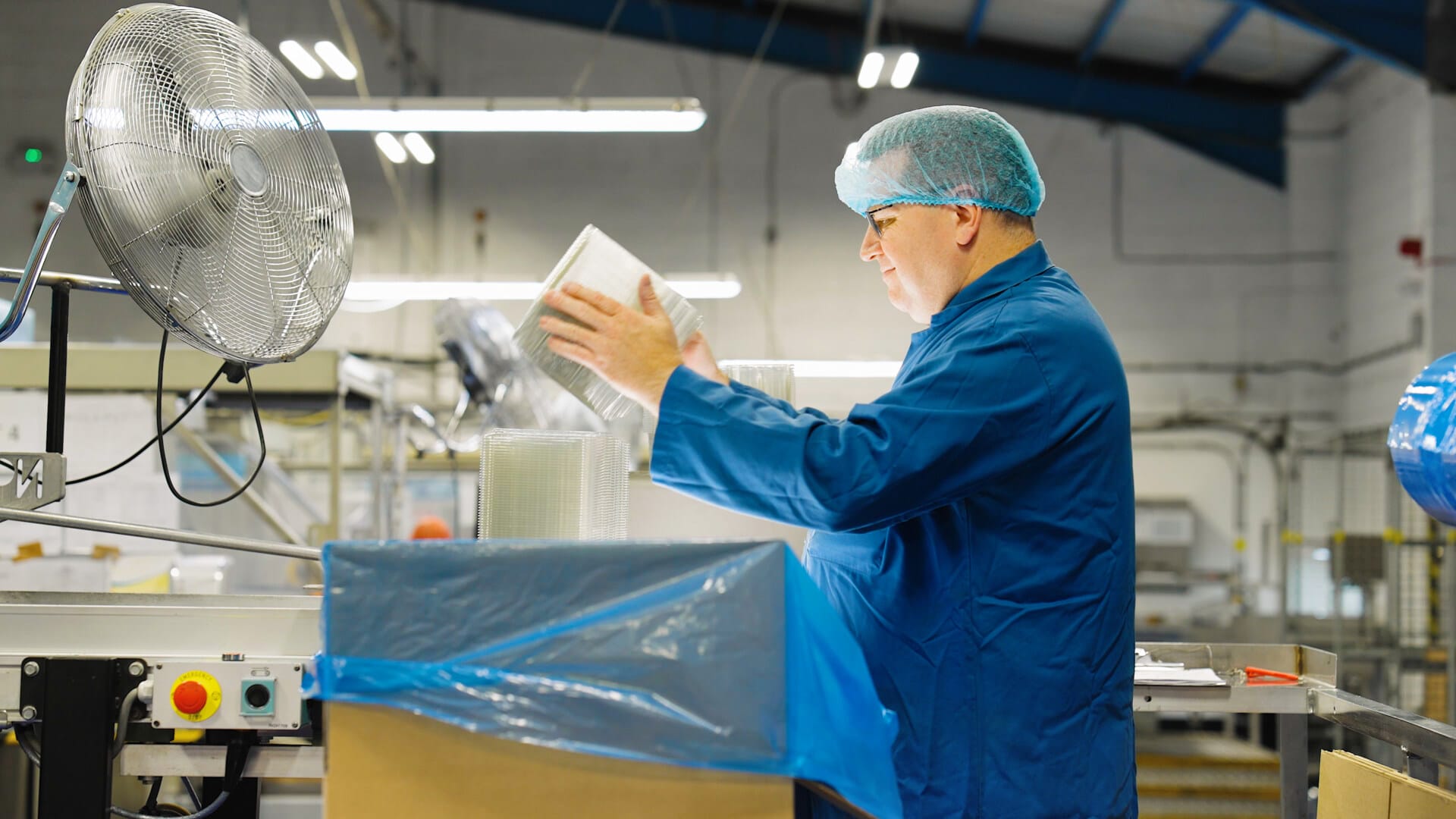
Cleanliness and presentation matter too. The goal is not to create an unrealistic factory, but to remove avoidable distractions. Clearing packaging, checking branded clothing and confirming that key areas are ready can noticeably improve the footage.
Capture enough content for multiple uses
A well-planned manufacturing video shoot can produce more than one main film. Short process clips, interview excerpts, vertical social edits and still photographs can support sales, recruitment, exhibitions and regular online communication.
These additional outputs should be identified before filming so the crew can frame shots appropriately and capture sufficient variations. Planning for reuse improves value without significantly extending the production day.
Keep communication simple on the day
One site contact should coordinate access, timing and operational questions. This avoids conflicting instructions and gives the crew a clear route for resolving changes. Short check-ins throughout the day help confirm that essential scenes have been captured before departments or processes become unavailable.
Flexibility remains important. Production priorities can change, and an experienced industrial crew should be able to adjust the sequence of filming without losing sight of the final story.
A good plan keeps production moving
Manufacturing video production does not need to stop the factory. When the purpose, schedule, people, safety requirements and sensitive areas are agreed in advance, filming can fit naturally around the working day.
The result is better for everyone: operations continue, contributors know what to expect and the production team captures footage that clearly communicates capability. Careful preparation turns a potentially disruptive exercise into an efficient investment in sales and marketing content.