Technical risk is often obvious to the people who work with a process every day, but much harder for a prospective customer, procurement team or new employee to picture. A written specification can describe controls and tolerances, yet it may not show how decisions are made when conditions change. A carefully planned manufacturing video can make that invisible expertise easier to see without turning a complex operation into a shallow sales message.
Start with the risk the viewer needs to understand
The strongest film does not try to explain every stage of a factory at once. It begins with one practical question: what could go wrong, and what does your team do to prevent it? That might involve material traceability, contamination control, dimensional accuracy, safe handling or continuity of supply. Defining this audience question first gives the production a useful spine and helps the editor decide which actions deserve time on screen.
It also keeps the film grounded in evidence. Instead of relying on broad claims about quality, show the inspection, measurement, sign-off or handover that makes the claim credible. This approach builds naturally on the principles behind showing quality control in a manufacturing video, while leaving room for the people responsible to explain why each control matters.
Film the moments where judgement is visible
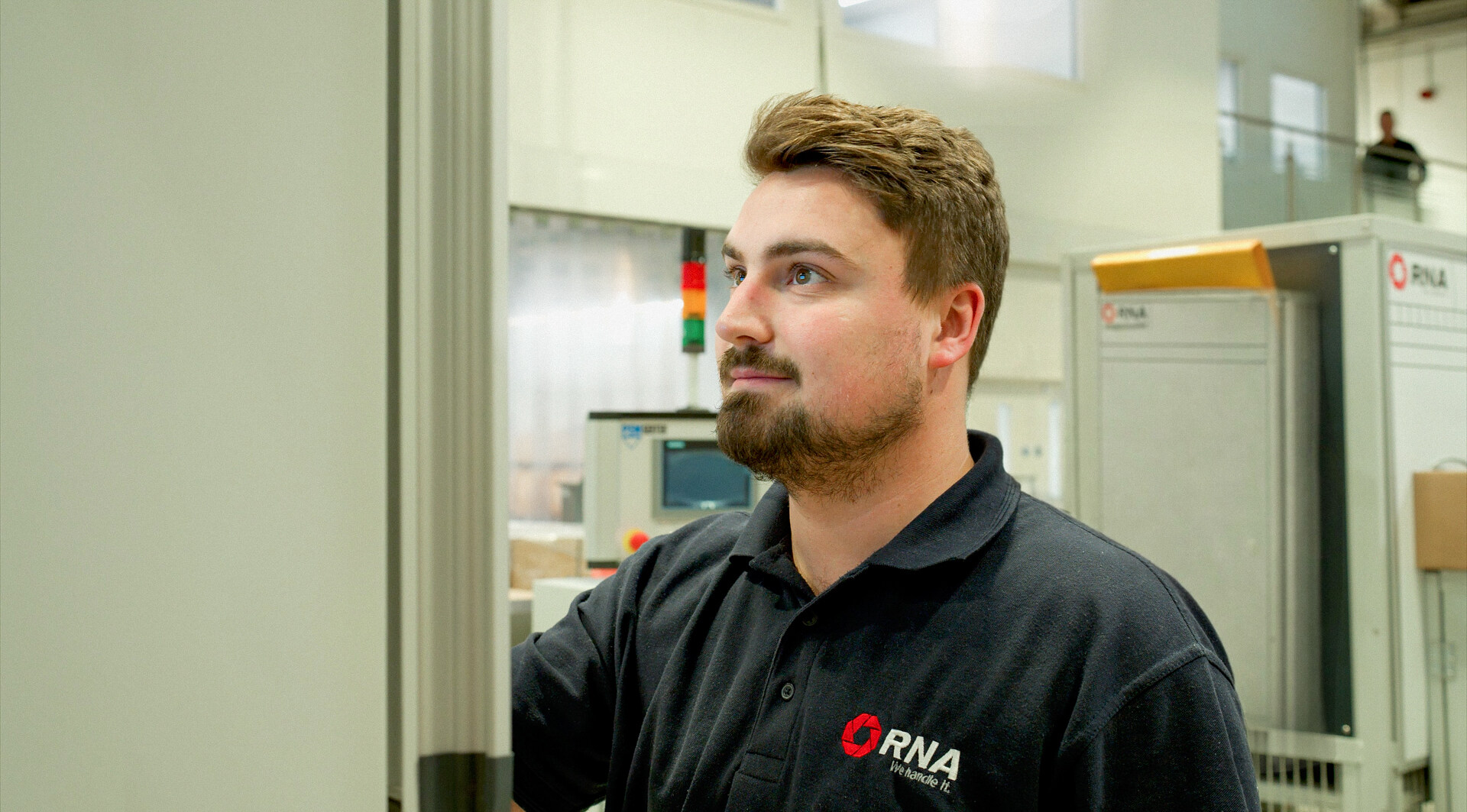
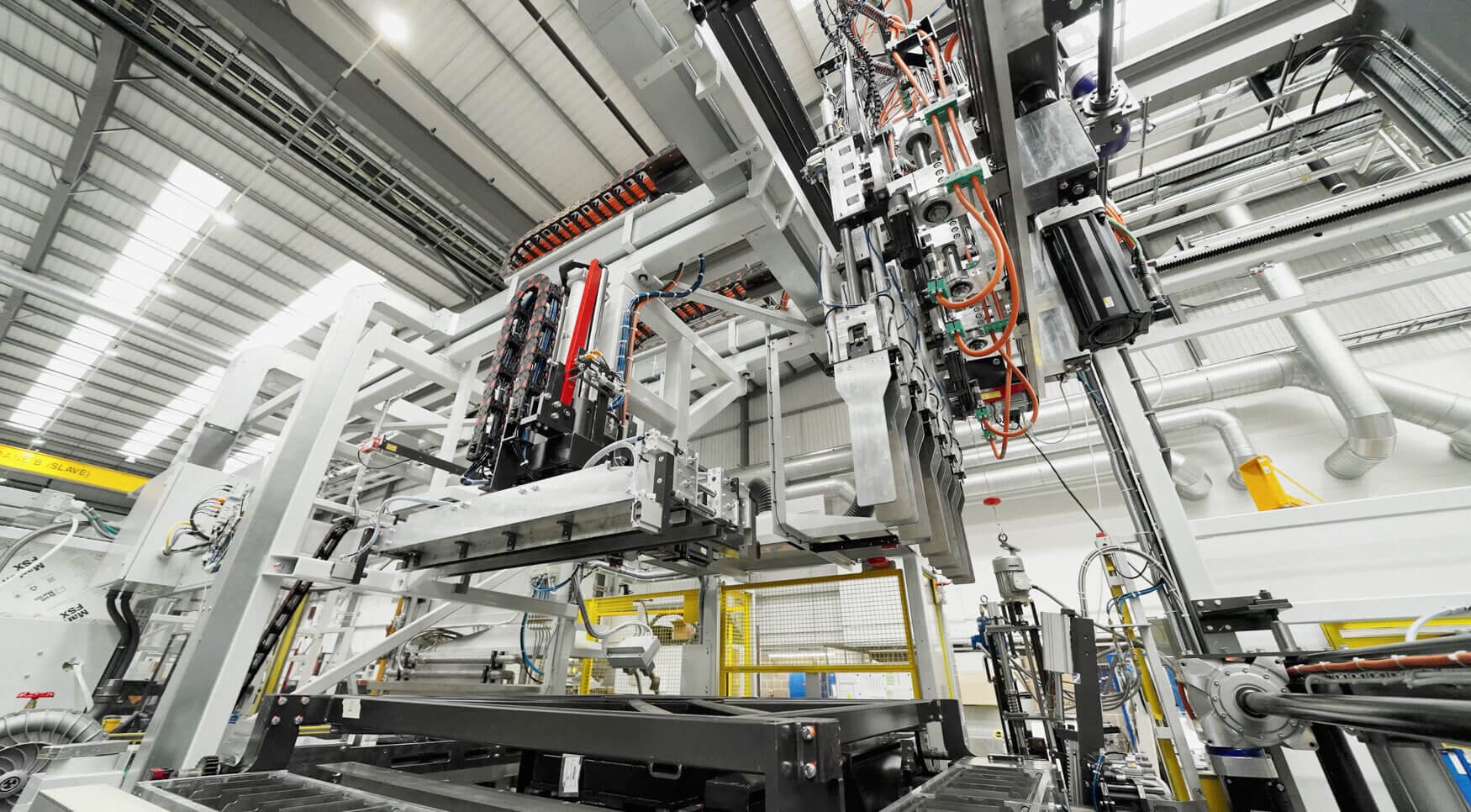
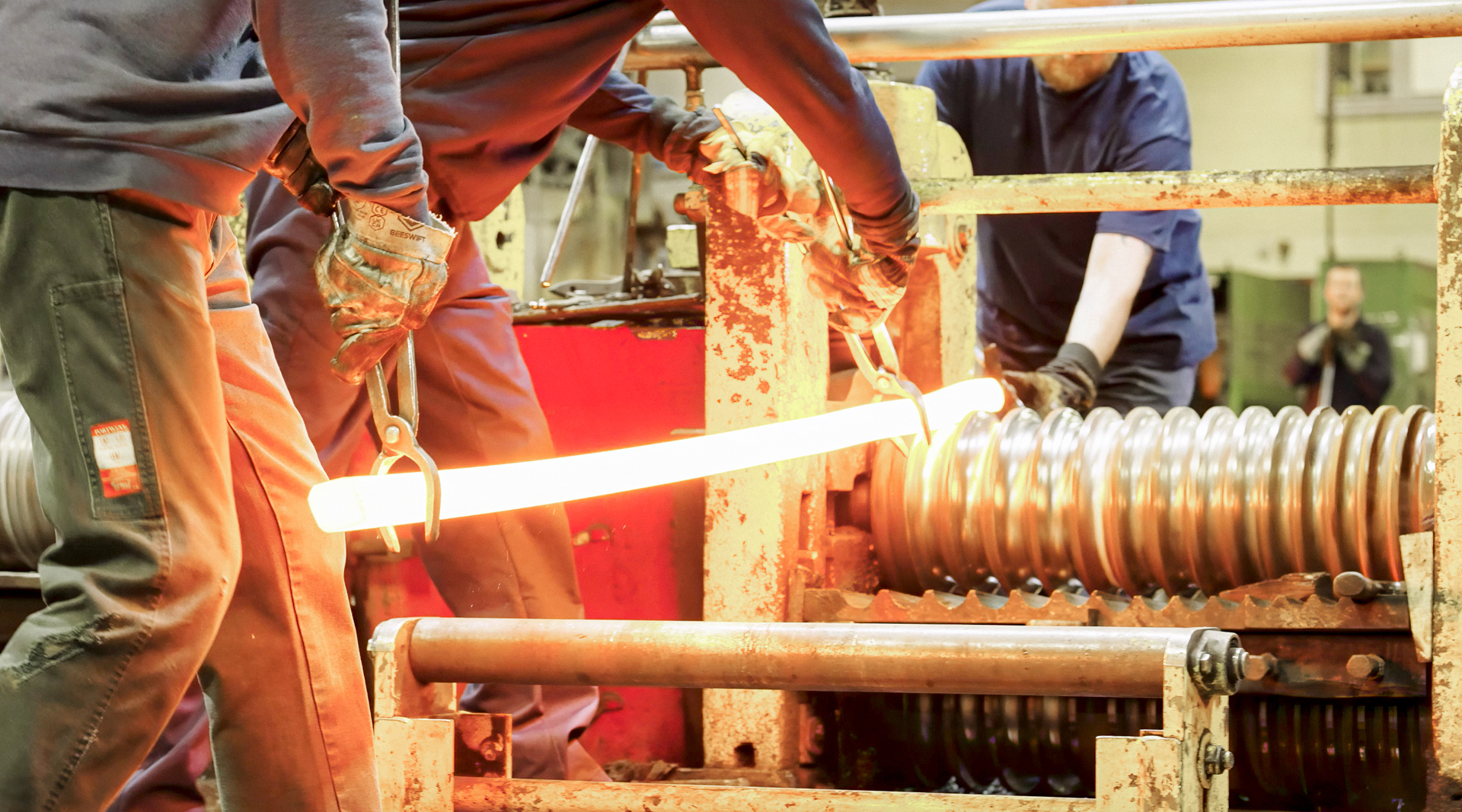
Technical risk is rarely communicated by a machine running at full speed. It becomes understandable when viewers can see a technician checking a reading, an operator making a controlled adjustment, or an engineer reviewing information before the next step begins. These small moments reveal the discipline behind the output. Use a mixture of wider shots to establish context and close detail to show the physical evidence of care.
Interviews should support those pictures rather than repeat them. Ask contributors to explain what they look for, what would trigger a pause and how their experience helps them make a safe decision. A calm, precise answer from the person who owns the process often carries more weight than a scripted voiceover. Planning the questions around real customer concerns can help, as explored in using customer questions to structure a manufacturing video.
Make complex information legible without oversimplifying it
Graphics are useful when they clarify a relationship that the camera cannot capture, such as the path of a component, the stages of a validation process or the difference between an accepted and rejected result. Keep labels short, use consistent terminology and introduce graphics at the moment they answer a question raised by the footage. The viewer should always know whether they are looking at a real process, a diagram or a data point.
Sound design matters here too. Clean speech, restrained music and authentic production sounds can create a sense of control, while excessive effects may make a serious subject feel theatrical. Captions and a strong visual rhythm also help the film work in presentations, on product pages and in social feeds where viewers may watch without sound.
Connect the technical story to business confidence
Once the process is clear, explain what the controls mean for the customer: dependable repeatability, fewer surprises during installation, a clearer audit trail or confidence that the team can respond when requirements change. This is the bridge between technical detail and commercial value. It should be specific enough to be meaningful, but never promise an outcome the footage cannot support.
A single shoot can provide several versions of the same message: a concise overview for a first conversation, a detailed cut for technical buyers and short extracts for recruitment or LinkedIn. The planning principles in turning one factory shoot into a year of video content are especially useful when the original production needs to serve more than one audience.
A practical checklist before filming
Confirm the primary risk, the audience and the proof you will capture before the crew arrives. Identify the people who can explain the decisions behind the process, agree which areas require additional safety planning and check that sensitive information will not appear in the background. Then build a shot list around cause and effect: what enters the process, what is checked, what decision follows and what reliable result leaves the factory.
When a manufacturing video follows that structure, it does more than show impressive equipment. It gives viewers a clear way to understand how risk is managed, why the work is dependable and where the organisation’s expertise sits. That clarity can shorten conversations, support procurement and help the right customers recognise the value of doing things properly.