In a manufacturing business, a process can be documented in procedures, work instructions and spreadsheets, yet still feel surprisingly difficult to explain. People may understand their own part of the operation while missing how decisions, checks and handovers connect across the wider flow. A well-planned manufacturing video can make that ownership visible without flattening the detail that makes the process work.
The aim is not to film a generic tour of the factory. It is to show who is responsible for each stage, what good control looks like and where information passes from one team to another. That gives the finished film practical value for customers, new colleagues, suppliers and internal improvement work.
Start with the decisions behind the process
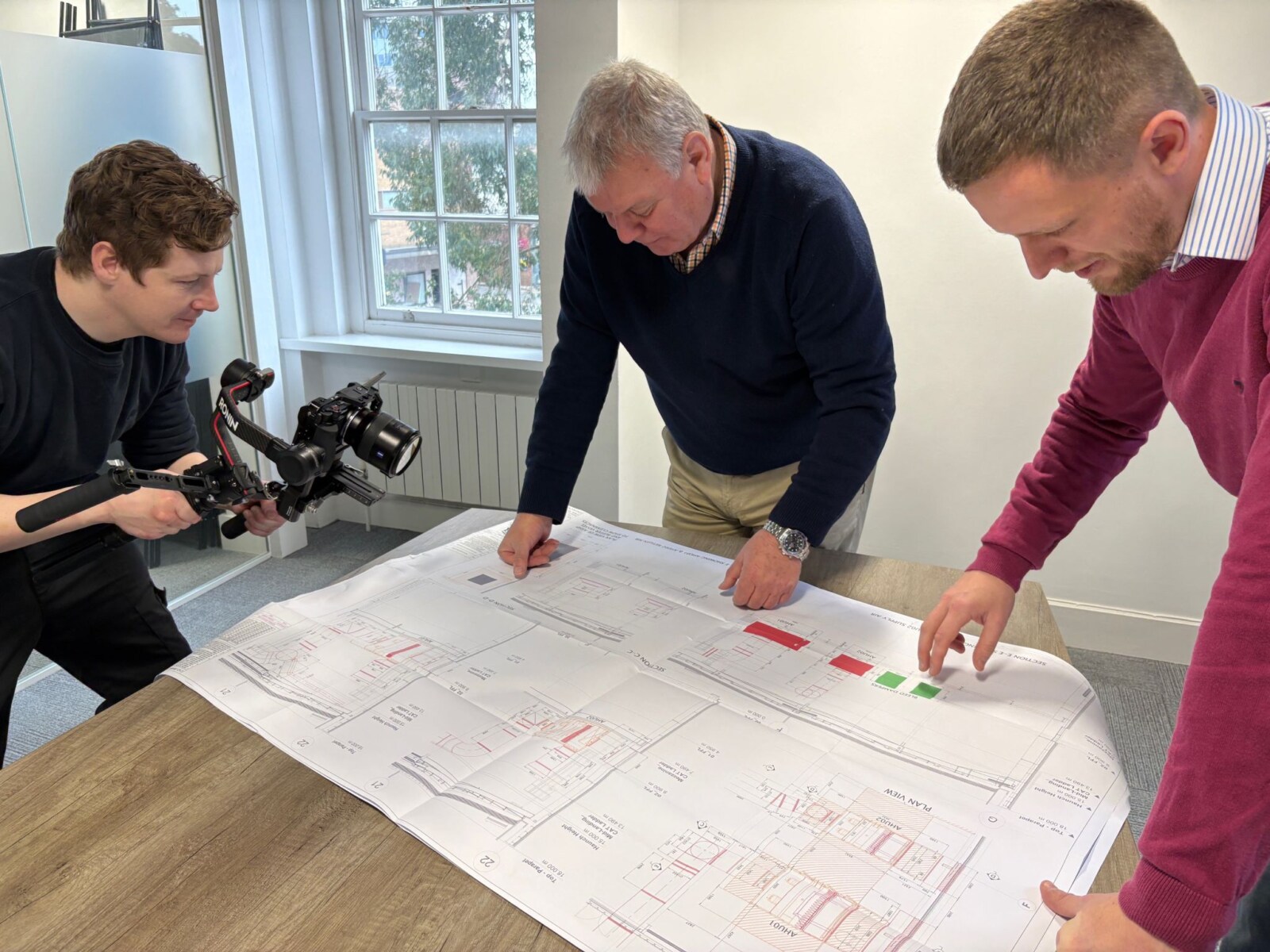
Before a camera is planned, map the decisions that keep production moving. Identify where materials are accepted, where quality is checked, who releases work to the next stage and which signals trigger a change in priority. These moments are often more revealing than a sequence of machines running, because they show the judgement and accountability behind the output.
Interviews should support that map rather than repeat it. Ask supervisors and operators what they look for, what information they need and what can go wrong if a handover is incomplete. That approach creates a useful human thread while keeping the focus on the process itself. It also connects naturally with clear shift handover communication, where small gaps in context can have a disproportionate effect.
Show ownership at the point of work
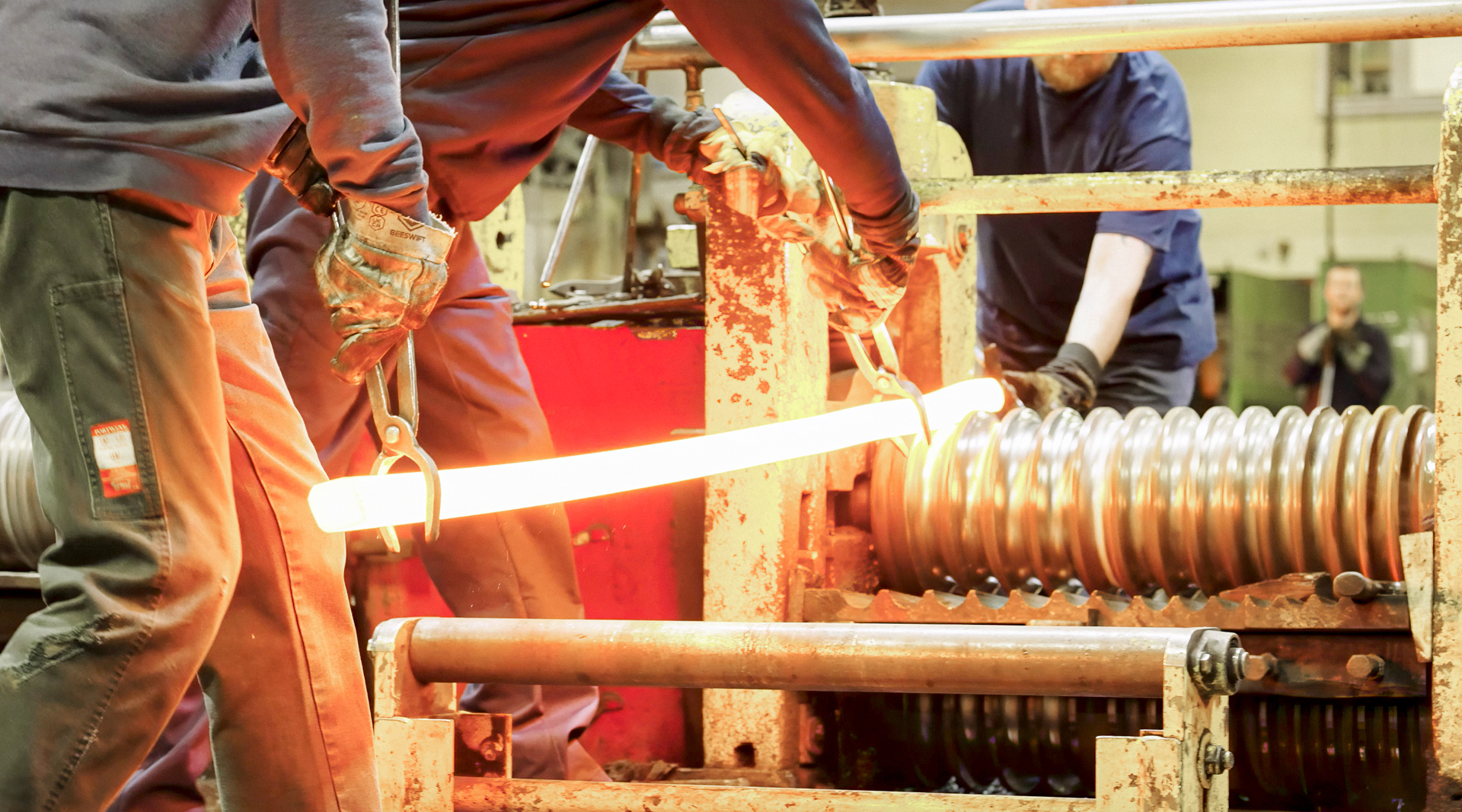
Film people where their responsibility is exercised: at the inspection station, beside the planning board, during a setup check or at the point where a batch is released. Capture the actions, signals and records that make the responsibility concrete. Close details of labels, gauges, screens and sign-off points can give viewers a better understanding than a wide shot of the whole department.
It is important to agree what can be shown before the shoot. Protect confidential information, remove unnecessary customer data from screens and establish safe filming positions around equipment. A realistic sequence is valuable only when it respects the working environment and does not interrupt production.
Connect departments without losing the detail
Ownership becomes clearer when the edit makes connections explicit. A short graphic can identify the next team, while a cutaway can show the document, sample or measurement that travels with the work. Used sparingly, these devices help a viewer follow the chain from order or specification to finished product.
Keep the language precise and let contributors explain the terms they use every day. On-screen captions can define specialist vocabulary, but they should clarify rather than decorate. The same principle applies when a film needs to explain a technical risk in plain language: viewers need to see what changes, who responds and why the response matters.
Build a film people can use after publication
A process-ownership film should have a clear primary version, then be planned for practical reuse. Short extracts can support induction, supplier briefings or sales conversations, while the full edit can provide a dependable introduction to the operation. Create a simple transcript and keep a record of the people, areas and stages shown so future updates are easier to scope.
Review the edit with representatives from each stage before it goes live. Ask whether the sequence reflects the real responsibility, whether any handover is implied incorrectly and whether a new viewer would know where to look for clarification. This review can also reveal opportunities to make continuous improvement work more visible without turning the film into an internal report.
When a manufacturing video shows decisions, responsibilities and connections at the point of work, it becomes more than a polished introduction. It becomes a shared reference for how the operation is understood and how its people contribute to reliable results.