Production changeovers can reveal some of the most valuable parts of a manufacturing operation. They show flexibility, planning, operator skill and the controls used to move safely from one product or specification to another. They can also be difficult to film because the window is short and the team carrying out the work has a real production objective to meet.
A useful video therefore needs more than a request to “capture the changeover.” It requires a shared plan for timing, access, responsibilities and the specific evidence the audience should see. With that preparation, the crew can document the process without slowing it down or turning it into an artificial demonstration.
Define what the changeover proves
Start by deciding why the sequence belongs in the film. It might demonstrate fast response to customer demand, disciplined cleaning, tooling expertise, traceability or the ability to manufacture several product variants. That purpose determines which stages deserve attention.
If speed is the message, the story may focus on coordination and preparation. If quality is central, checks and approvals may matter more than elapsed time. A clear purpose prevents the crew from recording a long procedure without knowing which moments will carry the final edit.
Map the sequence with the production team
Ask the people who perform and supervise the changeover to describe the process in order. Identify what happens before a machine stops, which tasks can occur together, what must be verified and when production restarts. Mark any restricted actions or information that should not be filmed.
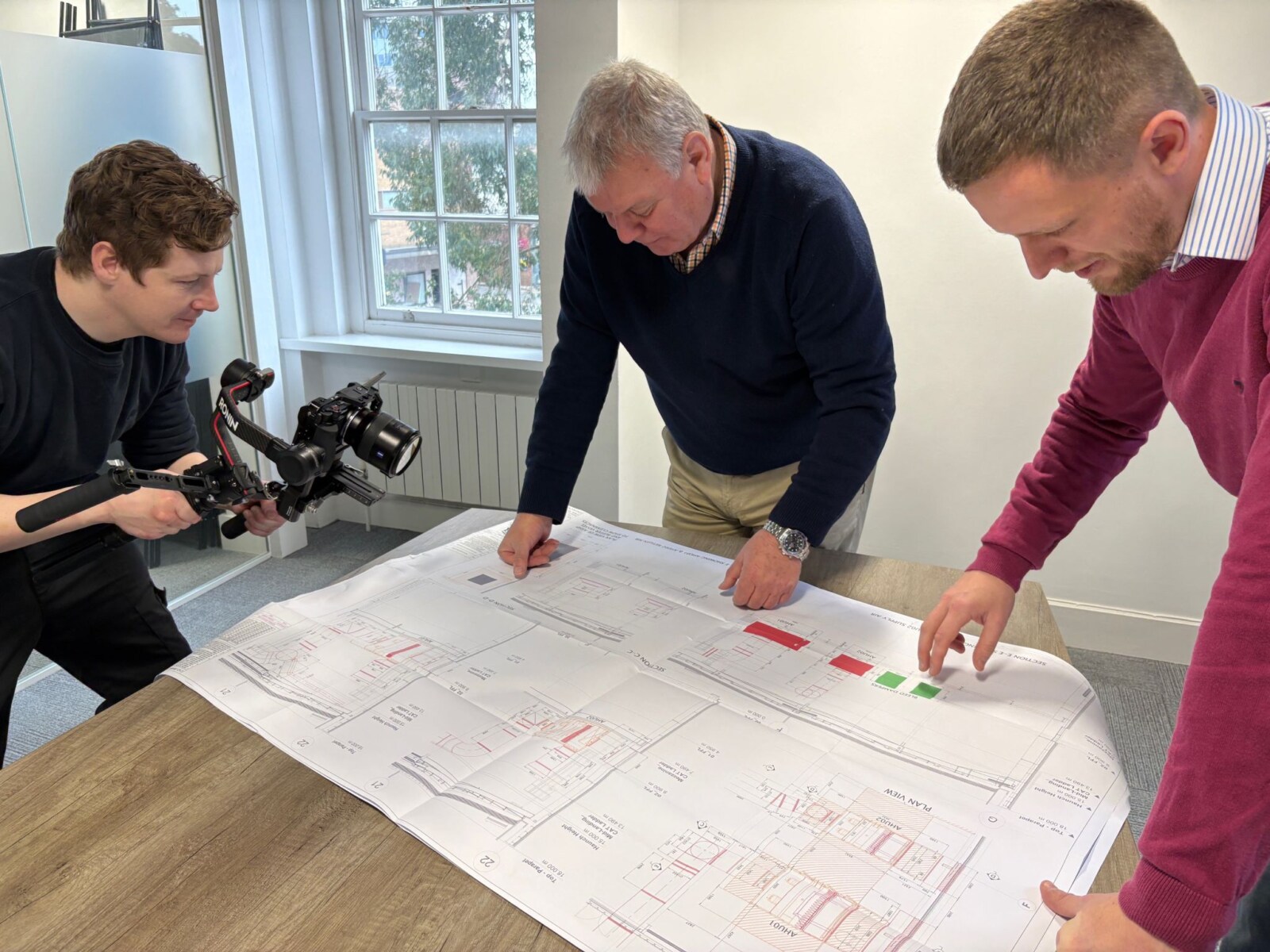
This conversation is most useful on location. A detailed factory recce lets the crew see the available camera positions, lighting conditions and routes around the equipment. It also reveals where a tripod, light or operator could obstruct the real workflow.
Prepare coverage before the window opens
A changeover may not wait for a camera adjustment. Set the main camera positions, lenses and exposure in advance, and agree which person will cover each stage. A locked wide shot can protect the complete sequence while a second camera collects medium views and details.
Prepare a concise shot list that follows the operational order. Include the starting state, component or tooling removal, cleaning or preparation, installation, settings, inspection and restart where relevant. The list should support the crew, not become another demand on the manufacturing team.
Capture context as well as close detail
Close-ups of hands, tools and controls are valuable, but they can make the process difficult to understand when used alone. Establish the machine, working area and people involved before moving into detail. This allows the viewer to see how individual actions fit into the wider operation.
Film important moments from more than one distance when time and safety allow. A wide frame shows coordination, a medium view explains responsibility, and a close frame supplies evidence. This balance helps the edit communicate both the scale of the facility and the precision of the work.
Do not ask operators to compromise the procedure
The production team’s normal rules take priority over the film. Operators should not repeat a hazardous movement, remove protective equipment or pause in an awkward position for the camera. If a vital detail cannot be captured safely during the live changeover, arrange an approved demonstration later or explain it another way.
A small, predictable crew makes this easier. Agree where people may stand, keep cables and cases clear, and nominate one site contact who can halt filming if conditions change. These principles support the broader discipline of filming safety-critical manufacturing work responsibly.
Record the checks that make the result credible
The most persuasive part of a changeover is often what happens before production is released. Capture the confirmation of settings, first-off inspection, test run, line clearance or sign-off that applies to the process. These moments show that flexibility is controlled rather than improvised.
Avoid presenting a screen or gauge without explaining its relevance. Pair the detail with an operator or engineer describing what is being confirmed and why. For audiences concerned with compliance and consistency, this is stronger than a general statement about standards. It also connects naturally with established ways of showing quality control on camera.
Use interviews to clarify what the footage cannot
A supervisor can explain how the changeover is scheduled, how long it typically takes and which risks are managed. An operator can describe the judgement involved in tooling or setup. Keep questions specific and ask for real examples rather than broad promotional phrases.
Record interviews away from the active changeover if noise or access makes clear sound difficult. The answers can be combined with process footage in the edit, giving the viewer both an understandable explanation and visual proof.
Build an edit that respects real time
Most viewers do not need to watch the entire procedure, but the edited sequence should preserve its logic. Use clear transitions and avoid rearranging steps in a way that suggests an incorrect method. On-screen labels or simple graphics can help when several checks happen quickly.
Time-lapse may communicate duration, while normal-speed details reveal skill and care. The right mix depends on the original purpose of the film. If a claim about changeover time is included, make sure it is accurate, qualified where necessary and approved by the business.
Turn a brief event into useful evidence
A well-filmed changeover can communicate responsiveness, technical competence and process control in a compact sequence. The key is to design the shoot around the real operation: understand the stages, prepare coverage early, protect the production team’s priorities and capture the checks that validate the result.
When the filming plan respects the work, the footage feels authentic. Viewers do not just see equipment being changed; they understand how the manufacturer manages complexity and prepares confidently for the next production run.