A strong manufacturing video starts long before the camera is switched on. The questions asked in interviews determine whether the finished film feels like a polished advert or a useful, believable explanation of how a company works. The best questions invite specific answers about decisions, constraints and outcomes rather than rehearsed descriptions of products.
Start with the viewer’s unanswered questions
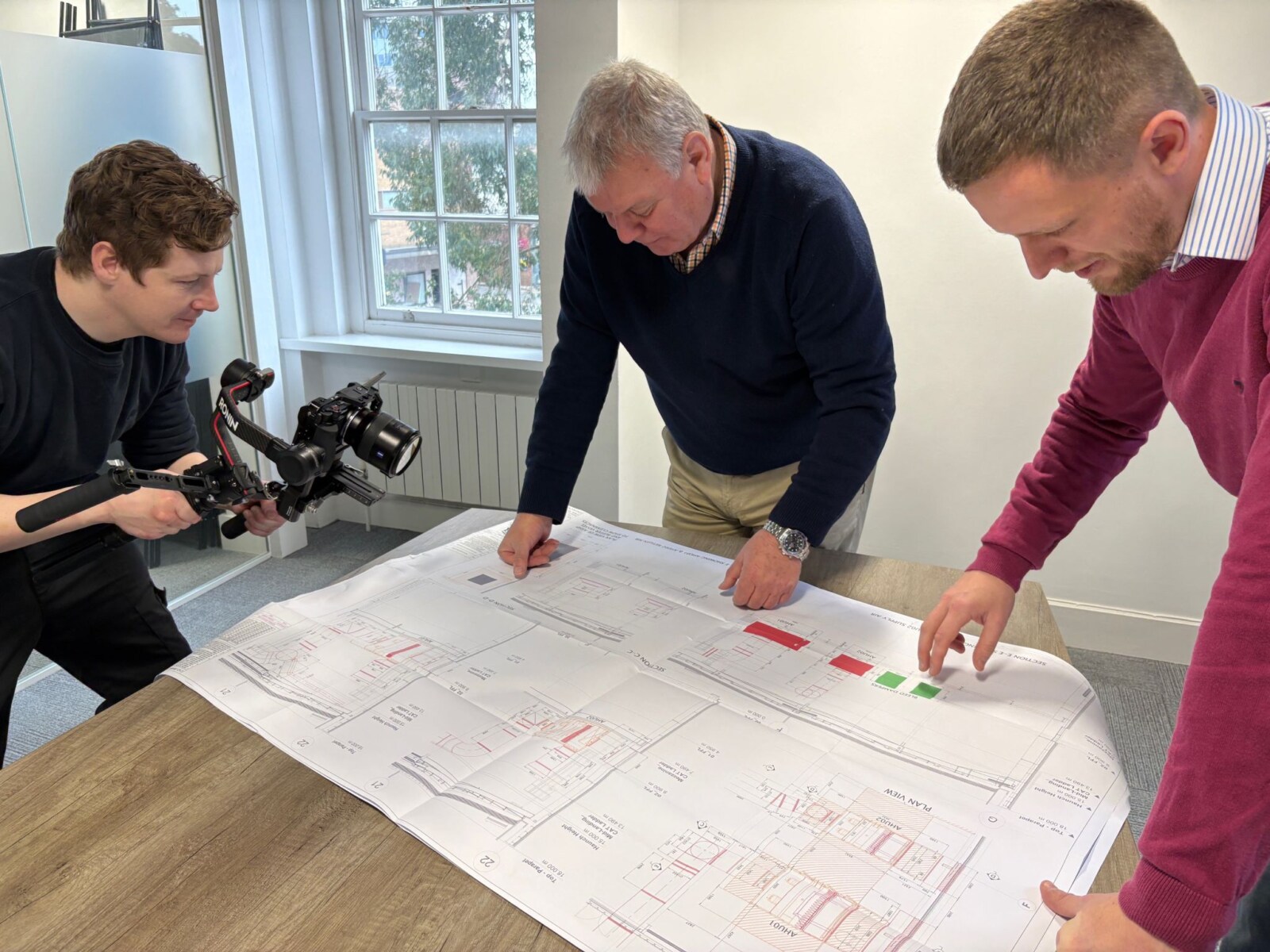
Before writing an interview plan, list what a prospective customer, supplier or future employee is likely to wonder. They may want to know how a specification becomes a finished component, how consistency is maintained, or what happens when a project changes halfway through production. Turning those concerns into plain-language questions gives the interview a clear purpose and keeps the conversation focused on evidence.
That preparation should connect with the wider structure of the film. A useful customer-question framework can help turn a long list of possible topics into a concise narrative that answers the right things in the right order.
Ask for decisions, not descriptions
Generic prompts such as “Tell us about your company” often produce broad claims that are difficult to illustrate. More productive questions ask why a process is designed in a particular way, what a team checks at a critical stage, or how an engineer responds when a result falls outside tolerance. These prompts reveal judgement, expertise and working culture while giving the editor useful cutaways to support the answer.
Follow-up questions are just as important. When someone mentions a challenge, ask what changed, who was involved and how the result was measured. A short answer about reducing waste becomes much more credible when it includes the practical action taken and the outcome that followed.
Make technical expertise understandable
Interviewees should be encouraged to use the language they use every day, but the crew also needs to protect the audience from unnecessary jargon. Ask contributors to explain specialist terms through a consequence: what the specification changes, what a machine detects, or why a particular material matters. This keeps the content accurate without turning the film into a lecture.
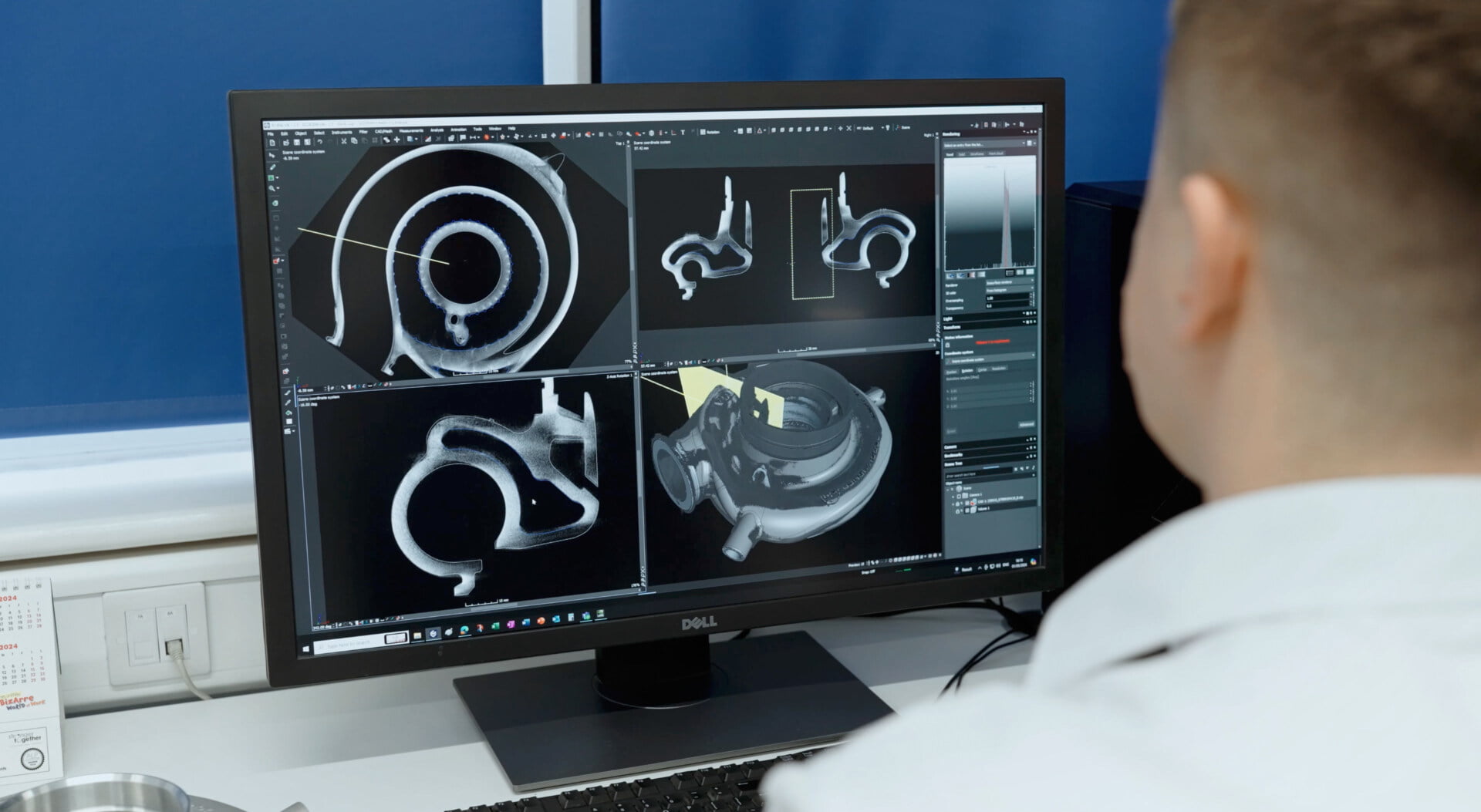
Visual planning helps here. If an answer mentions inspection, tooling or automation, note the exact shot that could make the explanation tangible. Thoughtful on-screen graphics for manufacturing processes can add context where the camera cannot show a measurement, sequence or comparison clearly.
Bring out the people behind the process
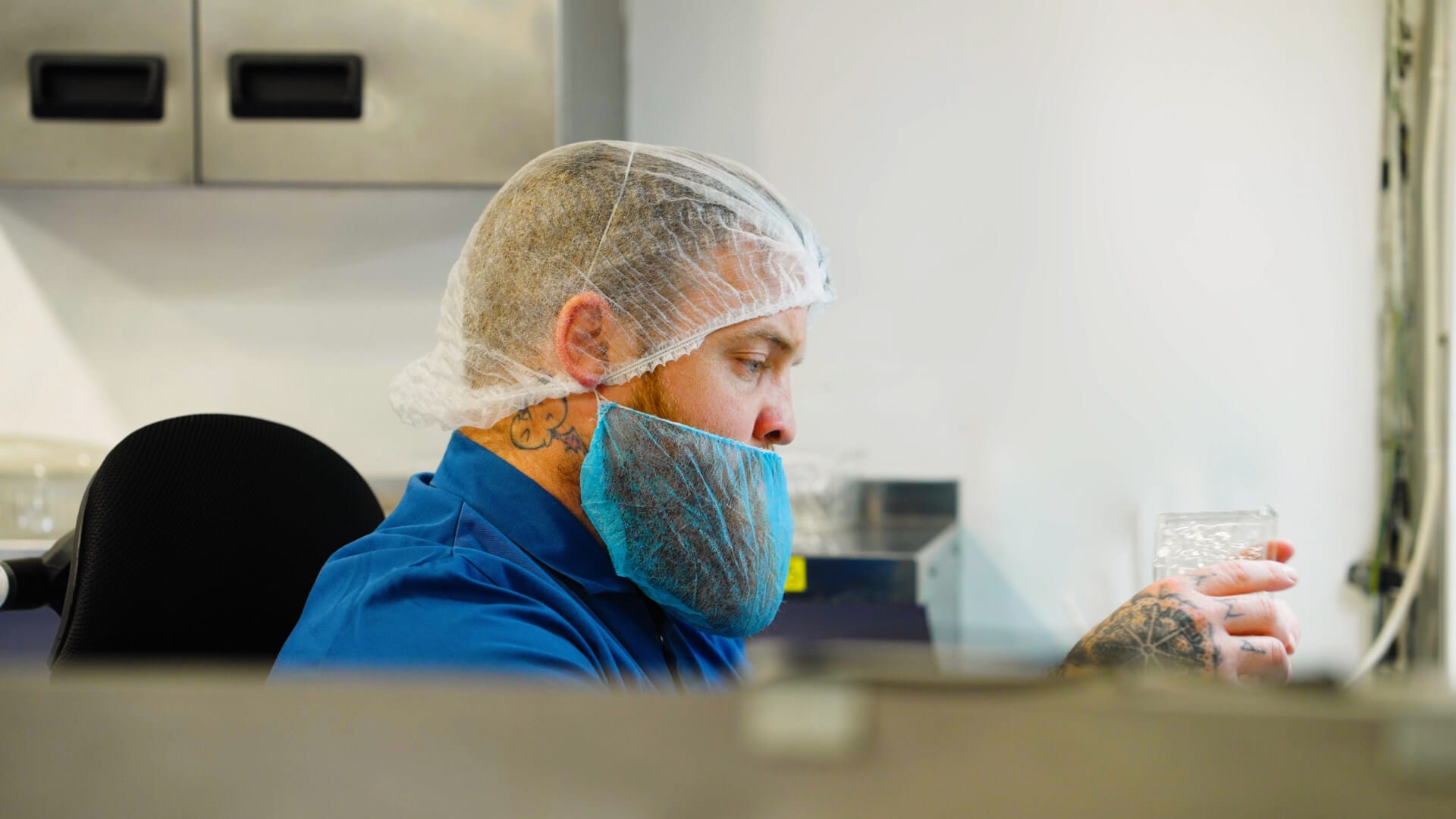
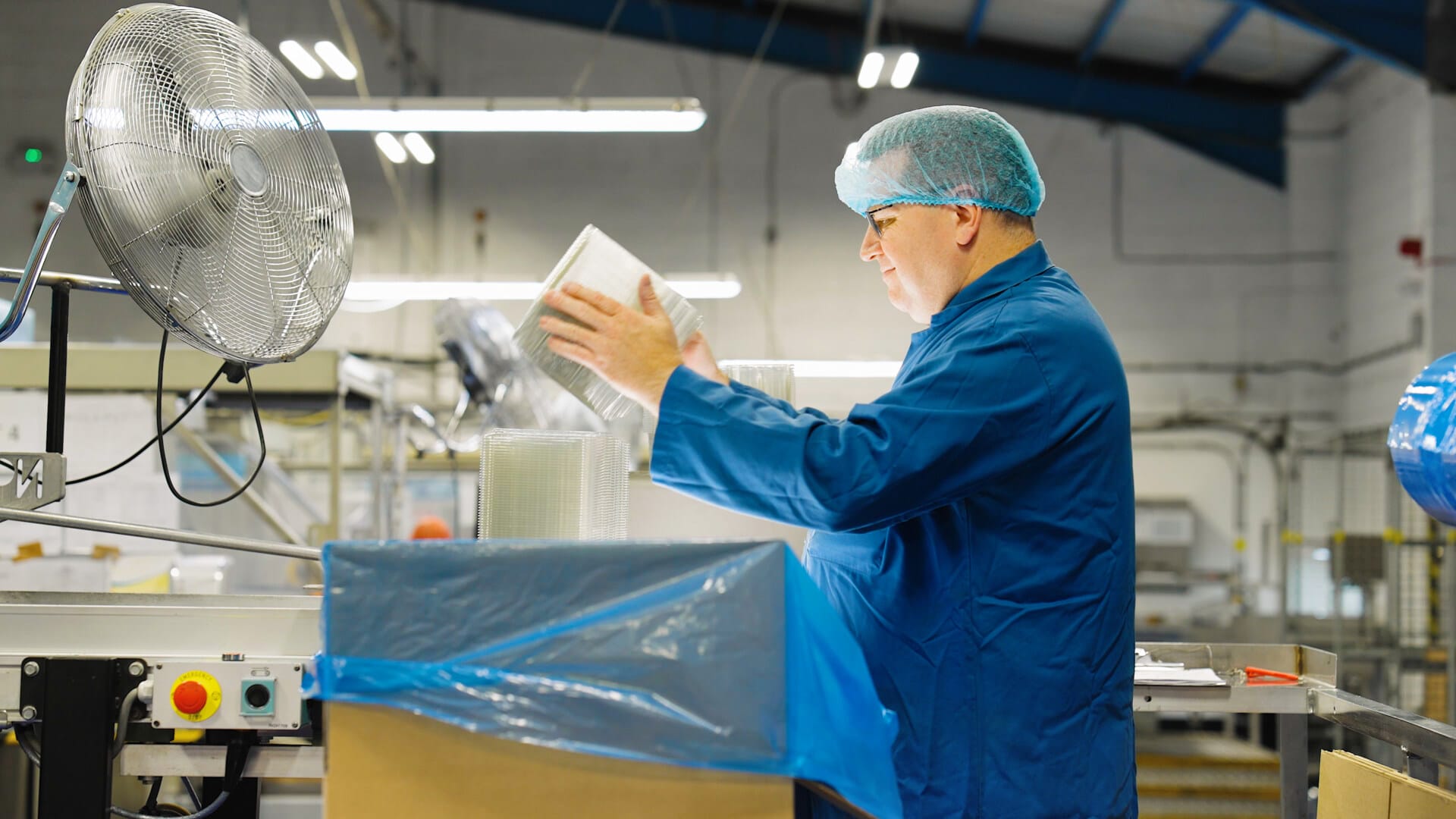
Manufacturing stories become more memorable when they show how people think and collaborate. Ask operators what they look for at the start of a shift, technicians how they solve recurring problems, and managers how they balance delivery with quality. These questions create space for genuine observations instead of asking contributors to perform a corporate message.
Choose contributors who represent different points in the workflow, and give them a short briefing rather than a script. A calm conversation beside the relevant equipment will usually produce more useful material than a formal answer delivered to camera. Guidance on choosing people to feature in a manufacturing video is helpful when a project involves several departments or sites.
Finish with proof and a clear next step
The final questions should help the viewer understand what the company can do next. Ask what a successful project looks like, how a new customer gets started, and what information is needed before a useful conversation can happen. Avoid forcing a slogan; a specific invitation is more persuasive and gives the film a natural ending.
Review the question plan with the production team and the client before the shoot. Mark which answers need supporting footage, which details require approval, and where a second take may be useful. With that preparation, the interview becomes the spine of the film, while the factory floor supplies the evidence that makes every answer feel real.