Manufacturing businesses rarely succeed in isolation. Reliable suppliers, specialist partners and distribution networks all contribute to the finished product, yet those relationships can be difficult to explain to prospective customers. A well-planned manufacturing video can make the wider operation visible, showing how expertise, communication and shared standards support consistent results.
The strongest films do more than introduce a company. They give viewers a practical sense of how work moves through the organisation, where responsibilities sit and why collaboration matters. That clarity can reassure procurement teams, support business development and help existing partners understand the value they bring to the end customer.
Show the relationship through the work
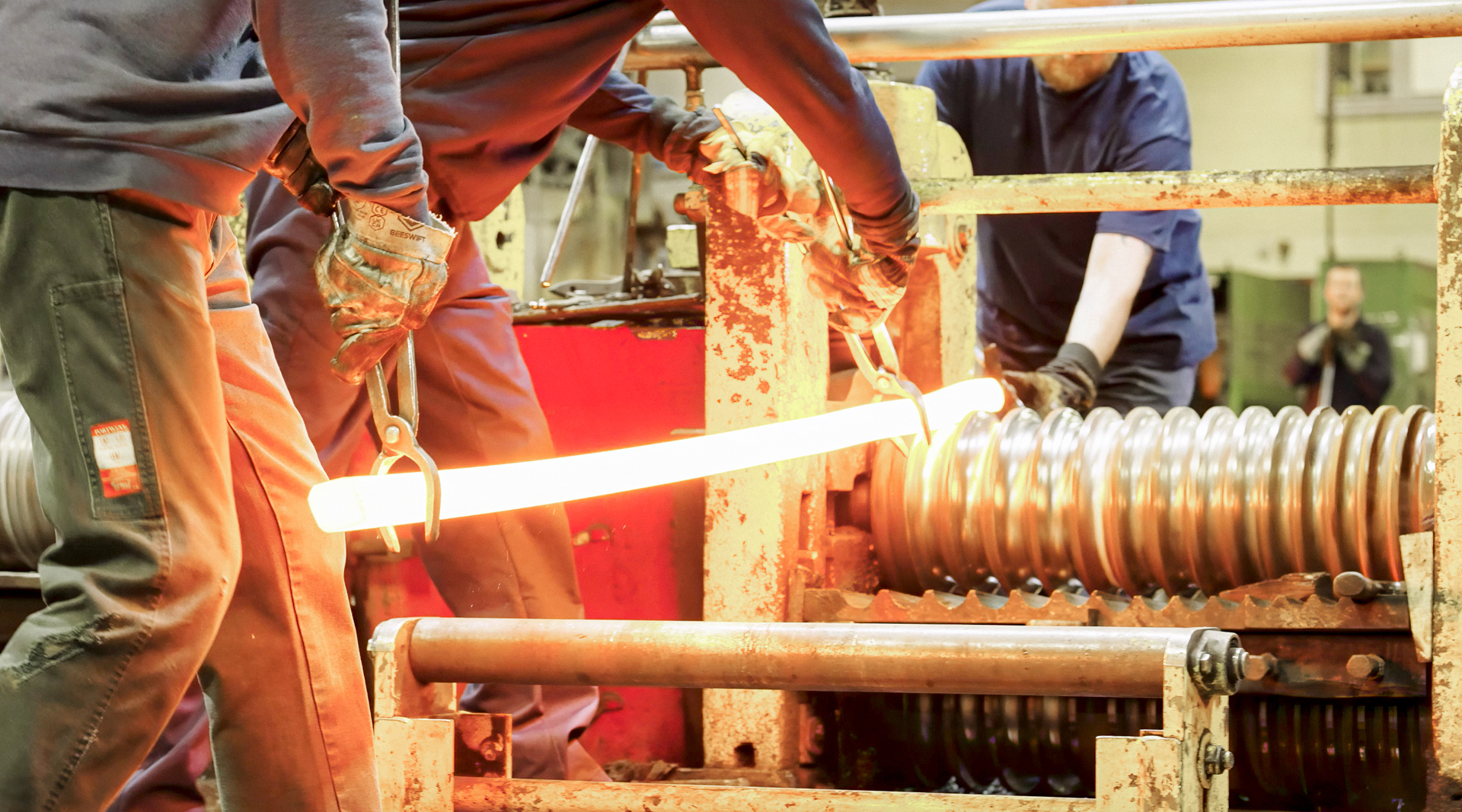
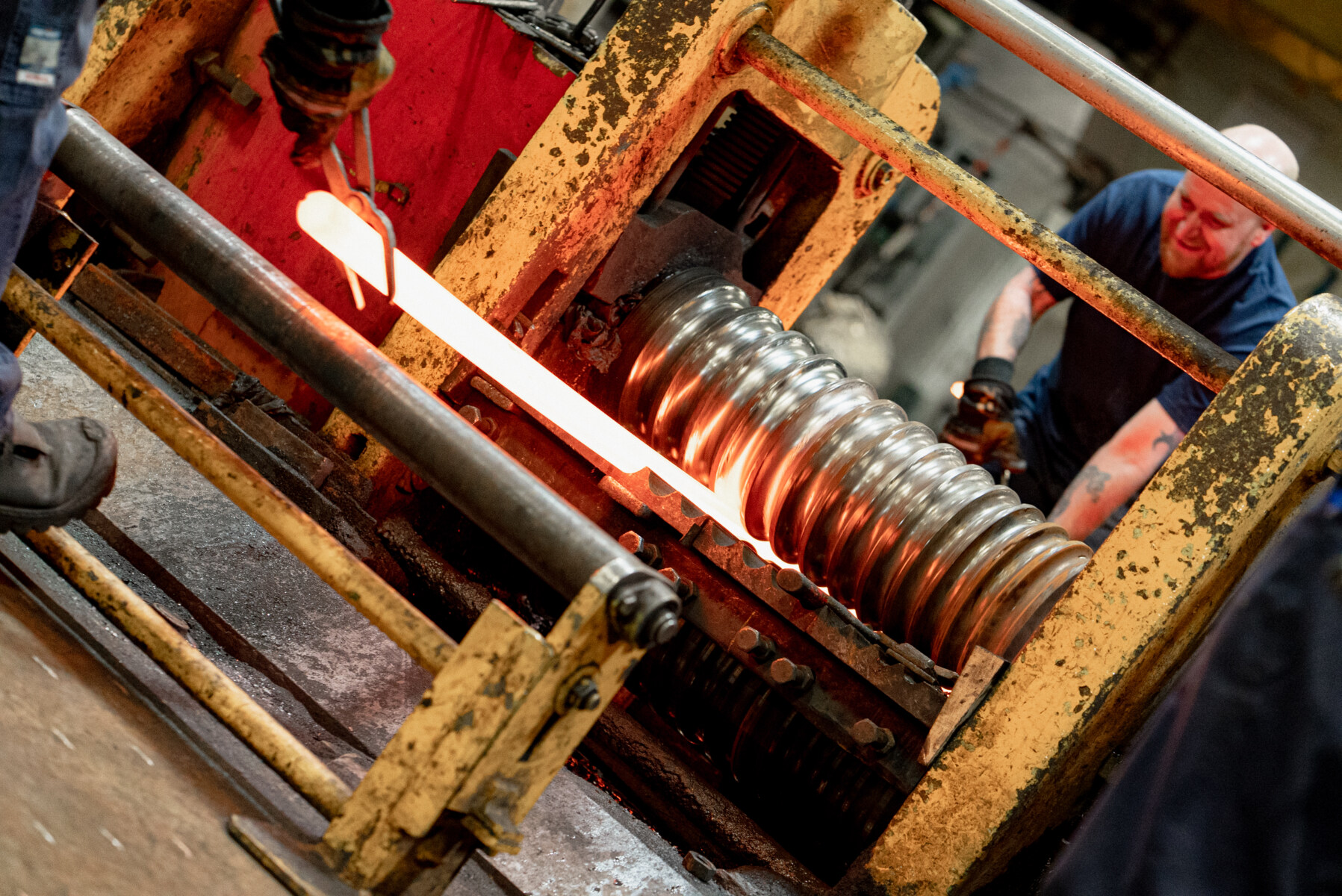
Start with a real workflow rather than a sequence of posed interviews. Follow a component, material or technical decision from one stage to the next, showing the handovers between your team and its partners. A short explanation from a production manager can establish the purpose, while close detail of documentation, inspection or assembly makes the relationship tangible.
This approach is especially useful when a manufacturing process involves specialist capabilities that are not available in-house. The film can explain what each partner contributes without turning the story into a list of company names. Viewers see how planning, technical knowledge and dependable communication combine to protect quality.
Make coordination easy to understand
Supplier relationships are often judged by what happens when plans change. Use the film to show how teams respond to revised specifications, production constraints or a delivery deadline. Clear examples of review meetings, technical drawings, sample approvals and production updates can communicate maturity more effectively than broad claims about being collaborative.
If a site has several stages or locations, careful planning keeps the story coherent. A manufacturing video planned around production changeovers can capture authentic coordination while respecting the realities of a working factory. It also helps the crew identify the moments where a partner’s contribution is most visible.
Build confidence with useful detail
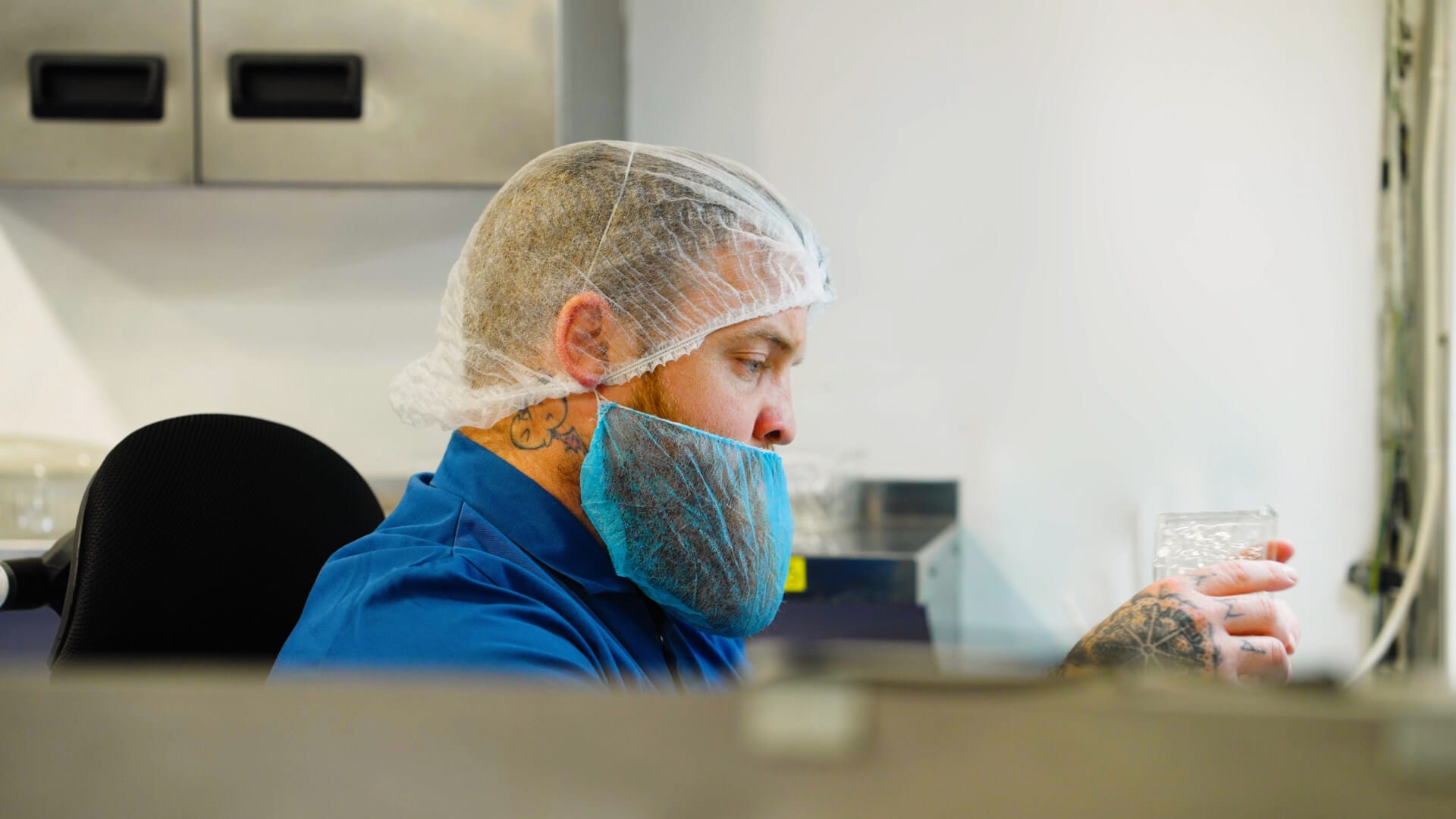
Credibility comes from the details that a knowledgeable viewer notices. Include the language your customers and partners actually use, but explain specialist terms when they affect the audience’s understanding. Show the checks, tolerances, approvals and records that support the finished product, taking care not to reveal confidential information.
Technical risk should be treated with the same care. A film that makes technical risk easier to understand can help partners see how decisions are made and where responsibilities are managed. This is valuable for new relationships because it turns an abstract promise of reliability into a visible process.
Give partners a role in the story
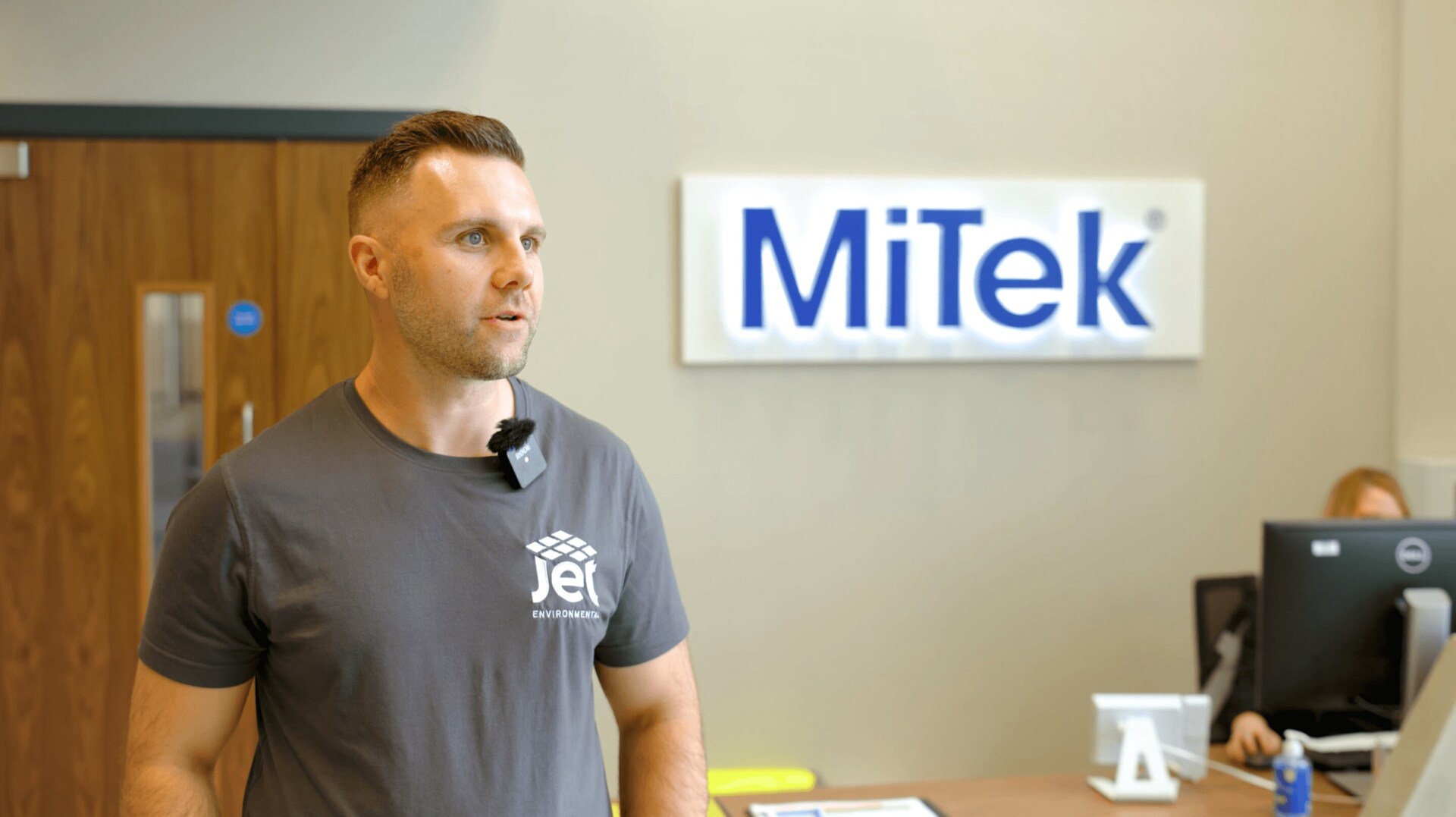
Where permissions allow, include a partner’s perspective. A concise contribution from a supplier, integrator or customer can explain what good collaboration looks like from outside your own business. Keep the questions focused on outcomes: what problem was solved, what improved and what makes the relationship dependable.
The finished video can then work across several stages of the commercial journey. It may introduce your capabilities on a website, support a tender presentation or provide a useful starting point for a technical conversation. In each setting, the film should make the viewer’s next question easier to answer. For a broader sales narrative, connect the collaboration story to using video across the sales journey.
Plan for long-term usefulness
Agree the central message before filming and identify which partner contributions will remain relevant over time. Capture adaptable footage of people, processes, equipment and quality checks so shorter edits can be created later without arranging another full shoot. Obtain the necessary permissions at the outset, particularly where branded materials, customer sites or proprietary processes appear on camera.
A manufacturing video that respects the real working relationship will feel more convincing than a generic corporate profile. By showing how people coordinate, solve problems and protect standards together, it gives customers and partners a clearer reason to trust the operation.