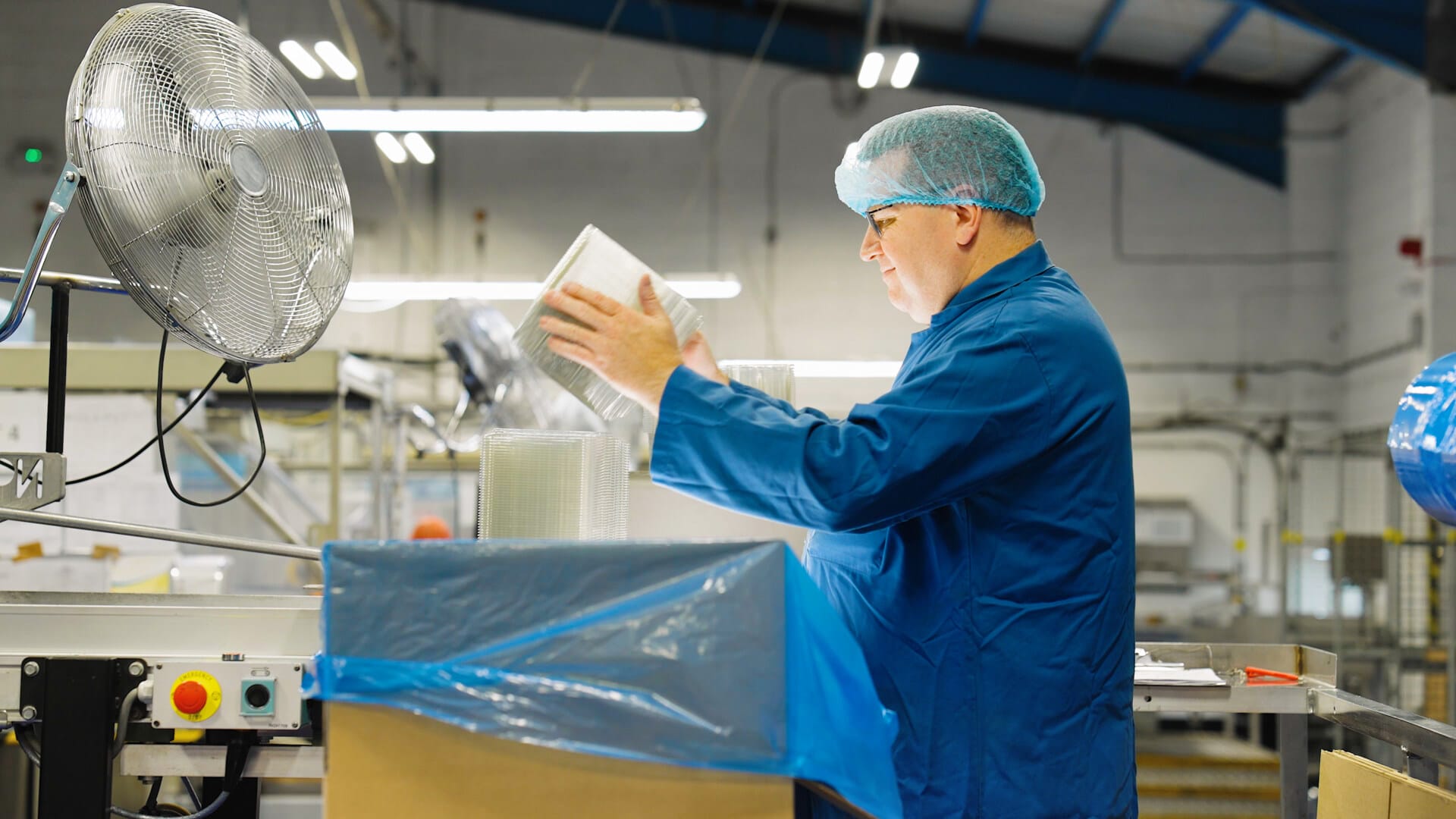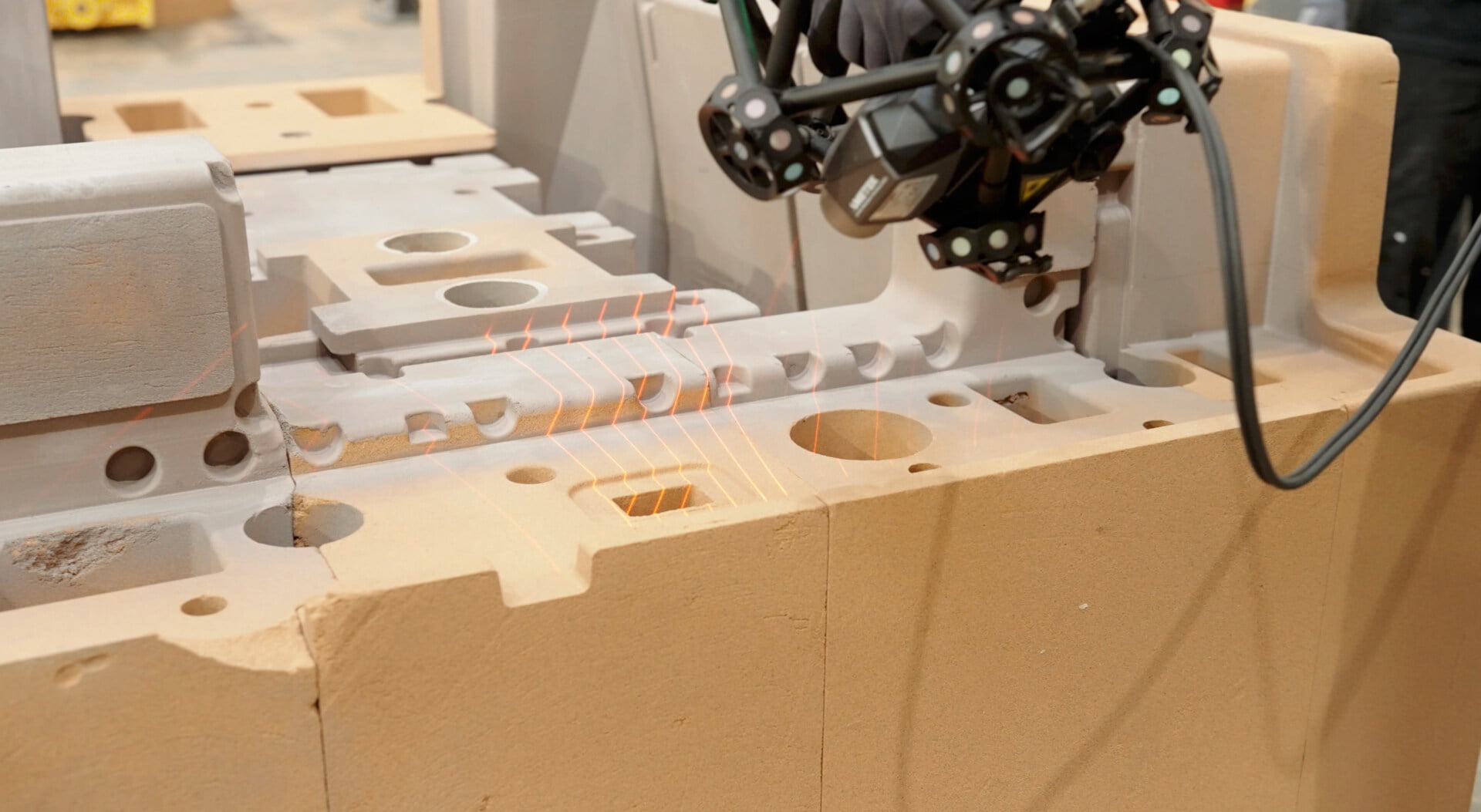
Continuous improvement is often discussed in terms of lean methods, production data and formal improvement programmes. Those systems are essential, but they do not always make the work visible to everyone who needs to understand it. A well-planned manufacturing video can show how a change works on the factory floor, why it matters and what good practice looks like in a way that a spreadsheet or meeting cannot.
The strongest films are not simply records of machinery running. They connect a practical improvement to the people, decisions and measurable outcomes behind it. That makes video useful for internal communication, customer confidence, training and recruitment at the same time.
Make the improvement easy to see
A process change may be obvious to the team that introduced it but difficult for everyone else to picture. Video can establish the starting point, show the intervention and then demonstrate the new process in operation. The viewer sees the movement of materials, the role of operators and the points where quality or efficiency has improved.
This is particularly valuable when the change is spatial. A revised workstation layout, a safer handover point or a shorter route through a cell can be explained with a combination of wide shots, carefully chosen details and a concise voiceover. The film should guide attention rather than overwhelm the viewer with every available angle.
Build the story around evidence
Credibility comes from showing what changed and how the organisation knows it worked. Before filming, agree which evidence can be shared: reduced changeover time, fewer defects, improved traceability, lower material waste or a clearer safety control. The figures do not need to dominate the film, but they should give the story a firm centre.
Use the same discipline as you would when preparing a case study. An operator or improvement lead can explain the problem in plain language, while supporting footage shows the solution in context. A short comparison, a labelled sequence or a simple on-screen figure can make the result memorable without turning the film into a sales presentation.
For a broader approach to making technical information understandable, see turning complex industrial processes into clear manufacturing videos. The principle is the same: give the audience enough context to understand the decision, then let the real process provide the proof.
Give people a meaningful role
Continuous improvement is a human activity. The person who spotted a recurring issue, the technician who tested an adjustment and the operator who now uses the revised method can each add something different. Their contributions make the film feel grounded and help other teams recognise that improvement is part of everyday work, not an abstract management initiative.
Interviews work best when they are conversational and specific. Ask what was difficult before, what they changed and what they watch now. Avoid asking people to repeat a polished script. Natural answers usually contain the practical detail that makes an improvement believable, while a good interviewer can keep the explanation focused.
It is also worth considering who is not normally heard. Including a range of roles can support the employer brand and show prospective engineers or apprentices the standards, collaboration and problem-solving involved in the work. The approach complements using manufacturing video to attract skilled engineers and apprentices, because it reveals the culture behind the equipment.
Plan filming around production reality
Improvement films should be planned with the same respect for production controls as any other manufacturing video. A pre-shoot briefing can identify restricted areas, personal protective equipment, safe camera positions, clean-down times and moments when filming would create a distraction. The crew can then capture the process without asking operators to perform an unsafe or unnatural version of it.
Timing matters too. A process may look different at start-up, during a normal run and at changeover. If the improvement concerns one of those stages, schedule the shoot accordingly and allow enough time for the team to work normally. Good preparation is one reason a factory recce before a manufacturing video shoot is so valuable: it reveals the practical constraints before the cameras arrive.
Design the film for reuse
A single continuous-improvement story can serve more than one audience if it is captured and edited deliberately. The main film might support an internal briefing or customer visit, while shorter extracts can introduce a new standard, explain a safety point or show the company’s approach at a trade event. Capture clean interview answers, process details and room tone so the material remains flexible.
Keep the central message consistent across versions. Viewers should understand what problem existed, what was changed and what difference it made. When that structure is clear, the video becomes a practical record of progress rather than a one-off piece of content. It can help preserve knowledge, recognise the people involved and encourage the next improvement.
Manufacturing video is most useful when it respects the detail of real work. By combining observable process footage, credible voices and evidence of the result, it can turn continuous improvement into something people can see, discuss and apply.