Recruiting skilled people is a persistent challenge for manufacturers. Job adverts can list responsibilities and benefits, but they rarely communicate the scale of the equipment, the quality of the working environment or the pride people take in solving technical problems. Manufacturing video production can make those qualities visible.
A strong recruitment film gives potential applicants a realistic view of the business before they apply. It can introduce future colleagues, show the technology they would use and explain how training leads to long-term progression. The result is not simply greater reach, but better-informed candidates who understand the opportunity.
Show the working environment honestly
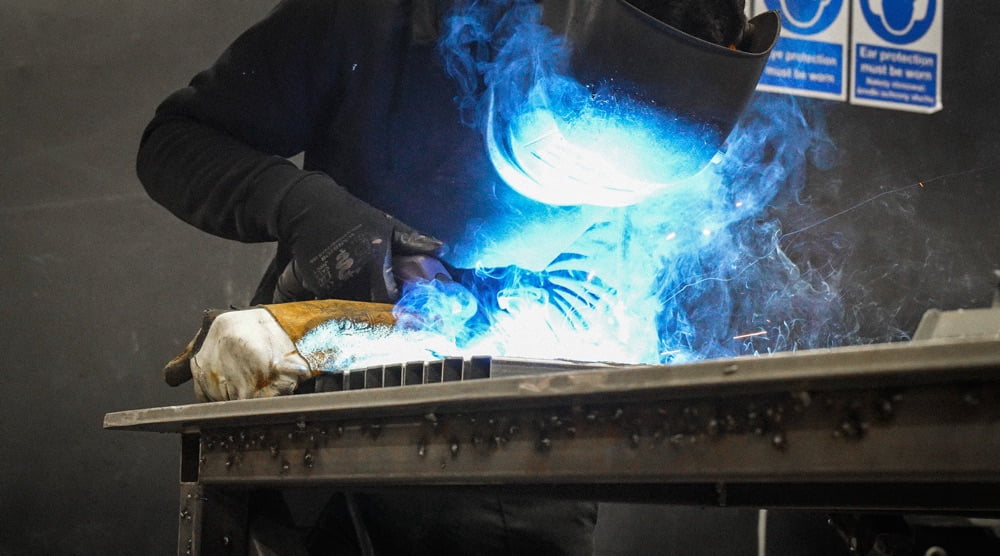
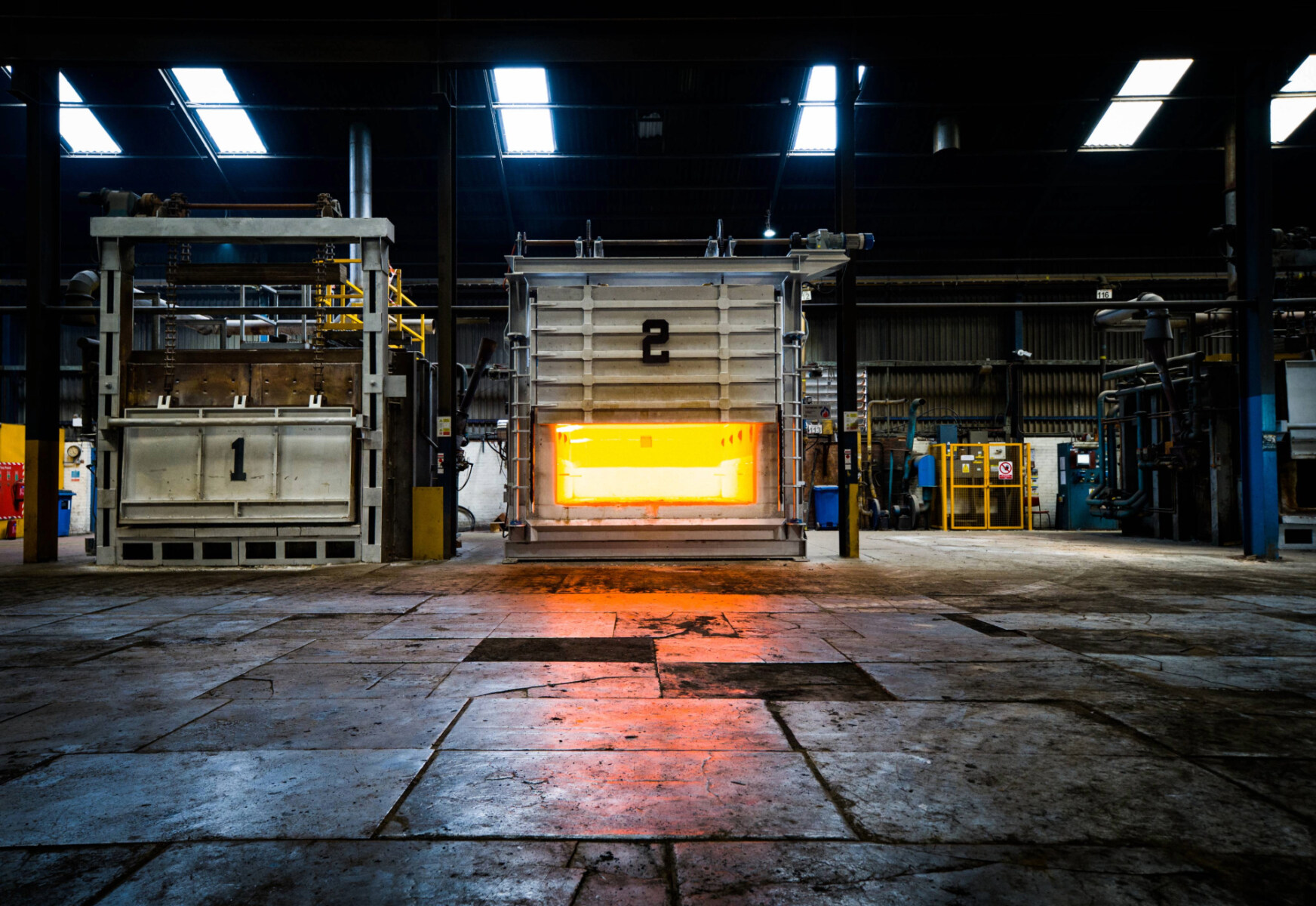
Candidates want to know where they will spend their time. Wide shots can establish the size and organisation of the facility, while closer footage reveals workstations, tools, control systems and collaboration between departments. Clean, well-lit and authentic images help viewers form an accurate first impression.
Honesty matters more than making every area look staged. A working factory should feel active, provided filming is planned safely and sensitive information is protected. Capturing genuine production activity also gives employees something natural to do on camera.
Industrial filming has practical requirements that office-based productions do not. Noise, PPE, restricted zones and moving equipment all influence the schedule, so experience with video production in manufacturing environments helps the crew work safely without disrupting normal operations.
Put employees at the centre of the story
Prospective recruits are likely to trust the people already doing the job. Short interviews with engineers, operators, apprentices and team leaders can explain what the work involves and why they chose to build a career with the company.
The best answers sound conversational. Contributors can respond to focused questions about a typical day, a project they are proud of, the support they received and the skills they have developed. They do not need to memorise promotional language.
Different voices create a fuller picture of the culture. An apprentice may describe learning on the job, an experienced engineer can discuss technical challenge, and a production manager can explain how the team works together. This variety helps more viewers recognise a possible future for themselves.
Make progression and training visible
Career development is easier to believe when candidates can see it. Footage might show mentoring, classroom learning, practical assessment or an employee moving between design, production and quality functions. Captions can highlight formal qualifications and structured development routes.
It is useful to explain where an entry-level role can lead. A brief story about someone who began as an apprentice and later became a supervisor or specialist provides a concrete example. Specific evidence is more persuasive than a general promise that progression is available.
Training also communicates the manufacturer’s commitment to quality and safety. Showing careful instruction, competent supervision and well-maintained equipment reassures applicants and supports the wider company reputation.
Translate technical work for new audiences
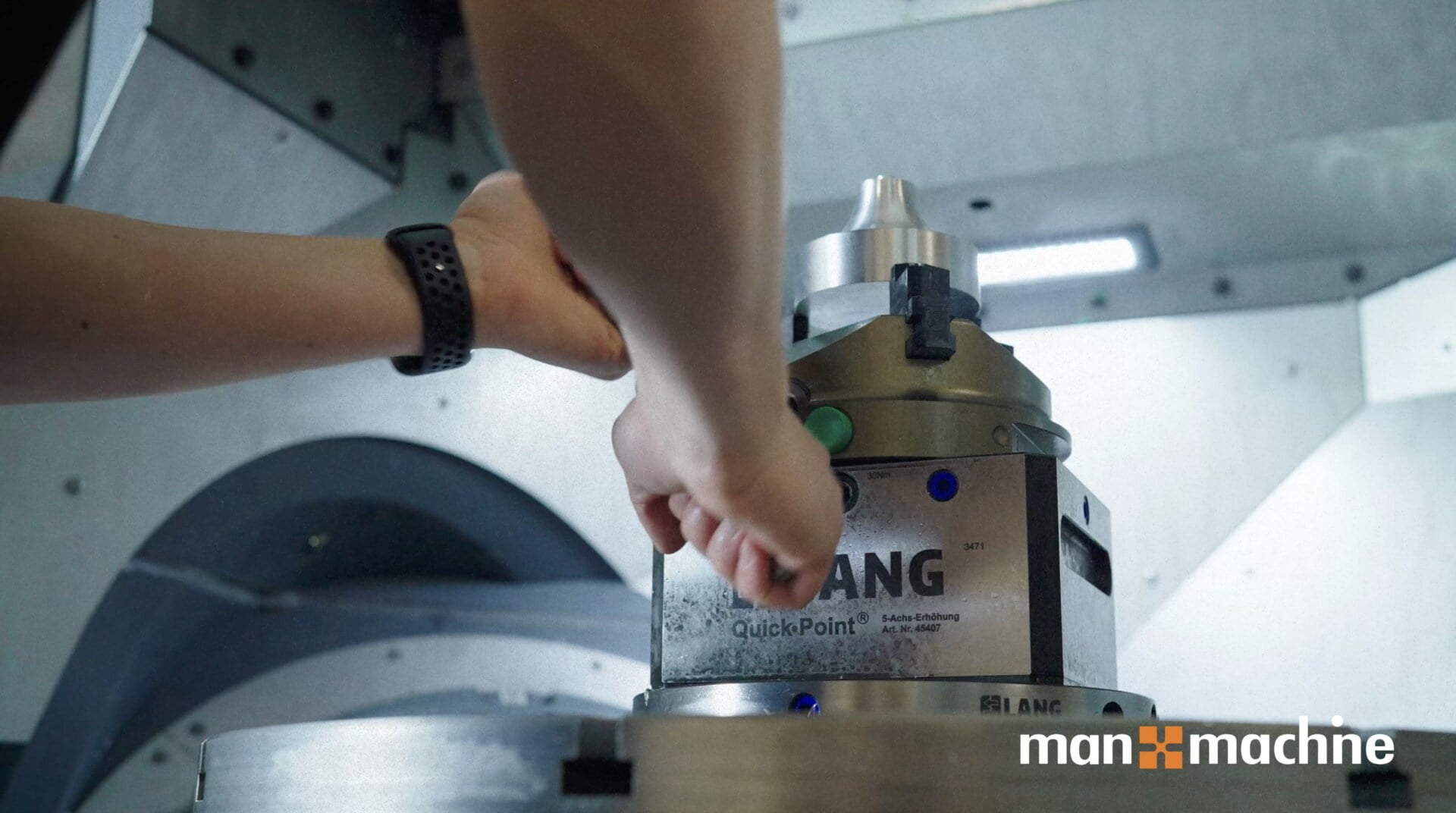
Many potential apprentices have never seen modern manufacturing at close range. Parents, teachers and careers advisers may also hold outdated assumptions about factory work. Video can replace those assumptions with a clear view of automation, digital systems and skilled problem-solving.
The story should explain complex processes without overwhelming viewers. A logical sequence of wide, medium and detailed shots can show how raw material becomes a finished product. Simple graphics can identify key stages and connect each role to the final outcome.
A recruitment film can borrow the same structural discipline used when deciding what to include in a manufacturing company video, while placing greater emphasis on people, learning and everyday experience.
Answer the questions candidates really ask
Useful recruitment content addresses practical concerns. What shift patterns are available? What does the workplace sound and feel like? Which qualifications are helpful? How are new starters supported? What kinds of projects might they encounter?
Not every detail needs to appear in the main film. Short companion clips can answer individual questions for a careers page or recruitment campaign. This format lets candidates explore the subjects most relevant to them without making the central video too long.
HR teams and department managers should agree the key messages before filming. Their input keeps the film accurate and ensures that the roles shown match current hiring priorities.
Create versions for every recruitment channel
A careers page may support a two- or three-minute film, while social platforms require shorter openings that communicate value immediately. Vertical edits, subtitled interview clips and brief process sequences can all be captured during the same production day.
Employees can become effective advocates when the content is easy to share. Short manufacturing videos for social media can extend the campaign through LinkedIn, Instagram and other channels used by candidates, colleges and local communities.
Subtitles are important because many people watch without sound. Clear on-screen titles should identify contributors and roles, while the visual story must remain understandable on a small screen. A strong first few seconds will help the right audience stop and watch.
Protect confidence during filming
Some employees feel nervous about appearing on camera. A small crew, clear briefing and relaxed interview approach can make the experience comfortable. Contributors should understand where the film will be used and have time to raise concerns.
Filming should avoid confidential drawings, customer information and unapproved products. A pre-shoot walk-through can identify safe angles and suitable work areas. This preparation protects the business while allowing the footage to feel natural.
It is also sensible to capture more than one employee for each theme. The editor can then build a varied sequence and avoid placing too much pressure on a single contributor.
Turn recruitment claims into credible evidence
Manufacturers often say that their people are their greatest asset. Video gives that statement substance by showing expertise, teamwork and development in action. Candidates can see the environment and hear directly from the people they may work beside.
By combining honest factory footage with employee voices and clear progression stories, manufacturing video production can support stronger recruitment campaigns. It helps skilled engineers and apprentices understand not only what the company makes, but why joining the team could be the right next step.