Engineering changes often look straightforward in a document but become harder to follow once they reach a busy production environment. A revised drawing, a new work instruction or a change to a process parameter can affect operators, supervisors, quality teams and maintenance staff in different ways. Manufacturing video gives those teams a shared visual explanation of what is changing, why it matters and how the change should appear on the factory floor.
Show the change in its real working context
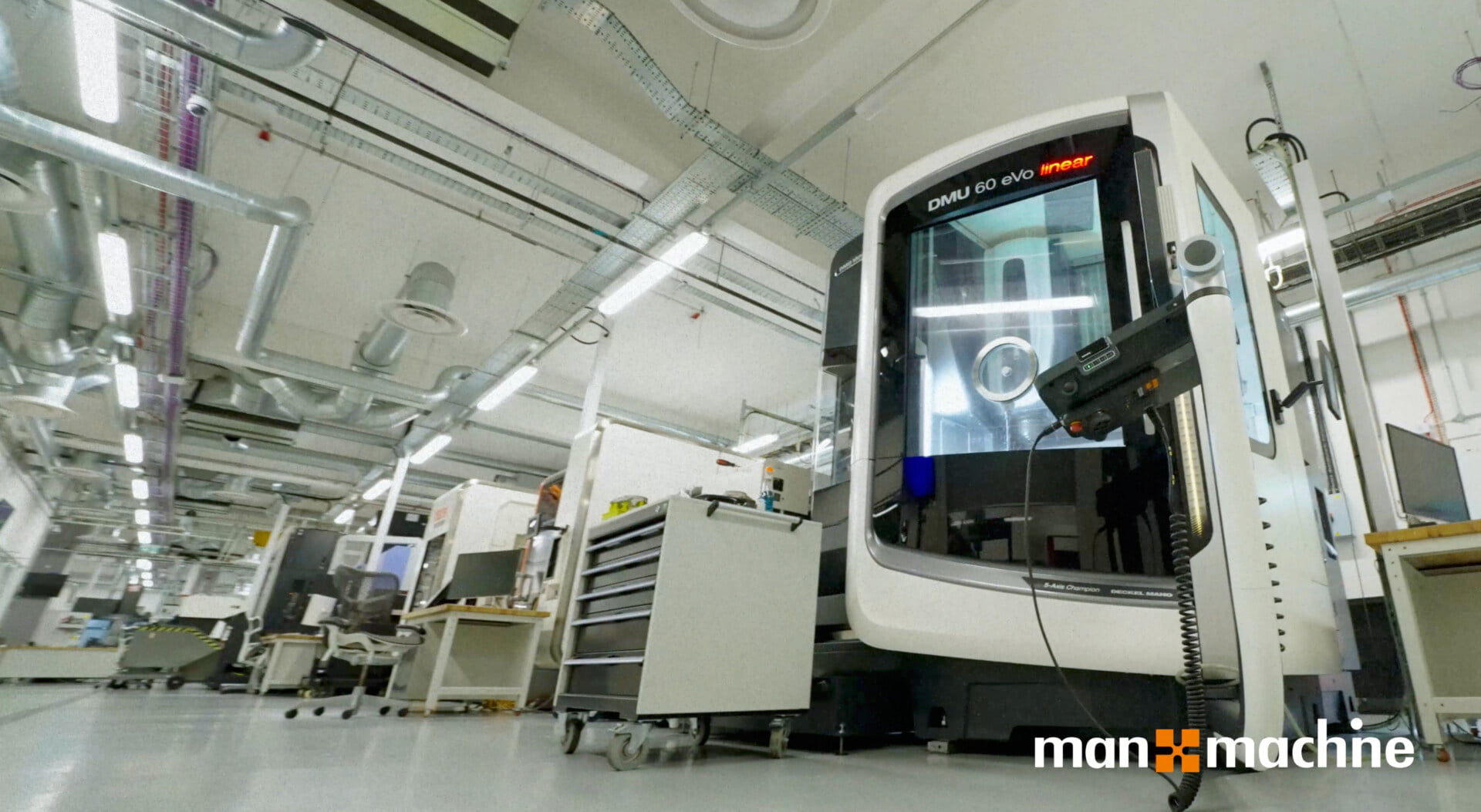
A useful engineering change video begins with the equipment, tooling or workstation affected by the update. Instead of relying on an isolated diagram, the viewer can see where the change sits within the wider process. Close-up shots can show a new component, connection or setting, while wider footage explains how people and materials move around it. That combination helps viewers connect technical detail with the practical sequence they already know.
The production team should plan the filming around the approved change information. A short briefing with engineering and operations can identify the exact parts that need to be shown, the old and new states that must be compared, and any areas that should not be filmed. This preparation also helps a technical risk explanation stay accurate without turning the video into a confusing list of warnings.
Make the reason for the change visible
People are more likely to apply a change consistently when they understand the problem it solves. The video can briefly show the previous condition, the trigger for the update and the improvement expected after implementation. For example, a revised guarding arrangement might reduce access risk, while a new inspection step might catch a defect earlier. Showing the cause-and-effect relationship gives the instruction a useful operational purpose.
Keep the explanation proportionate. The audience does not need every design calculation, but it does need enough context to make good decisions when conditions vary. On-screen labels, simple arrows and a short voiceover can identify the affected point without covering the screen in text. This is particularly valuable when the change supports continuous improvement work, where teams may need to understand both the immediate update and the learning behind it.
Use separate sections for different audiences
An engineering change video can serve several departments if it is structured carefully. A short opening can explain the overall reason for the change. A practical section can then show the revised sequence for operators, followed by details for quality checks, maintenance considerations or supervisory sign-off. Clear chapter titles allow viewers to return to the part that applies to their role without watching the entire video each time.
Where the change is connected to a recurring defect or incident, include the relevant evidence without assigning blame. A concise before-and-after demonstration can help teams see what to look for during normal work. It can also complement a root cause analysis process by turning an agreed finding into a visible action at the point of use.
Plan for controlled rollout and reuse
Before release, engineering, quality and production should agree who owns the final version and how superseded footage will be removed from circulation. The video should carry a revision date or reference, particularly when it explains a setting, component or inspection method that may change again. Capturing a clean master also makes it easier to create shorter versions for induction, toolbox talks or a digital work instruction system.
When filmed with a clear change brief, manufacturing video becomes more than a presentation of new equipment. It becomes a practical bridge between engineering intent and everyday action. The result is a communication asset that can reduce ambiguity, support consistent adoption and give future teams a reliable visual record of why the process looks the way it does.