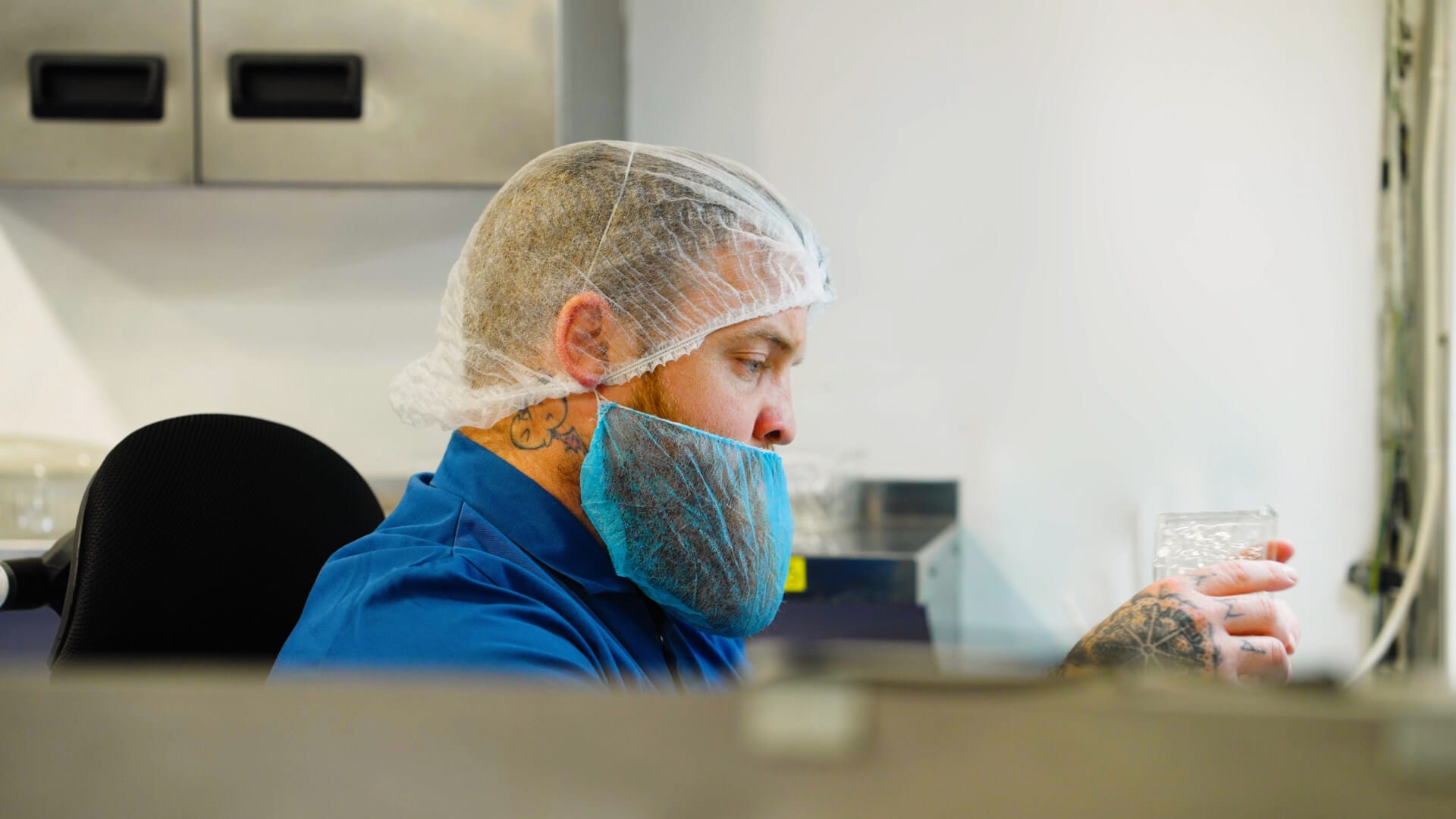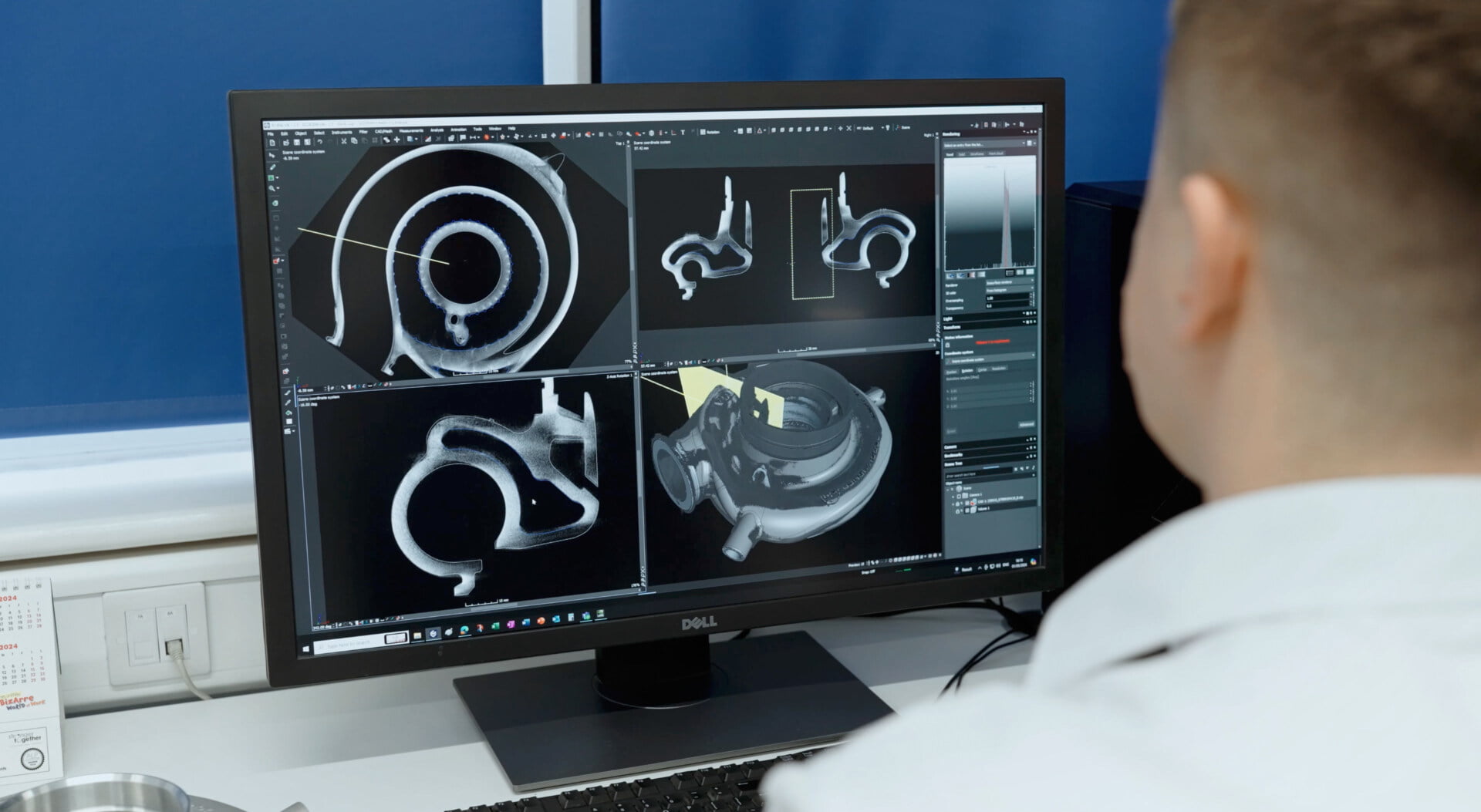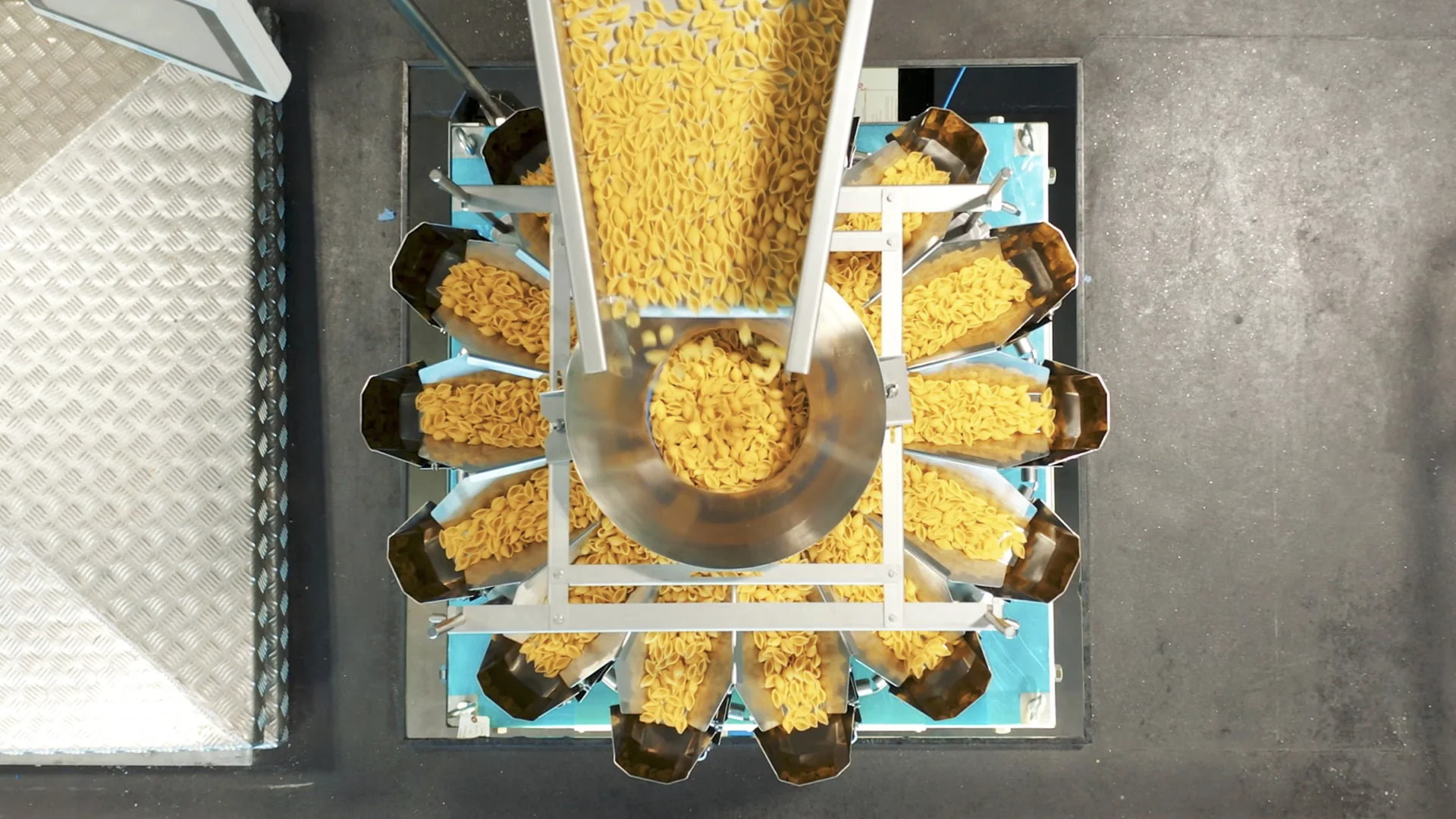
When a production problem appears, the first explanation is not always the most useful one. A machine may be stopping because of a setting, a material variation, a handover gap or a sequence that is difficult to see from a report. A carefully planned manufacturing video can make the evidence around a recurring issue easier to review, discuss and act on.
Make the real process visible
Root cause analysis depends on understanding what happens before, during and after an event. Video can record the movement of materials, operator decisions, control-panel changes and the timing of a handoff in one continuous story. That context helps a team compare the documented standard with the process as it is actually performed, without relying only on memory or isolated still photographs.
The filming should be agreed with production and safety leads in advance. A short shot list can identify the normal cycle, the points where variation is expected and the details that need close coverage. This is closely related to the principles behind continuous improvement video, where the aim is to create a practical record that teams can return to.
Capture evidence without disrupting the line
A useful investigation film does not need a dramatic camera move. Stable angles, clear time references and clean sound often matter more. Wide shots establish the layout, while close shots show indicators, tooling, labels and interfaces. Where access is restricted, a remote camera or a planned pause may provide safer and more repeatable evidence than asking a crew to work around an active machine.
It is also important to record the conditions around the event. Include the batch or product context where appropriate, the shift handover, maintenance status and any temporary countermeasure in place. A production video that explains equipment maintenance clearly can be a useful reference when the investigation involves the boundary between maintenance work and normal operation.
Turn footage into a shared investigation tool
Unedited footage can be valuable, but an organised edit makes review faster. Use chapter points, on-screen labels and restrained graphics to separate observation from interpretation. Show the sequence first, then add a concise explanation of what the team is testing. This keeps the film credible and makes it easier for operators, engineers and managers to discuss the same evidence.
Keep sensitive information controlled and agree who can access the final version. If the investigation reveals a training need, selected clips can later support operator learning, provided they are updated when the process changes. That creates a useful link between problem solving and operator training video without turning the investigation into a blame exercise.
Use the film to close the loop
The strongest outcome is not simply a persuasive video; it is a clearer decision. End with the confirmed cause, the corrective action, the owner and the evidence that will show whether the change worked. A short follow-up recording can then demonstrate the revised process and preserve the learning for future shifts, sites or product launches.
By documenting real conditions with care, manufacturing video gives root cause analysis a shared visual reference. It helps teams ask better questions, communicate findings across departments and keep improvement work grounded in what is happening on the factory floor.