Launching a new product from a manufacturing business involves more than showing the finished item. Customers, distributors and internal teams need to understand what has changed, why it matters and how the product is made consistently. A carefully planned manufacturing video can turn that technical story into something people can follow, remember and share.
The strongest launch films connect the product to the people and process behind it. They show enough engineering detail to build confidence while keeping the message focused on the problem the product solves.
Start with the change the audience needs to understand
Before planning shots, define the single change the launch needs to communicate. It might be a faster assembly method, a safer component, a lower-energy process or a design that makes installation easier. That decision gives the film a clear centre and prevents a product video becoming a catalogue of disconnected features.
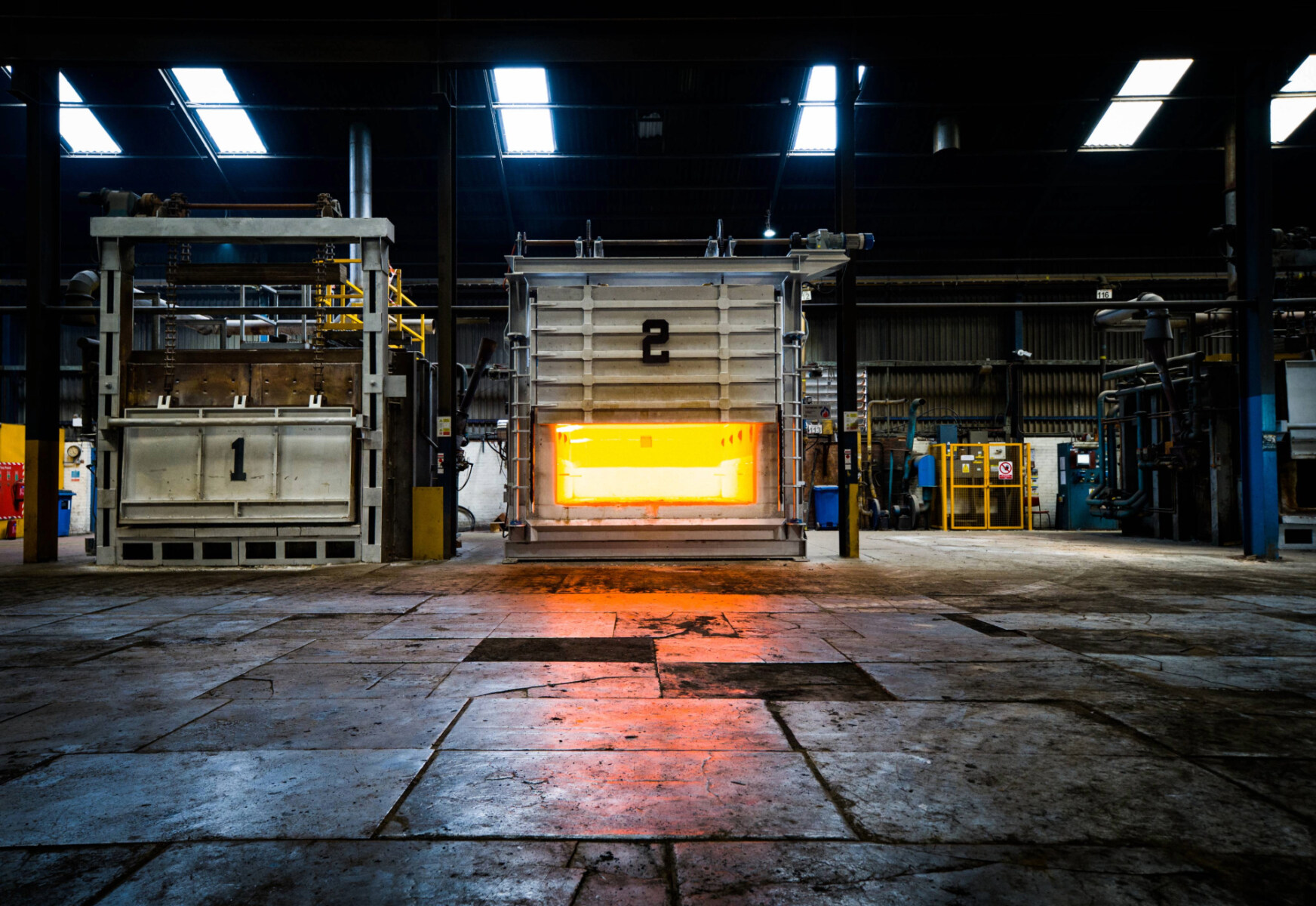
Interview questions should draw out practical evidence: what was difficult before, what has improved, and how can a customer recognise the difference? When the answers are supported by precise process footage, the result feels useful rather than promotional. The same discipline helps when capturing scale and detail in a manufacturing video, especially when the product combines large equipment with small tolerances or components.
Show the route from design to repeatable production
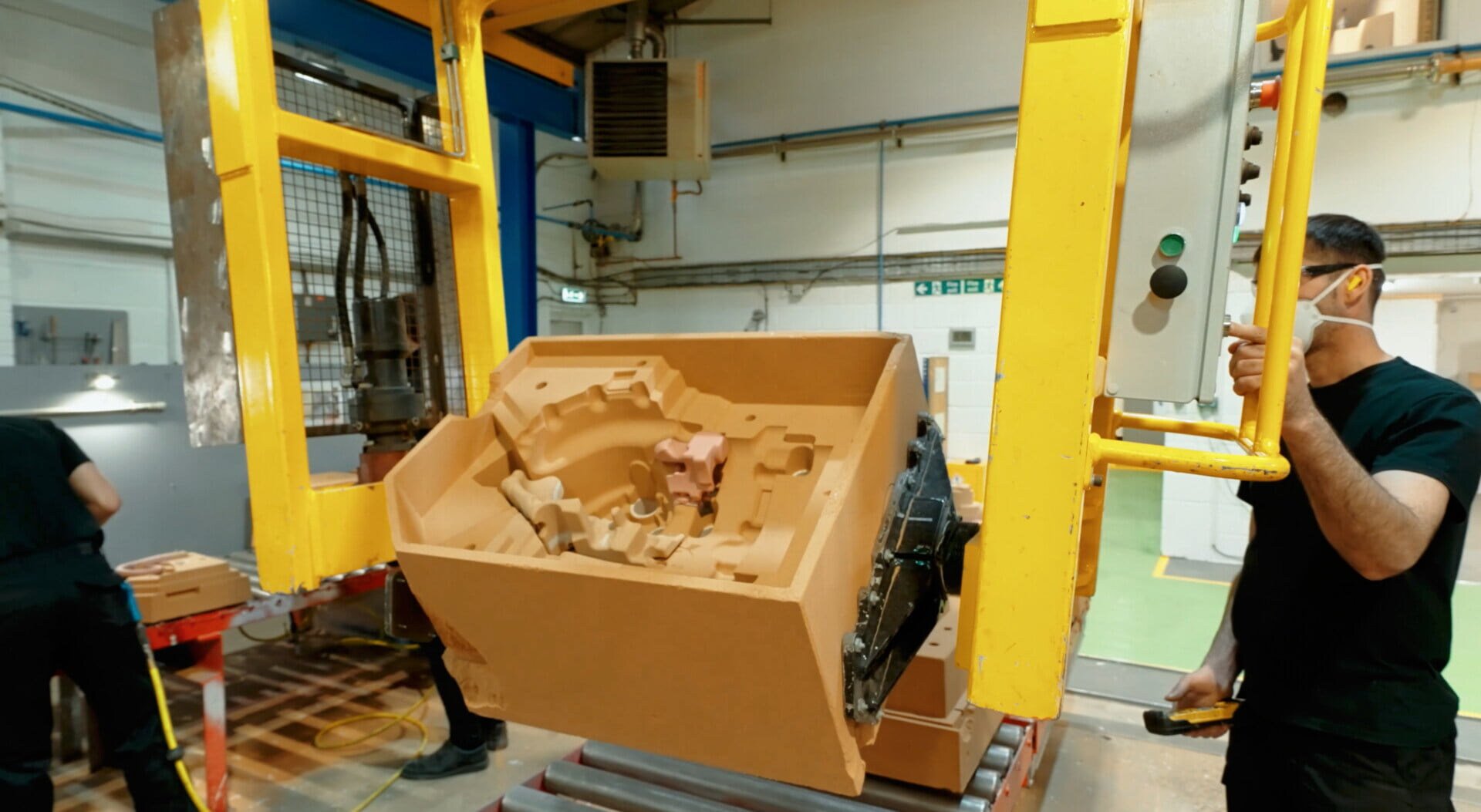
A launch film gains credibility when it follows the product through a believable sequence. Begin with the design intent, move into tooling or automation, then show inspection, testing and the finished product in context. Each stage should answer a question the audience is likely to have, rather than simply adding another attractive shot.
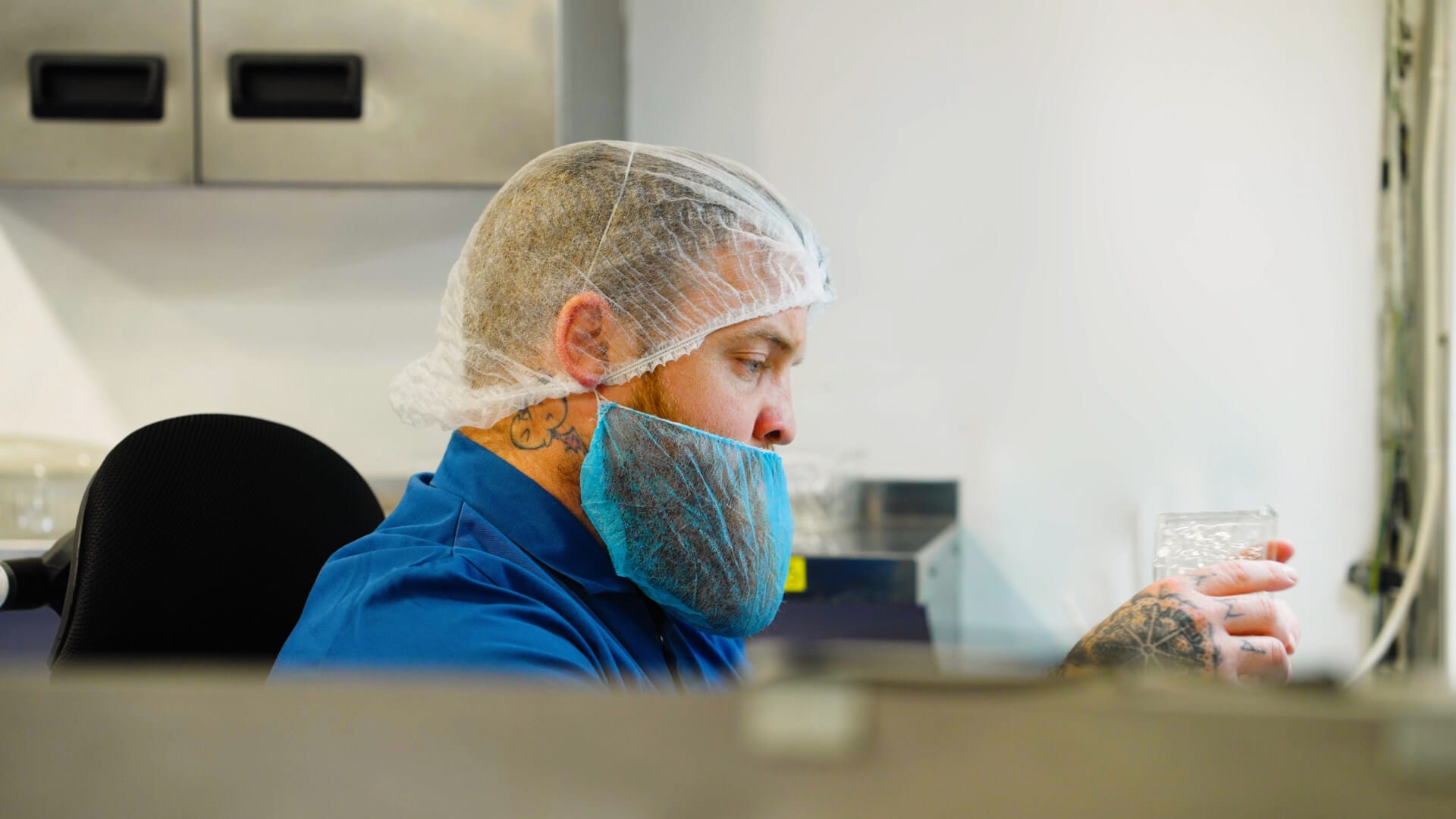
Production footage should be planned around safe access and normal working conditions. A short recce can identify useful viewpoints, clean backgrounds and moments when the line can be filmed without interrupting output. Detail shots of measurement, surface finish, component fit and quality checks often communicate more than a wide shot of the factory alone.
Make technical proof easy to see
Graphics can help viewers understand specifications, but they should support what is visible on screen. Use restrained callouts for dimensions, materials, cycle times or test results, and keep the wording consistent with approved technical documentation. If a claim needs context, let an engineer or operator explain it in plain language.
Sound also carries proof. The rhythm of a machine, the click of an inspection tool or the calm explanation from a subject-matter expert can make the process feel real. Thoughtful audio planning matters just as much as lighting when sound matters in manufacturing video production, because noisy environments can quickly obscure an otherwise clear message.
Build versions for every launch conversation
One master film rarely serves every audience. A longer version can explain the product journey for a sales meeting, while shorter edits can answer one question at a time for a website, trade-show screen or social channel. Capture clean interview answers and plenty of process detail during the same shoot so these versions feel like parts of one campaign.
Plan captions, aspect ratios and end frames early. A distributor may need a concise product benefit, an engineer may want the test evidence, and a new customer may simply need to see how the product fits into an existing operation. Repurposing is most effective when the original shoot has been structured around those real use cases, much like turning one factory shoot into a year of video content.
Let the launch film keep working after release
A product launch video should remain useful after the announcement. Keep the claims specific, avoid dates or quantities that will become obsolete quickly, and store supporting cutaways that can be reused in training, onboarding and customer support. A clear closing message can direct viewers to the next practical step, whether that is requesting a technical conversation, arranging a demonstration or downloading specifications.
When the film respects the audience’s time and shows the evidence behind the product, it does more than introduce something new. It gives people a shared understanding of the change and helps the manufacturing team communicate it consistently long after launch day.