Factory handover and commissioning are decisive moments in a manufacturing project. A new line, upgraded cell or relocated process may be technically ready, yet the people responsible for operating, maintaining and approving it still need a clear understanding of what has changed. A well-planned manufacturing video can capture that knowledge while the detail is fresh, turning a complex transition into a practical reference for teams across the business.
Make the change visible before production begins
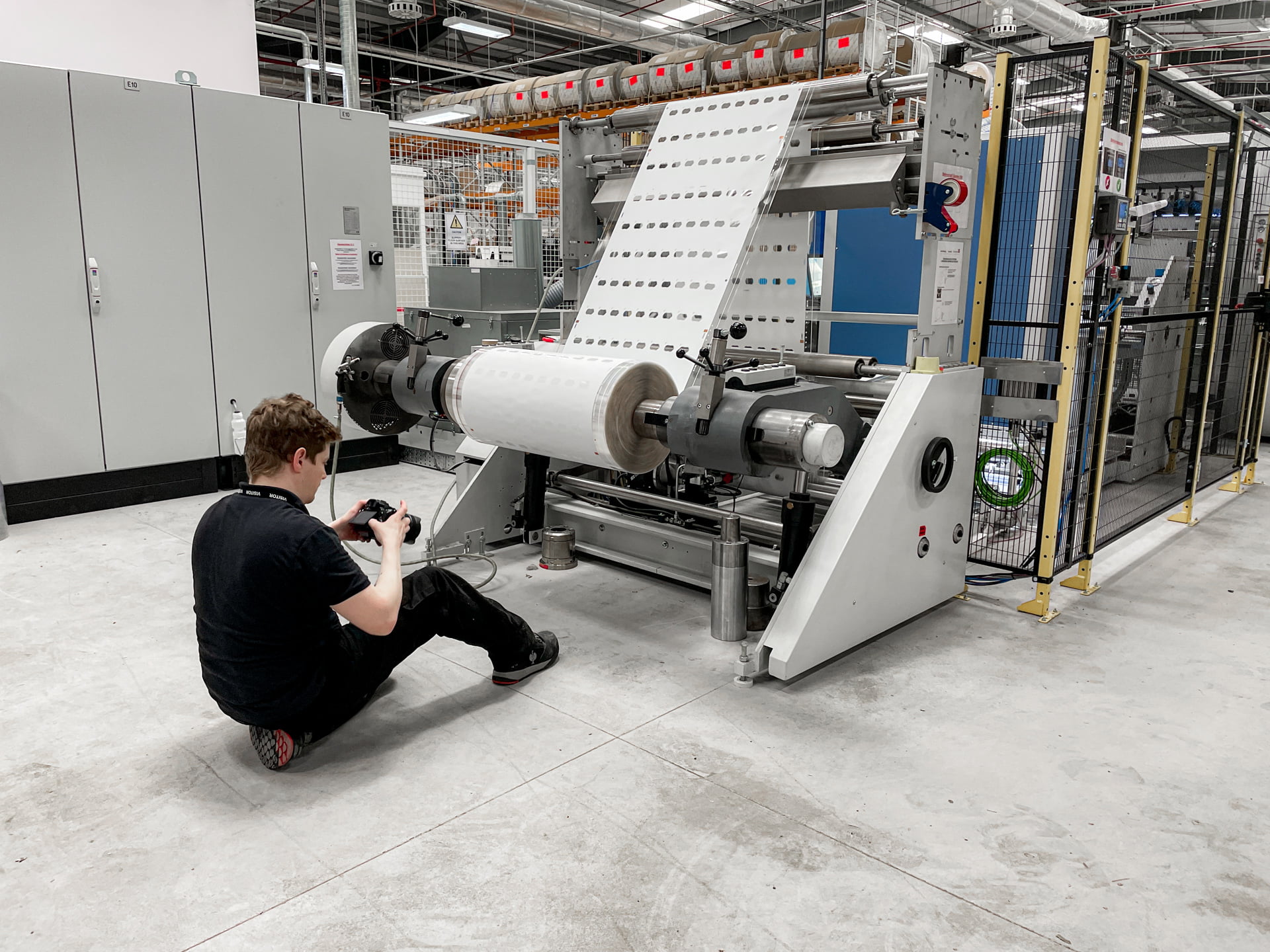
Commissioning often involves temporary access, specialist contractors, control-system testing and staged sign-off. Those conditions can be difficult to recreate once the area returns to normal production. Filming the installation and first runs creates a visual record of the equipment in context: where materials enter, how guarding works, which indicators matter and what a normal start-up sequence looks like.
The strongest videos do not attempt to document every minute of a project. They focus on the decisions and observations that people will need later. A production manager may need to explain why a layout changed, while an operator may need to see the correct hand position or inspection point. Clear shot lists, labelled cutaways and concise interviews help turn site activity into information that remains useful after the contractors have left.
Give every handover audience the right level of detail
One handover rarely serves a single audience. Operators need an accessible overview of the workflow and the points where attention is required. Maintenance teams need access panels, service routes and evidence of how components behave during a normal cycle. Senior stakeholders may need a short explanation of the operational benefit, capacity change or quality improvement.
A modular edit makes the same production visit work harder. An opening overview can establish the purpose of the project, followed by short sections for operation, maintenance, quality and safety. This approach also supports operator training because specific sequences can be revisited without asking viewers to search through a long film.
Record evidence, not just a polished reveal
Commissioning footage is most valuable when it shows evidence of performance rather than presenting equipment as a finished showroom object. Capture the line under realistic conditions, including material flow, changeovers, checks and the small adjustments that make the process dependable. Where appropriate, interview the people who tested the system and ask them to explain what they look for when deciding that a stage is ready to sign off.
Sound and on-screen graphics matter particularly here. A noisy factory can hide important explanations, so clean interview audio and short captions should carry essential terms, measurements or sequence names. Visual explanations can also make technical risk easier to understand, especially when the risk depends on timing, restricted access or interaction between several pieces of equipment.
Extend the handover beyond the project team
A useful handover film should have a life beyond the commissioning meeting. It can support induction for new starters, help a supplier understand the installed context, provide a refresher before planned maintenance and give commercial or procurement teams a grounded explanation of the capability now available. Store master footage and final edits with clear names, dates and version notes so the material can be found when the plant changes again.
Planning the edit as part of the wider content strategy can also reduce future disruption. A single filming day may produce a main handover film, short task-based clips and an overview for customers or partners. That is especially effective when the production team has already planned how to turn one factory visit into a year of useful content, rather than treating the final reveal as the only deliverable.
Plan the final review around real use
Before publication, ask representatives from operations, engineering, maintenance and health and safety to review the cut. They should check that terminology is accurate, sequences are shown in the right order and no temporary or unsafe condition is presented as standard practice. It is also worth confirming that people featured on camera understand where the video will be used.
The finished result should feel practical, specific and trustworthy. When a manufacturing video shows how a new process works, why key controls exist and what good performance looks like, it gives a handover lasting value. It becomes part of the operational knowledge around the asset, not simply a record that the project was completed.
For more guidance on planning a production around a live site, see planning a manufacturing video around production changeovers.