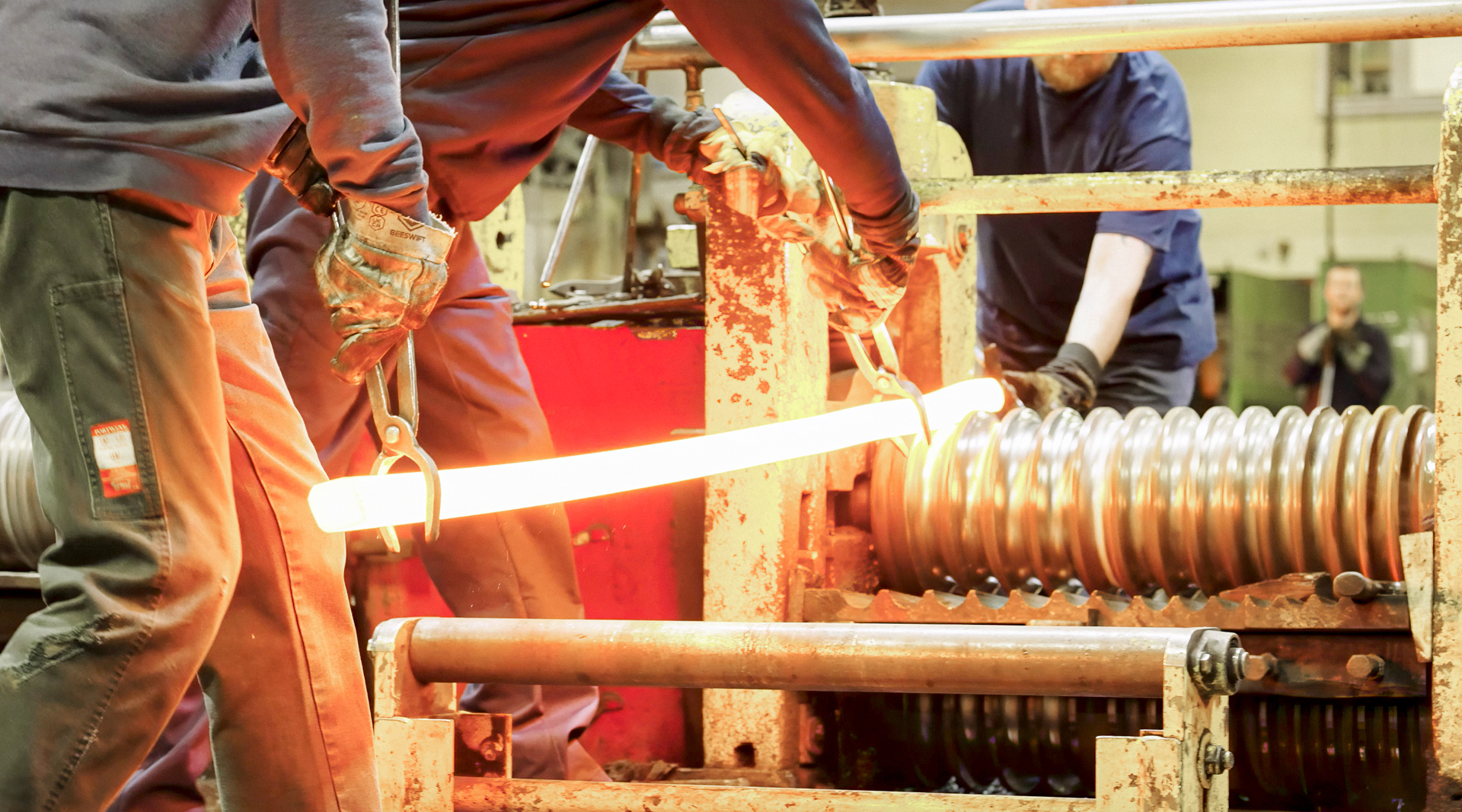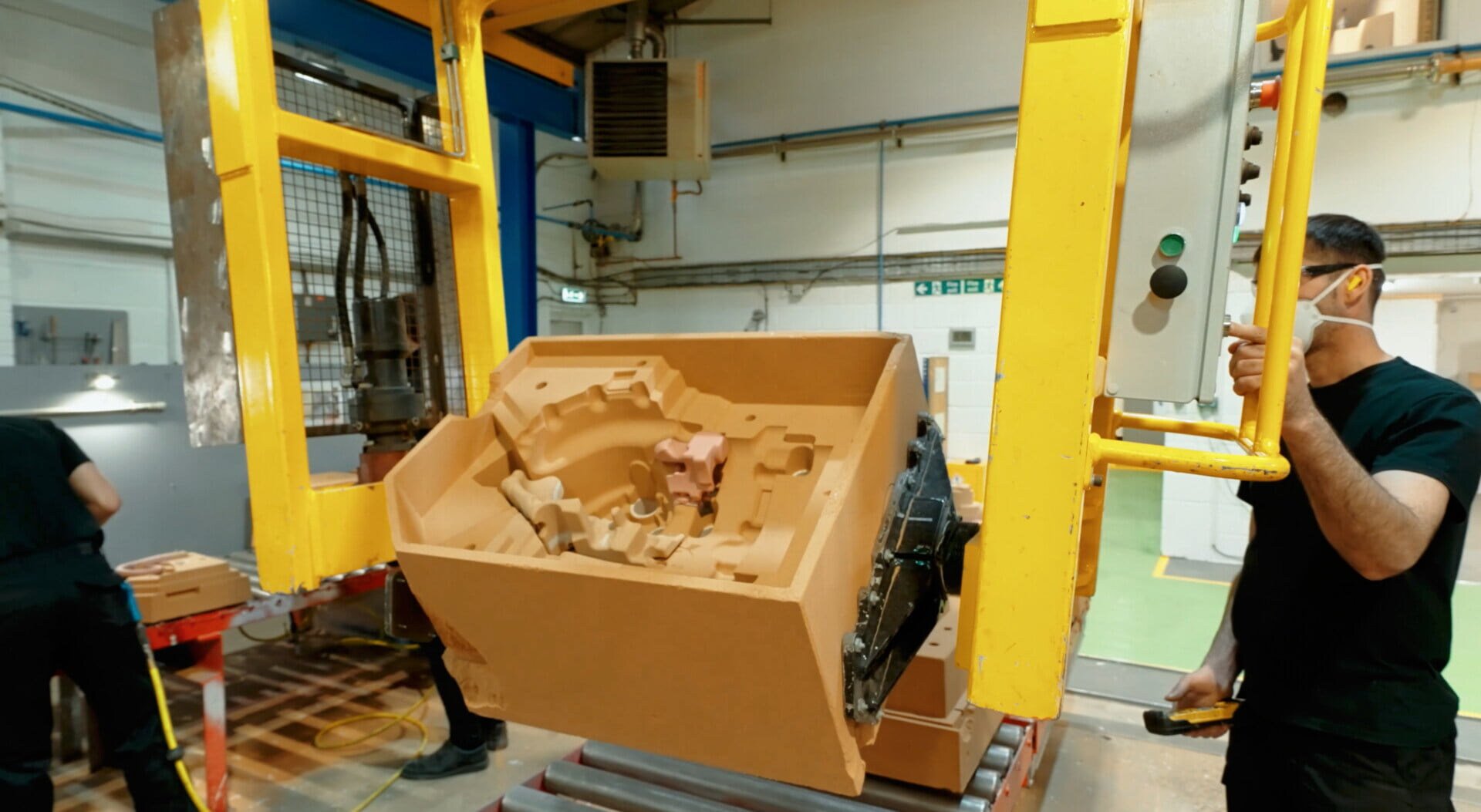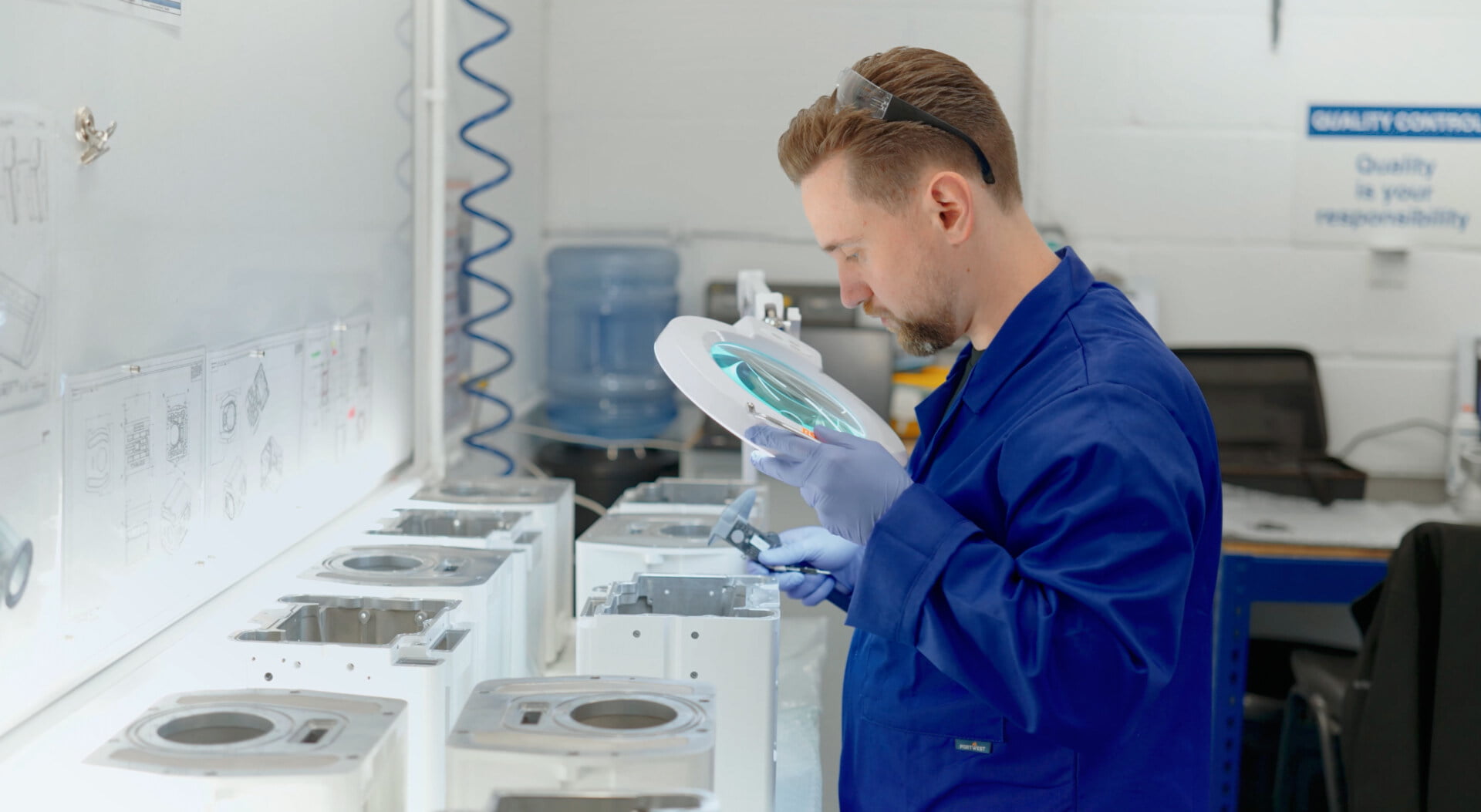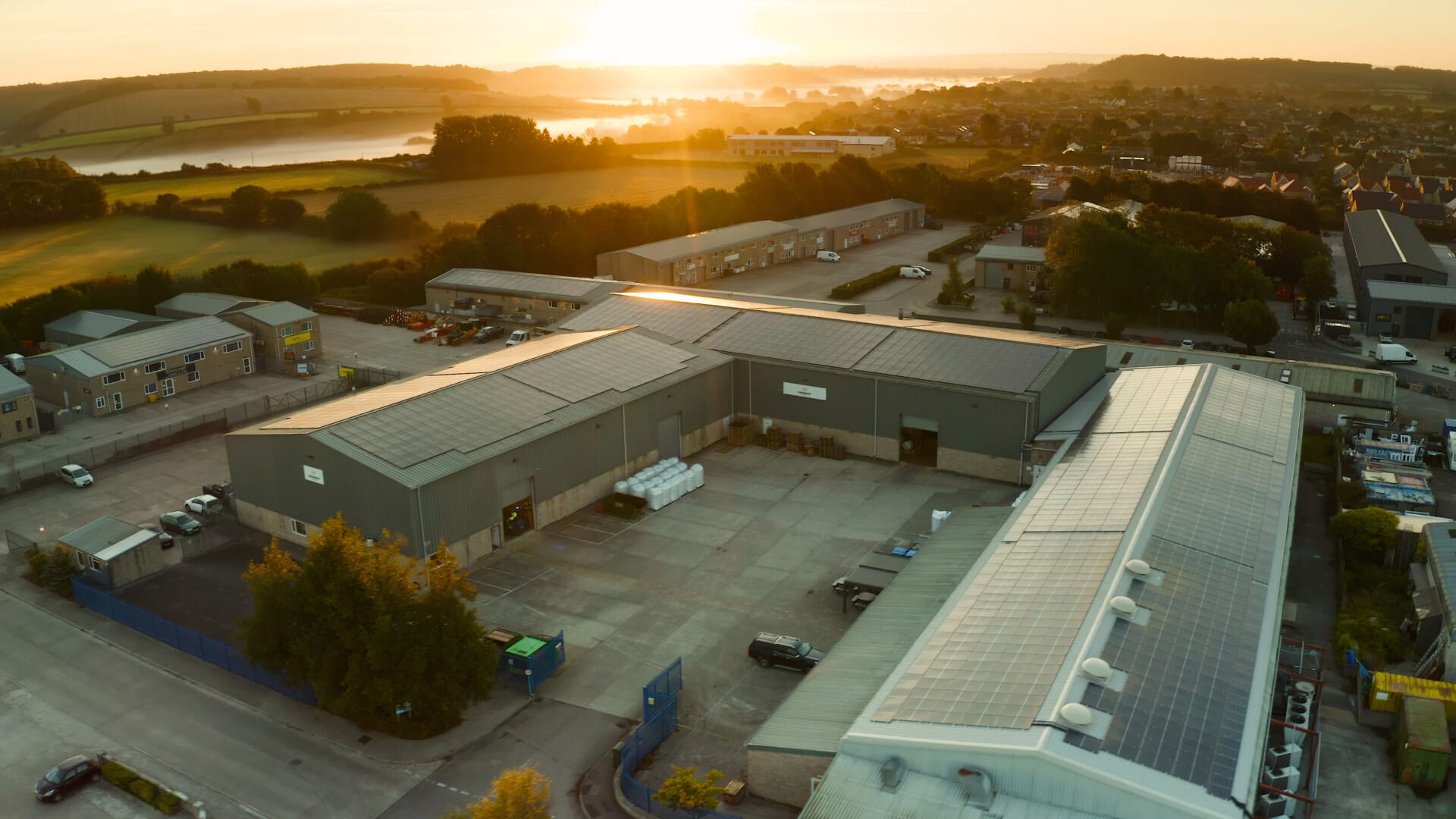
Lean improvement is often described in terms of waste, cycle time, standard work and measurable gains. Those ideas matter, but a spreadsheet rarely shows how a change feels on the factory floor. Manufacturing video can make the practical detail visible: the movement an operator has removed, the handover that is now clearer, or the small layout decision that prevents a delay.
That visibility is useful because continuous improvement depends on shared understanding. A production manager may see a bottleneck in a report, while an operator experiences it as repeated walking, searching or waiting. A carefully planned film brings those perspectives together without turning the improvement story into a polished claim with no evidence behind it.
Show the original problem before showing the solution
A credible lean improvement video should establish the starting point. Film the route materials take, the way information is passed between teams and the points where work pauses. Keep the camera close enough to show the detail, but wide enough to explain how the activity fits into the wider process. Viewers can then understand what was changed and why the change was worth making.
This approach also gives subject-matter experts useful prompts for interviews. Instead of asking someone to describe an abstract efficiency gain, ask what they had to do before, where time was lost and what they do differently now. The answers become more specific, and the audience can connect the explanation to what they have just seen.
Make small improvements feel significant
Lean work is not always dramatic. A labelled tool position, a clearer visual instruction or a better sequence of checks may look modest on camera, yet those details often protect quality and reduce frustration every day. Use close-ups, measured movement and well-chosen cutaways to give those improvements the attention they deserve.
On-screen text can add context without overwhelming the viewer. A short label can identify the old and new sequence, while a simple graphic can clarify the route or responsibility at a handover. Keep claims tied to evidence supplied by the business, such as an observed reduction in steps, a shorter changeover or fewer avoidable interruptions.
Plan filming around real production
Lean improvement videos work best when they respect the rhythm of the site. A pre-production discussion should identify safe filming positions, busy periods, protected information and the people who need to approve the final story. Planning around production changeovers is especially important when the improvement affects setup, tooling or line availability.
The film crew should also agree how repeatable actions will be captured. Some processes happen quickly, so a locked-off wide shot may need to be combined with detail coverage recorded during a controlled demonstration. This is where a thoughtful factory recce helps: it reveals sightlines, sound problems and practical access before filming begins.
Connect the improvement to people and performance
A strong film does not present lean as a purely technical exercise. Include the operators who helped identify the issue, test the change or refine the new method. Their observations give the story credibility and show that improvement is an ongoing habit rather than a one-off project imposed from above.
It is also useful to show how the change supports wider goals. A more reliable sequence may help quality teams, maintenance staff, new starters or customers who need confidence in the process. When the story needs more technical context, technical risk explained clearly can provide a useful model for balancing specialist detail with accessible language.
Use the finished video as a practical improvement tool
Once published internally, the video can support toolbox talks, onboarding, improvement workshops and cross-site learning. Keep a master version with accurate captions and a shorter cut for team briefings. If the process changes, update the relevant section rather than allowing an old demonstration to become an unofficial instruction.
The best manufacturing video for lean improvement is not simply a record of a successful project. It is a shared reference point. By showing the starting condition, the human reasoning and the measurable change, it helps more people recognise improvement opportunities and understand what good looks like in practice.