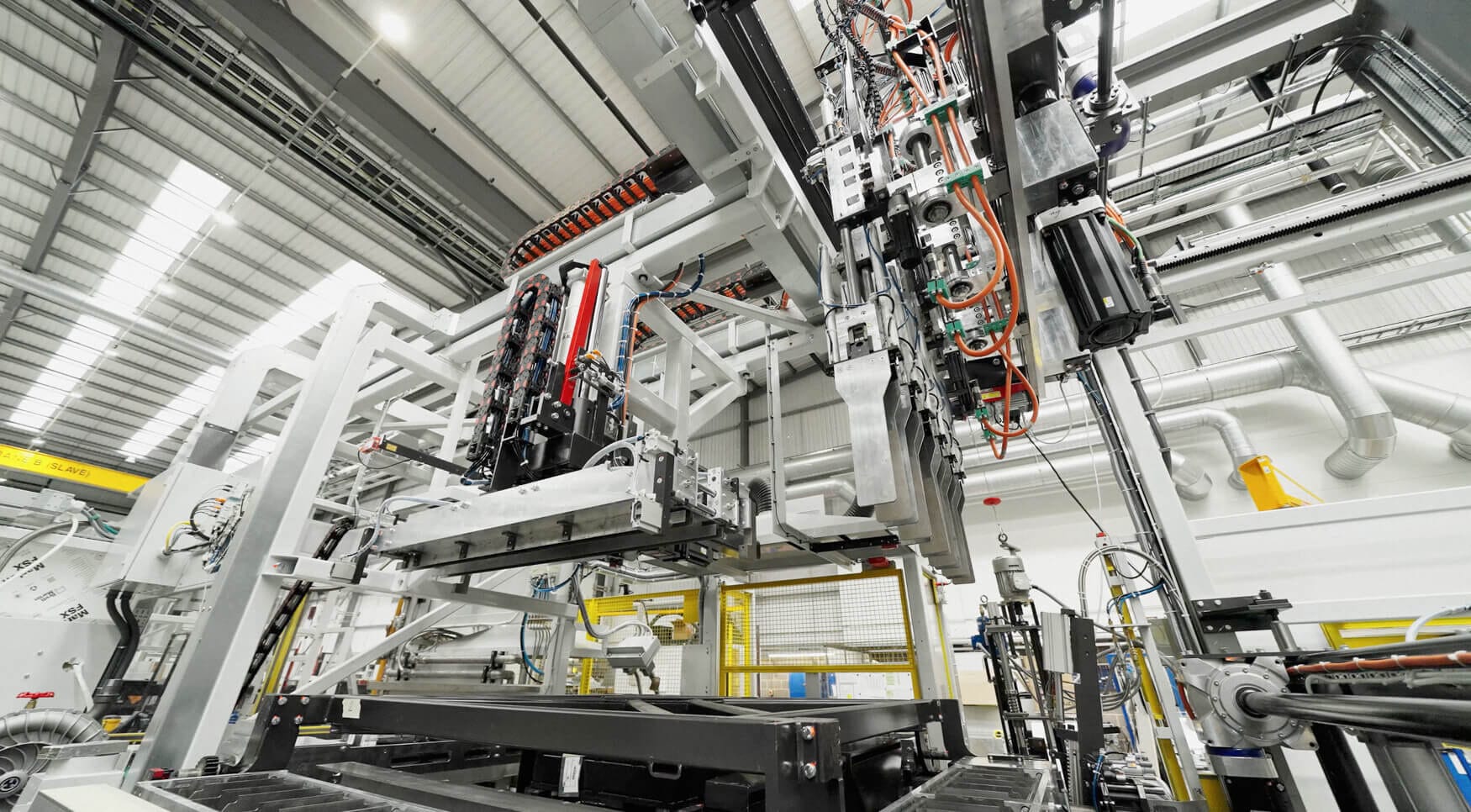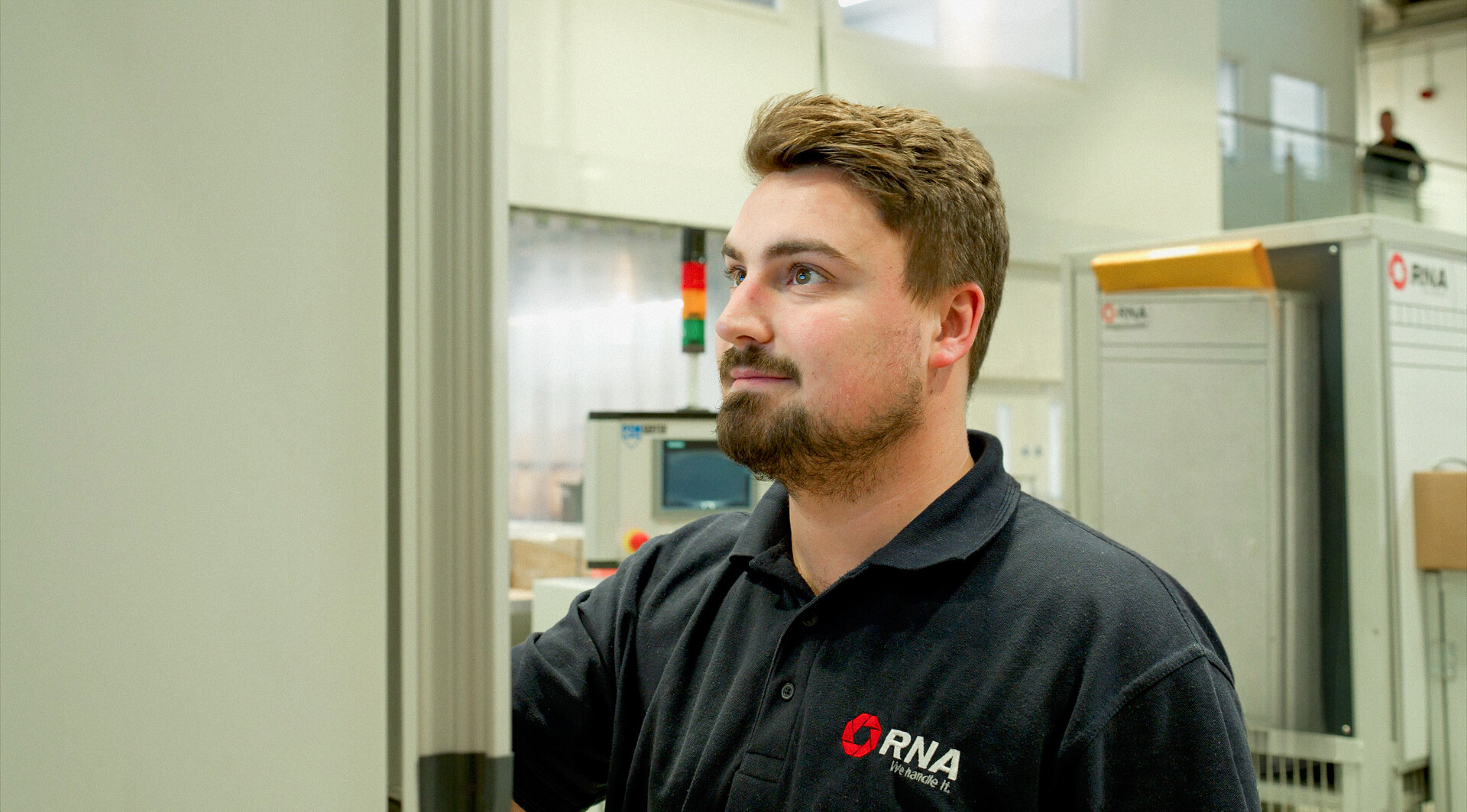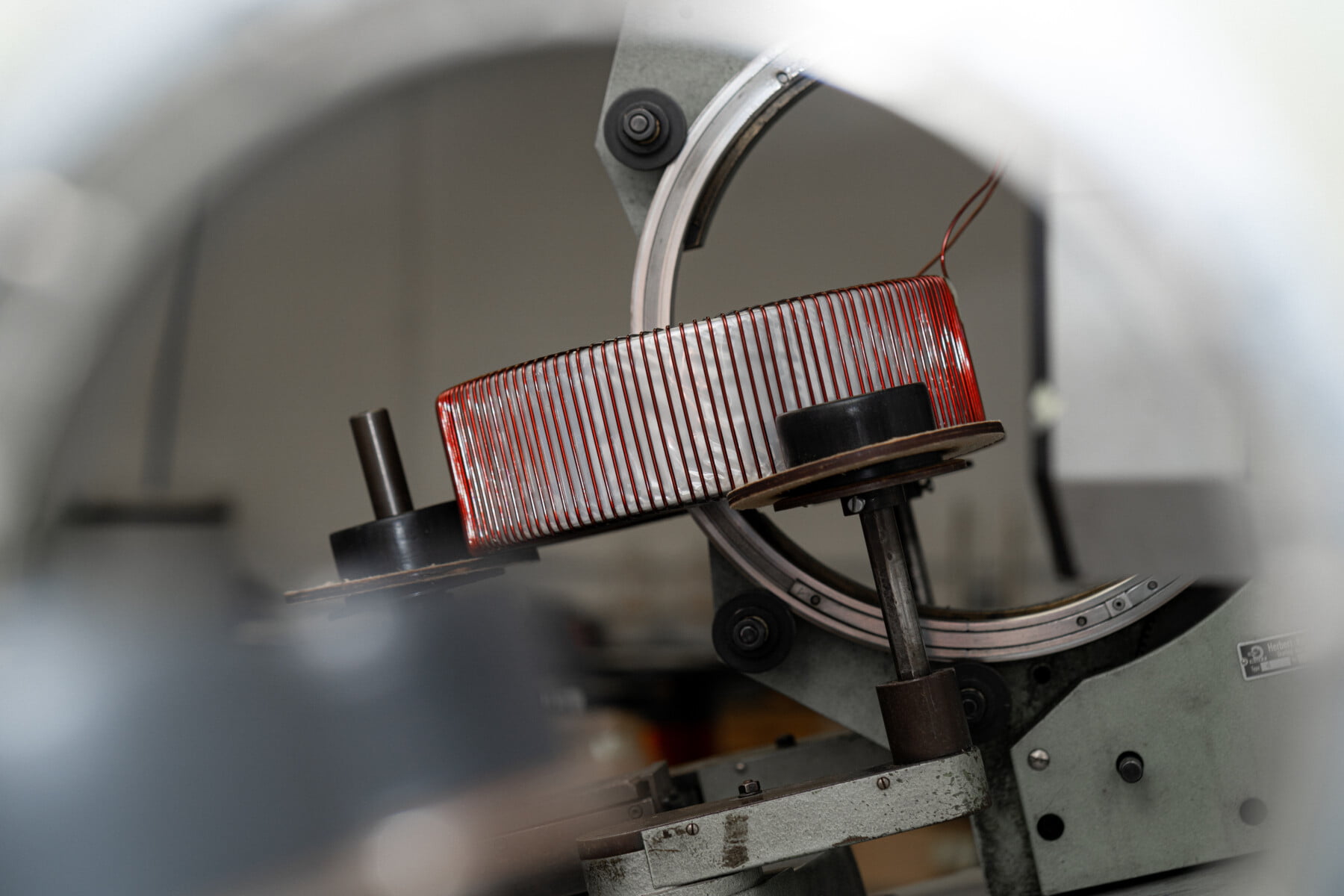
Production line balancing is often discussed through takt times, cycle times and spreadsheets, but the practical reality is easier to understand when people can see the work. A well-planned manufacturing video can show how materials, operators and equipment move through a line, where waiting begins and which tasks create pressure for the next station.
That visual record gives production, engineering and improvement teams a shared reference. Instead of relying on separate descriptions of the same bottleneck, they can review one sequence together, compare intended and actual work, and agree where a change should be tested.
Make uneven work visible
A line may appear balanced when viewed from a distance, while small differences in reach, walking, inspection or replenishment quietly add seconds to one station. Film the full sequence from a stable viewpoint, then capture close detail of the tasks that determine the pace. The finished edit should preserve enough context to show both the operator’s method and the effect on the wider flow.
This is especially useful when a constraint is intermittent. A short stoppage, a handoff that is not always ready, or an inspection step that varies by product can be difficult to explain in a meeting. Video gives the team something concrete to pause, annotate and compare against later trials. It can also complement visual KPI communication by connecting a measured result to the activity that produced it.
Film for analysis, not just presentation
The strongest production-line footage is planned around the questions the team needs to answer. Record the approach to each station, the point at which work is handed over, the use of fixtures and the movement of empty packaging or tools. Keep the camera position consistent where possible, and note the product variant, shift and operating conditions so that later comparisons are meaningful.
Graphics can then identify cycle-time boundaries, queue build-up or unused capacity without pretending that the numbers came from the camera alone. The video should support time studies, observations and operator insight rather than replace them. When teams are testing a new layout, a before-and-after film can also make the learning from factory layout validation much easier to share with colleagues who were not present on the shop floor.
Turn the edit into a practical improvement tool
An internal review version might be direct and detailed, with labels for stations and clear transitions between stages. A shorter management version can focus on the constraint, the proposed intervention and the evidence from the trial. Keeping these versions connected helps leaders understand why a change matters without losing the operational detail needed by the people implementing it.
It is important to involve operators in the review. They can explain why a motion exists, identify quality or safety considerations that are not obvious on camera, and suggest a better way to test the balance. This collaborative approach makes the film a record of learning rather than a judgement on individual performance, much like the shared practice created through standard work documentation.
Use repeatable footage to track progress
Once the line has been adjusted, return to the same viewpoints and capture the revised sequence under comparable conditions. The comparison should show whether work has moved more evenly, whether a bottleneck has simply shifted downstream, and whether the change introduced extra movement or risk. Store the footage with the relevant improvement record so that future teams can understand the decision and the evidence behind it.
Manufacturing video production is most valuable here when it is purposeful: it makes flow visible, gives different disciplines a common language and preserves the reasoning behind a change. Used alongside measurements and operator knowledge, it can help a line-balancing discussion move from assumption to practical action.