Manufacturing knowledge is often held by people who have spent years learning how a line behaves in real conditions. They know which sound suggests a developing fault, which sequence keeps a changeover stable, and which small adjustment prevents a recurring delay. The challenge is making that practical understanding available to every shift without asking experienced operators to repeat the same explanation indefinitely.
A well-planned manufacturing video can capture that knowledge while it is being demonstrated, giving teams a clear visual reference for work that is difficult to describe in a handbook. The most useful films do not try to replace judgement. They show the context around a decision, the order of the actions, and the checks that confirm the process is under control.
Capture the decisions behind the task
Shift-based knowledge is rarely just a list of instructions. An operator may slow a machine briefly because a material batch feels different, or inspect a particular connection before restarting equipment after a stoppage. Those choices are easy to lose when knowledge is transferred only through brief conversations at the start of a shift.
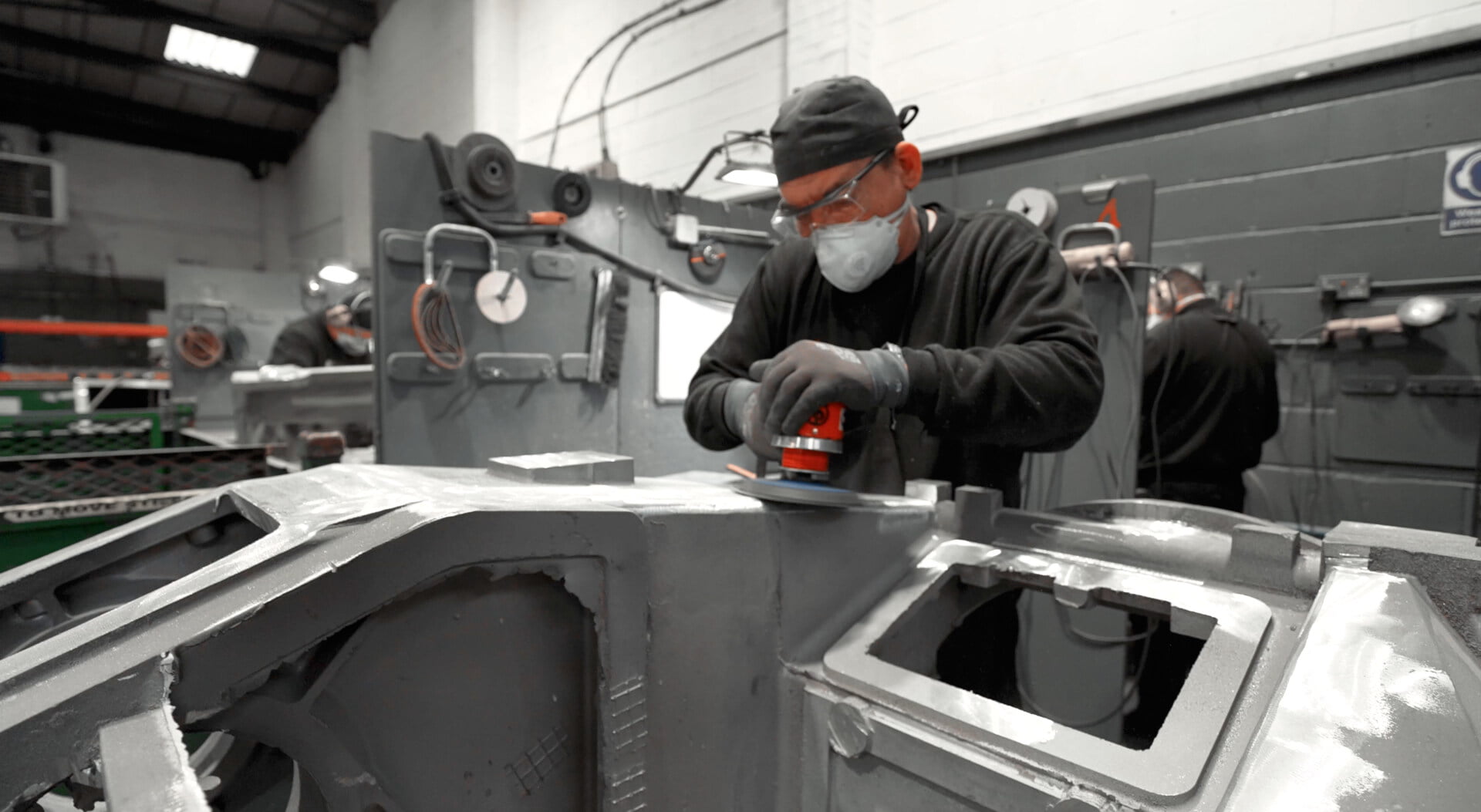
During filming, ask experienced staff to explain what they are looking for as they work. Close-up shots can show indicators, tooling positions and product details, while wider shots preserve the relationship between the task and the surrounding line. This combination gives a new colleague both the action and the reasoning that makes the action reliable.
Build a reference that works across shifts
Short, purposeful sequences are easier to use than one long training film. A series might cover the normal start-up, a quality check, a safe response to a minor variation and the handover points that need to be recorded. Each section should have a clear beginning and end so a supervisor can direct a colleague to the relevant moment without searching through an hour of footage.
The production approach should also reflect the working environment. Authentic sound, visible controls and real operators can make the material more credible, provided filming is planned around safety, privacy and production demands. Clear captions and simple on-screen labels help the same footage support mixed-experience teams, night shifts and colleagues who may not have English as their first language.
Connect video with standard work
Video becomes more valuable when it sits alongside the documents and conversations already used by the factory. Link each sequence to the relevant work instruction, inspection record or learning module, and agree who owns updates when a machine, material or process changes. This keeps the film from becoming an isolated archive and turns it into part of the operating system.
It can also reinforce shared standard work by showing the expected method in a real setting rather than an abstract diagram. For teams working through a new line or product introduction, footage can sit beside operator training resources and provide a common visual starting point for questions.
Make handovers more consistent
A shift handover is a compressed moment: people need to communicate what happened, what is outstanding and what the next team should watch. A concise video reference can support that conversation by showing the correct condition of a setup, the location of a check or the visual difference between an acceptable and unacceptable result. It gives teams something specific to point to when terminology varies between departments.
When a recurring issue is identified, the footage can be reviewed with production, quality and maintenance colleagues together. That makes it easier to separate a training gap from a design problem, unclear documentation or an equipment fault. It also creates a practical record for improvement discussions without relying on someone’s memory of an event several weeks earlier.
Keep the knowledge current
Every knowledge-transfer library needs an owner and a review trigger. Set a review date, record the process version, and flag footage for replacement when equipment, controls, materials or safety requirements change. A simple naming convention and a short description of the audience for each clip can prevent old material being used by mistake.
The strongest result is a practical bridge between experience and repeatable practice. By filming the detail that experienced people notice, manufacturing video helps knowledge move across shifts, sites and new starters while keeping the human judgement at the centre of the process. For a broader approach to preserving expertise during expansion, see preserving knowledge during factory growth.