Industrial processes are often difficult to explain to people who have never stood beside the machinery. A production line may combine specialist equipment, skilled operators, quality checks and precise data at a pace that is obvious to an engineer but confusing to a new customer. Manufacturing video production turns that complexity into a clear, credible story.
The best films do more than show machines in motion. They help viewers understand what happens, why it matters and what makes the manufacturer capable of delivering consistent results. Achieving that clarity depends on careful preparation, informed filming and an edit built around the audience rather than internal terminology.
Start with the viewer’s most important question
Before planning shots, decide what the intended viewer needs to understand. A procurement team may want evidence of capacity, repeatability and quality control. A technical buyer may care about tolerances, materials and process advantages. Prospective employees may be more interested in working conditions, training and the people behind the operation.
Choosing one primary audience keeps the film focused. It also prevents the common mistake of trying to explain every department, product and capability in a single video. A concise message gives each image a clear purpose and helps contributors speak naturally.
Production planning should also account for access, noise, shift patterns and sensitive areas. Our guide to planning a manufacturing video shoot explains how preparation can protect output while still giving the crew the access needed for strong footage.
Break the process into a simple visual sequence
A complex operation becomes easier to understand when it is divided into logical stages. That might mean following raw material through preparation, forming, finishing, inspection and dispatch. It could instead follow a component from design approval to final assembly. Establishing the sequence before filming makes the finished story feel effortless.
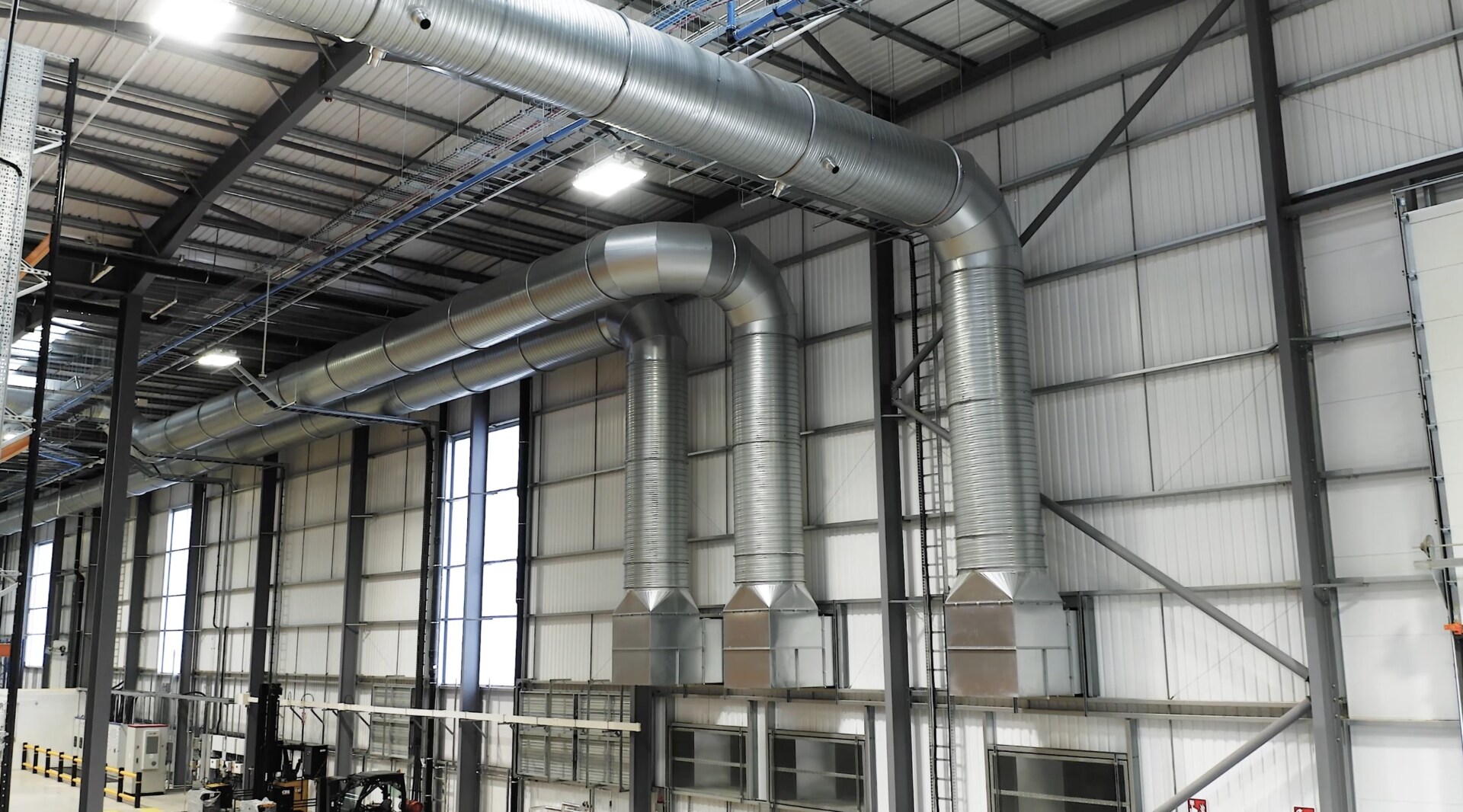
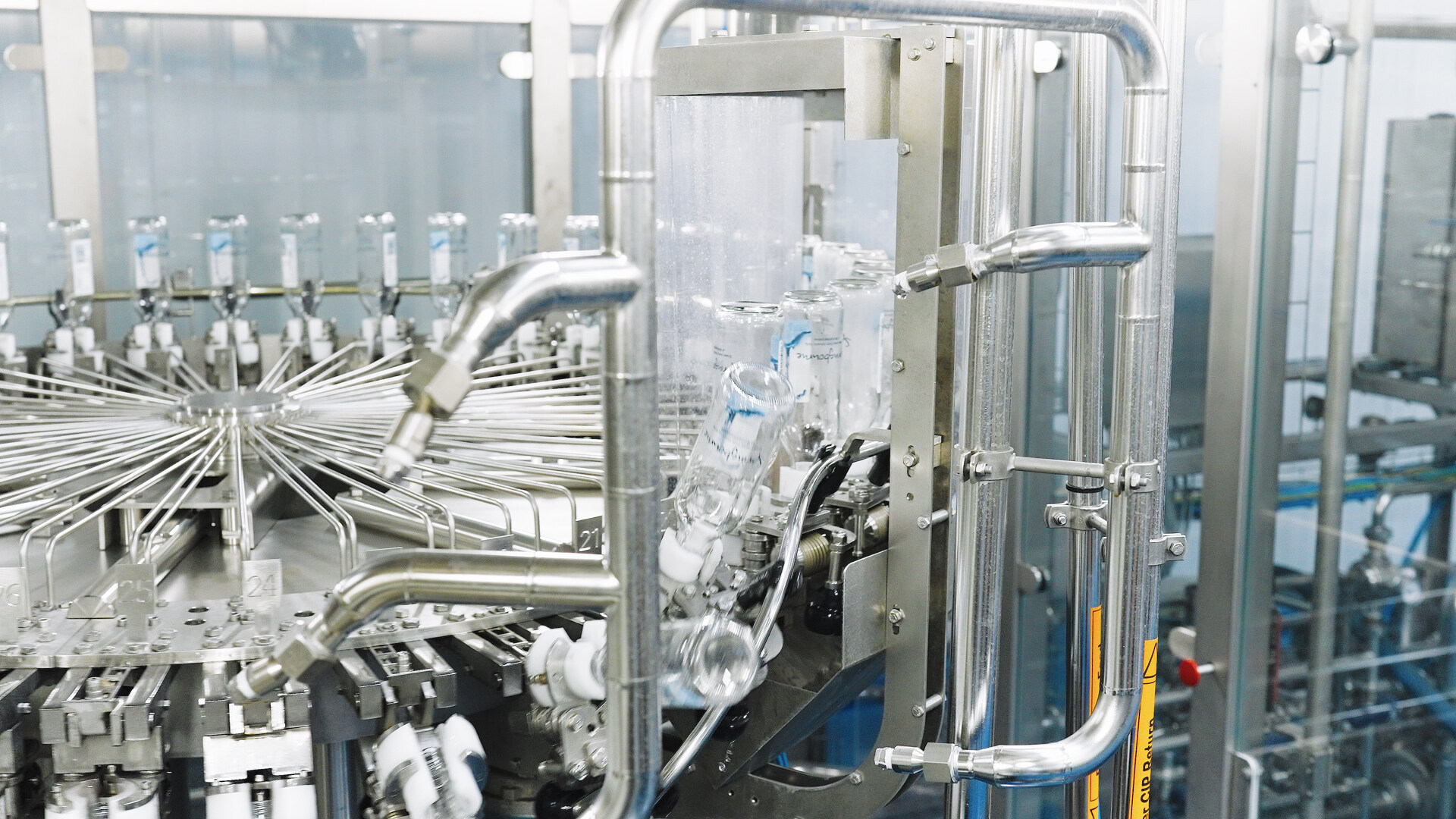
Wide shots provide context by showing where each stage happens. Medium shots explain how people and machinery interact, while close-ups reveal important details such as tooling, measurements, surface finishes and control interfaces. Used together, these perspectives let the viewer build a mental map of the process without being overwhelmed.
Not every technical step needs a spoken explanation. A well-chosen shot can often communicate speed, precision or scale more effectively than a long interview answer. Graphics and concise captions can clarify figures, tolerances or process names when the images alone are not enough.
Use people to translate technical expertise
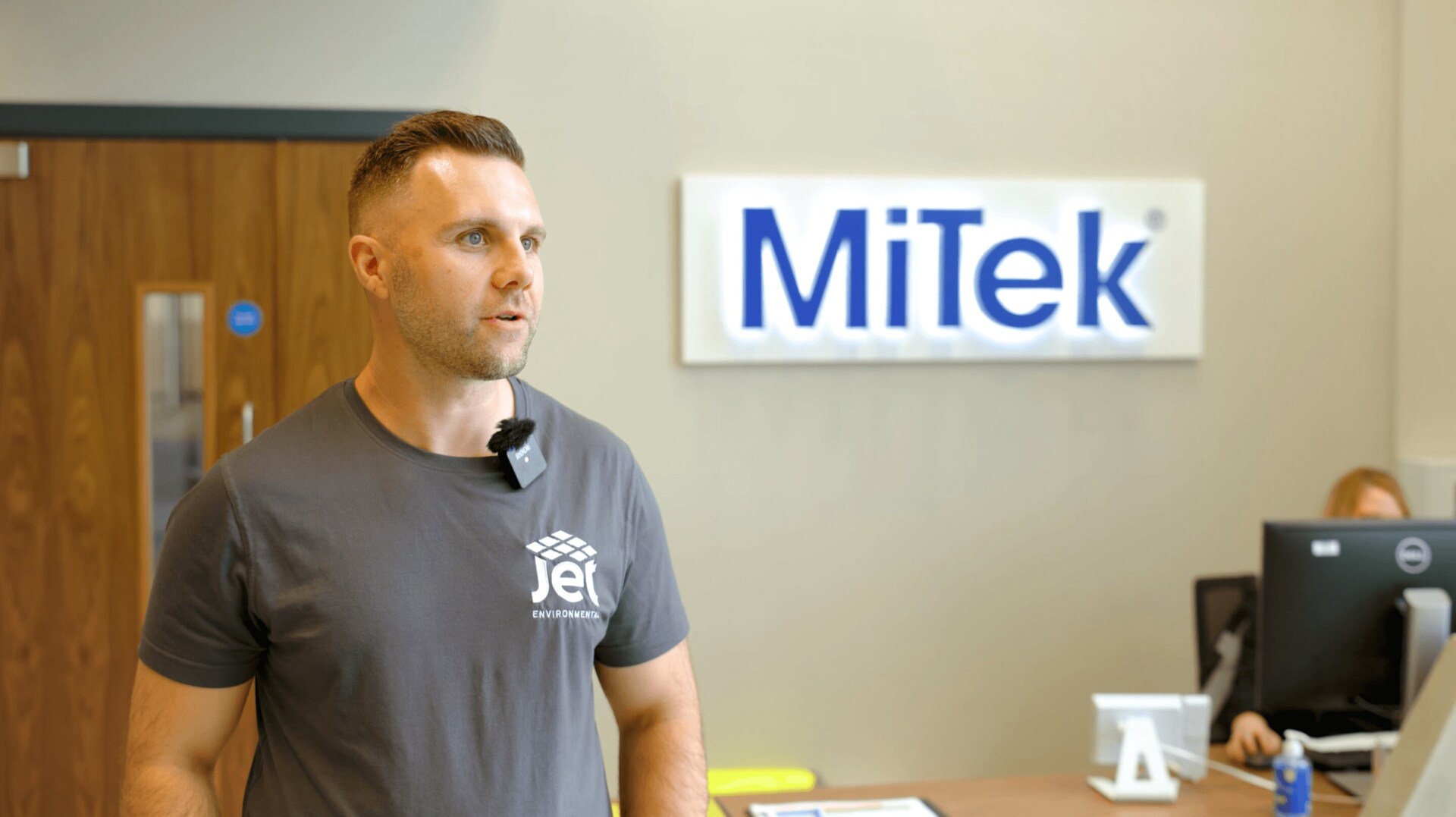
Operators, engineers and quality specialists bring authority because they work with the process every day. Short, well-prepared interviews can explain why a particular method is used, how consistency is maintained or what happens when a customer presents an unusual requirement.
The strongest contributions sound conversational rather than rehearsed. Instead of memorising a script, contributors can answer focused questions in their own words. Their answers can then be combined with relevant production footage, allowing the audience to see the evidence while hearing the explanation.
Customer perspectives can add another layer of credibility. A focused manufacturing video case study connects technical capability to a real commercial outcome and helps prospects imagine how the same expertise could solve their own problem.
Show proof instead of relying on claims
Manufacturers often describe themselves using similar words: experienced, innovative, reliable and quality focused. Video becomes persuasive when it replaces broad claims with visible proof. Calibrated instruments, traceability systems, organised work areas, documented checks and skilled handling all make those qualities tangible.
Details matter here. A close-up of an inspection result, an operator completing a check or a component moving cleanly through a controlled stage can support a claim without slowing the narrative. Filming authentic activity also produces a more convincing result than staging actions that do not reflect normal production.
Safety and confidentiality should be considered during the recce. Screens, drawings, customer names and proprietary components can often be avoided through shot selection or temporarily covered. This is easier and more reliable than trying to remove sensitive details after filming.
Edit for clarity, pace and multiple uses
The main edit should lead the viewer through the process with a clear beginning, middle and conclusion. A strong opening establishes the outcome or capability quickly. The middle provides evidence and explanation, while the ending gives the audience a sensible next step, such as discussing a project or exploring a related service.
Pacing should reflect the subject. Rapid cutting may suit high-speed automation, while slower shots can help viewers appreciate complex machining, careful assembly or detailed inspection. Natural factory sound can add energy and authenticity, but speech must remain clear and music should support rather than dominate the story.
A planned shoot can also supply shorter versions for sales presentations, recruitment, exhibitions and manufacturing videos for social media. Capturing these needs at the outset creates a useful library of footage and improves the return from one production day.
Make technical understanding the measure of success
A manufacturing film succeeds when the right viewer understands the capability and trusts the people delivering it. Beautiful footage supports that goal, but clarity comes first. Every interview, shot, caption and graphic should help the audience follow the process or recognise its value.
By defining the audience, structuring the operation into visual stages and showing credible evidence, manufacturers can turn complicated technical work into an accessible story. The result is a film that supports sales conversations, strengthens confidence and continues explaining the business long after the cameras leave the factory.