Production training is often judged by whether someone can complete a task safely and consistently, but the assessment process can be difficult to observe at scale. A written checklist may confirm that a step was discussed without showing how the operator applied it on the line. Manufacturing video gives supervisors a practical way to capture the standard, the decision points and the evidence that a person has understood the work.
Show the standard before assessing the person
A useful assessment starts with a clear reference point. A short sequence can show the correct hand position, machine checks, material checks and escalation route before a trainee is asked to demonstrate the task. This makes the conversation more specific: the assessor can discuss what happened against an agreed process rather than relying on memory or informal explanations. It also helps new starters understand why each action matters, not just which buttons to press.
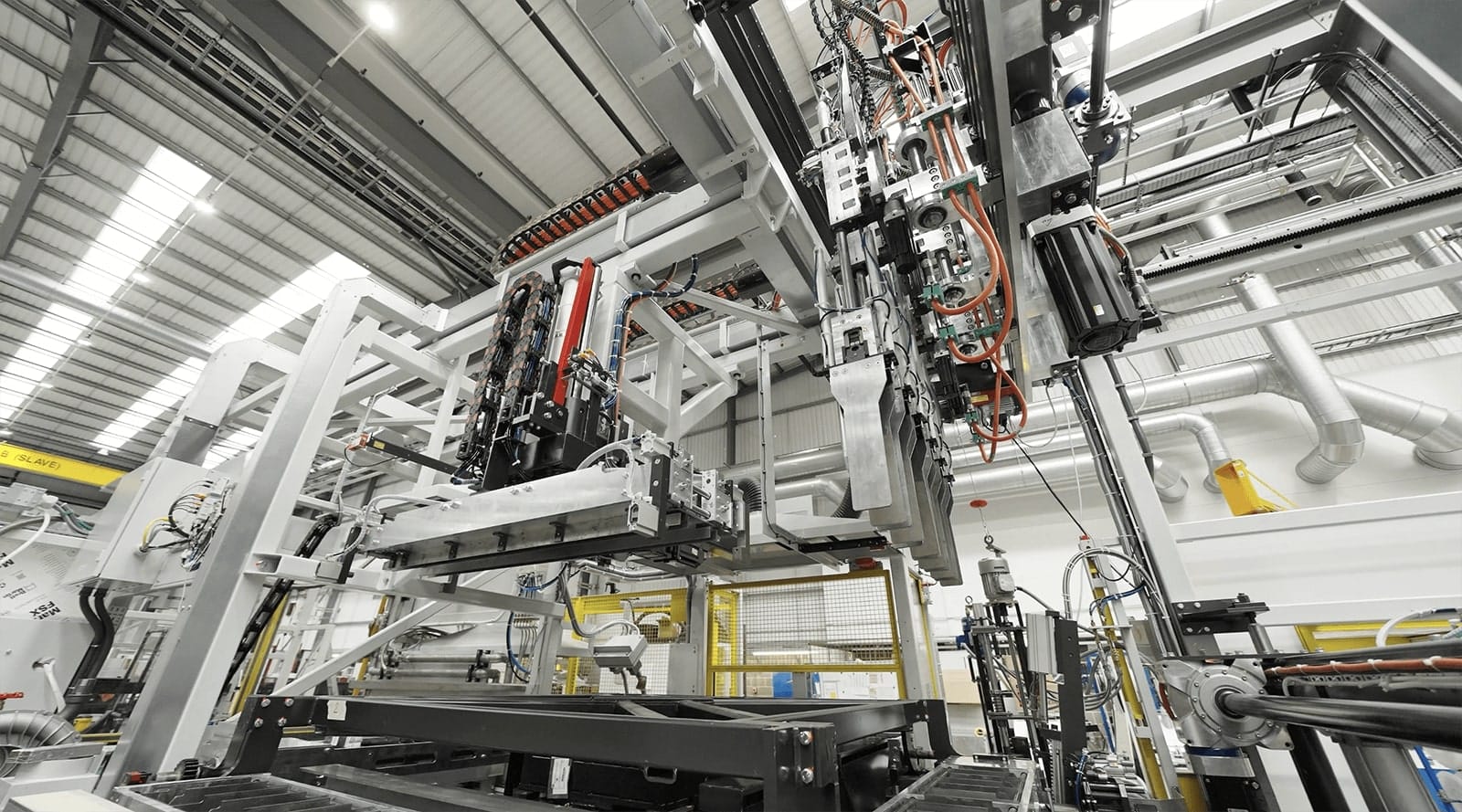
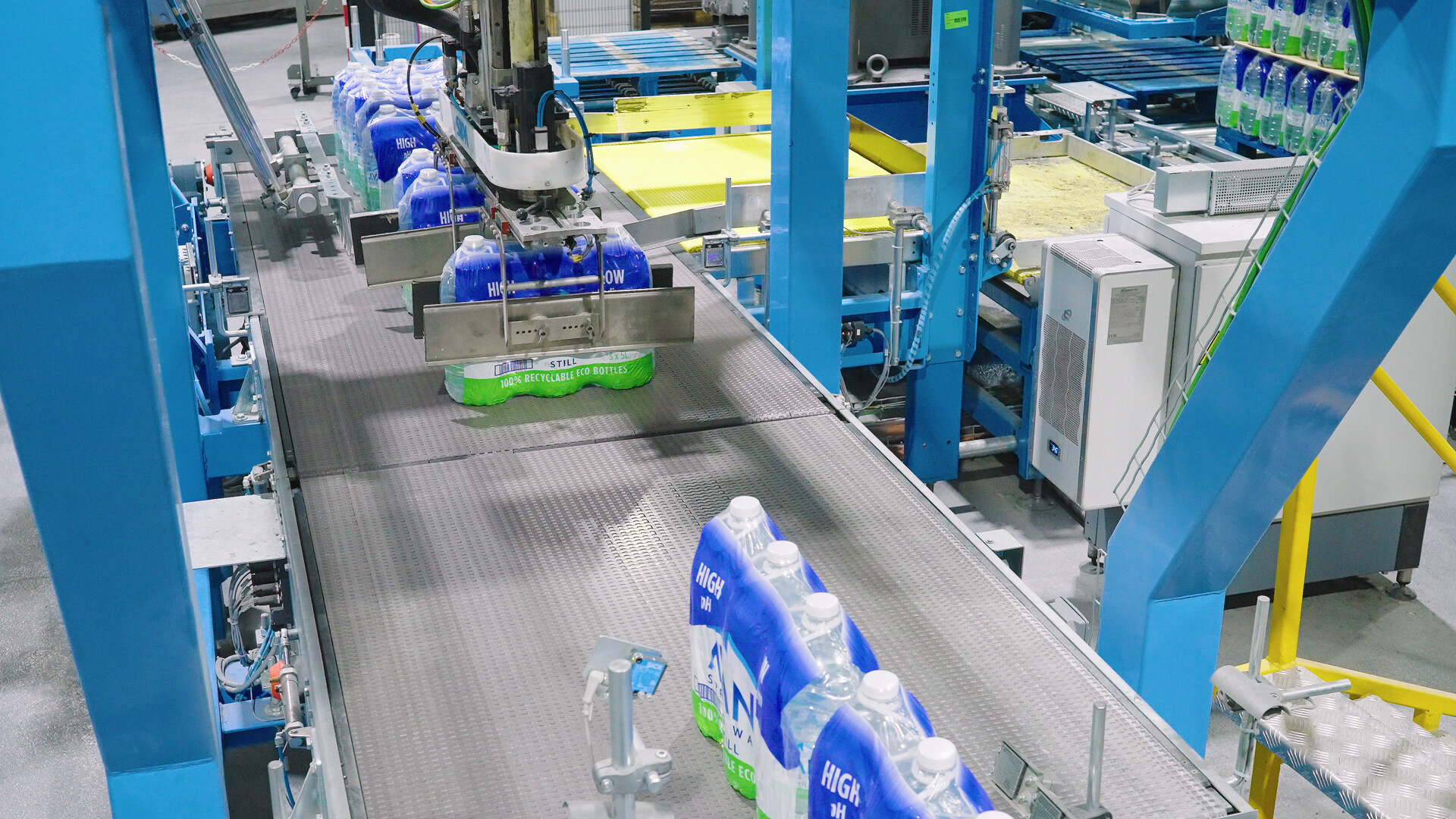
The strongest training assessment films are built around real work, with sensible protection for confidential information and safety-critical areas. Planning the shoot around live operations is essential, especially where filming must fit around production windows and restricted zones. A well-prepared manufacturing video shoot can gather the right evidence without turning the assessment into a staged performance.
Capture decisions, not just movements
Competence is rarely about repeating a sequence mechanically. Operators also need to recognise abnormal conditions, pause when a parameter is outside tolerance and communicate the issue to the right person. Video can preserve those decision points through a combination of close detail, wider context and carefully chosen interviews. Captions or simple graphics can make a limit, inspection point or hold condition visible without interrupting the flow of the demonstration.
That evidence is particularly valuable when training is shared between shifts. A supervisor can review a recorded demonstration with a trainee, pause at a critical moment and ask what should happen next. The same clip can then support a repeat assessment later. When the subject is complex, clear visual explanation of a manufacturing process helps different assessors use the same language and focus on the same risks.
Build an assessment library that stays useful
One recording can support more than a single sign-off. Break the finished material into short chapters for preparation, operation, quality checks, cleaning and escalation. Keep the original full sequence as a reference, then create shorter versions for refresher training and targeted reassessment. Naming clips consistently makes it easier for supervisors to find the right example when a process changes or a recurring question appears.
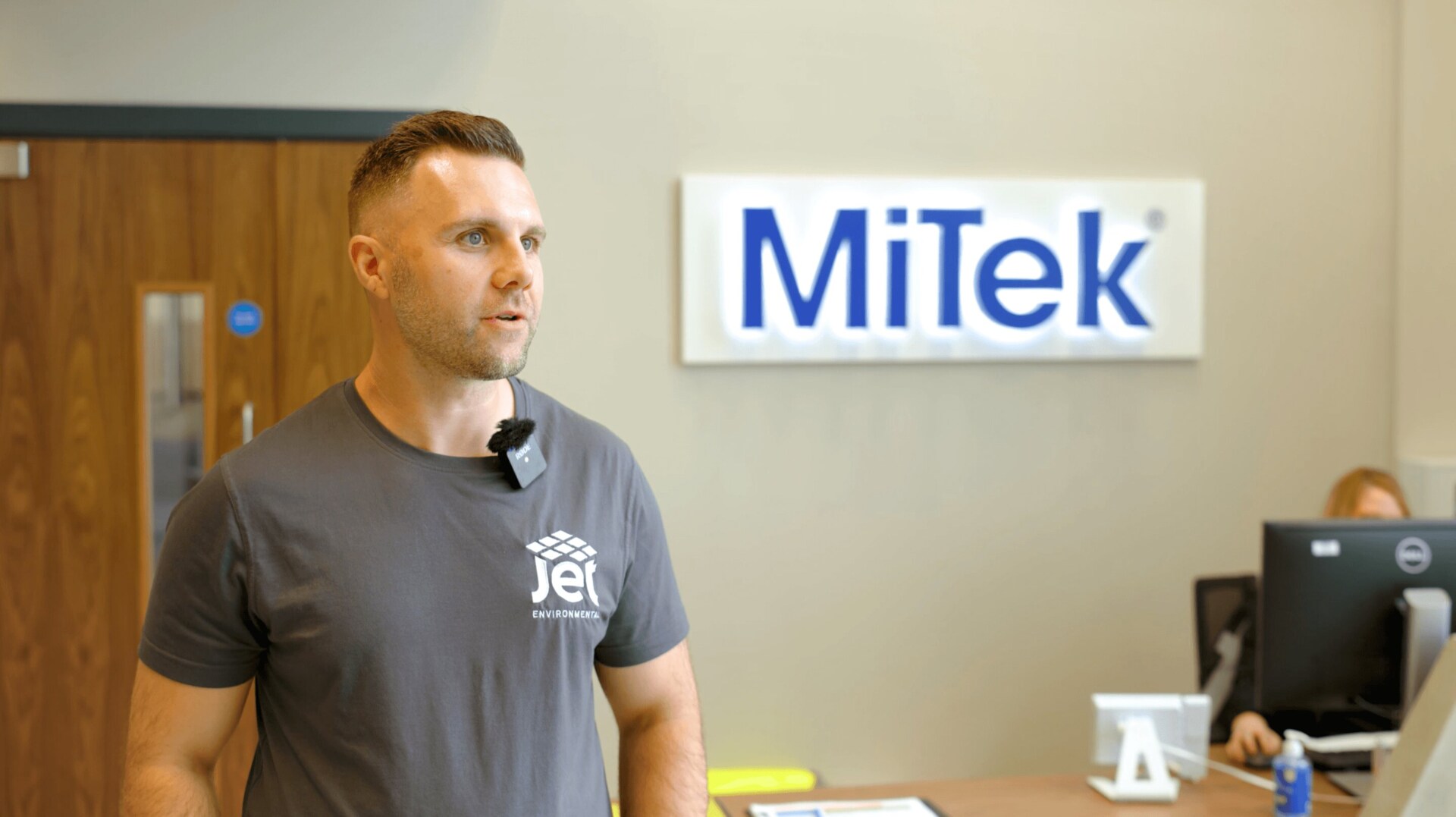
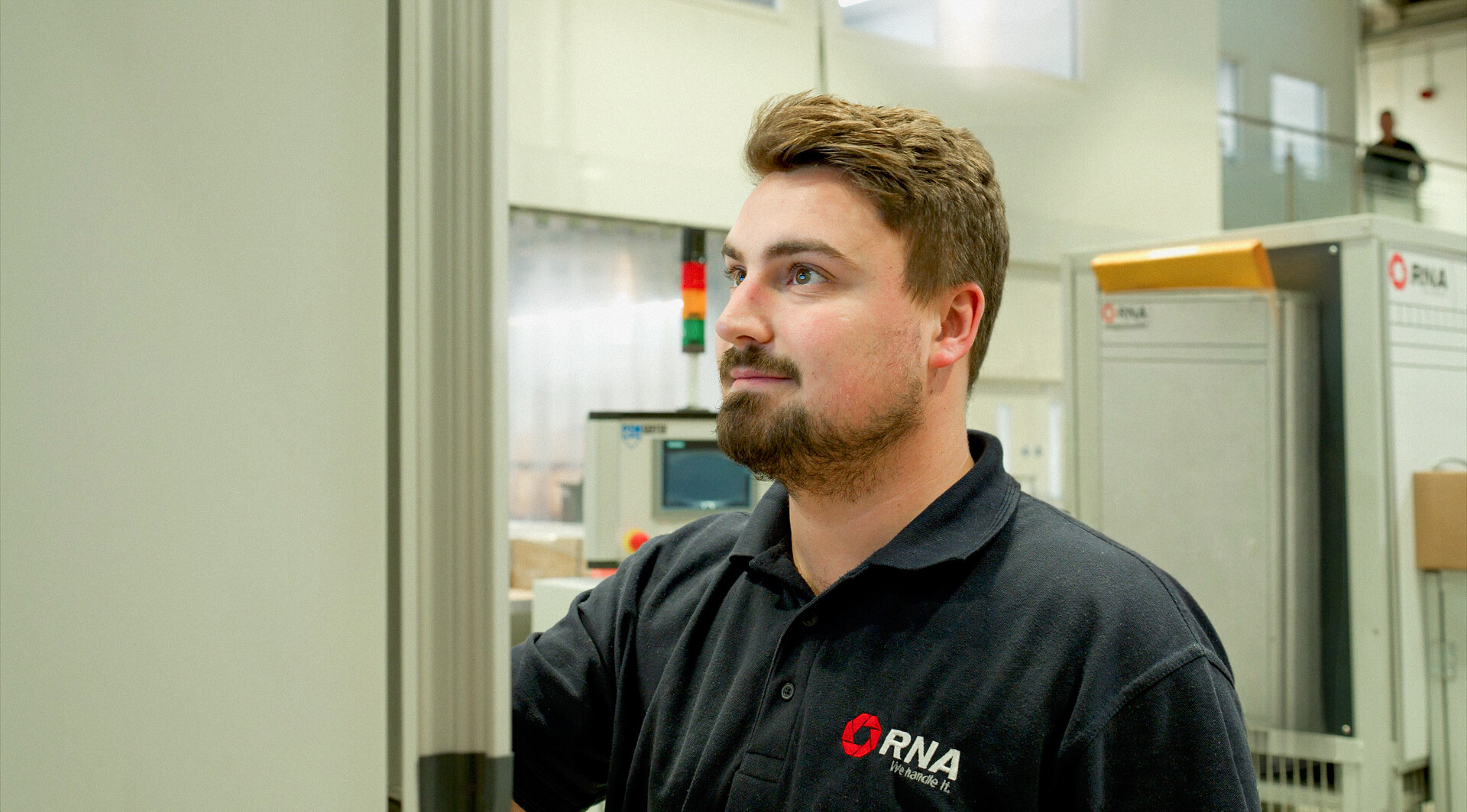
It is also worth recording the reasoning of experienced operators while their knowledge is current. A concise interview can explain common failure modes, useful visual cues and the point at which an apparently minor variation needs attention. Choosing contributors carefully improves trust and relevance; guidance on choosing the right people to feature in a manufacturing video can help teams balance technical authority with clear communication.
Use video as evidence within a fair process
Video should support an assessment framework rather than replace it. Pair each clip with observable criteria, a version date and a clear route for recording questions or corrective coaching. Give trainees a chance to explain their decisions, and make sure the assessment reflects the conditions in which the job is genuinely performed. With that structure in place, manufacturing video can make training assessments more consistent, easier to revisit and more useful for continuous improvement.