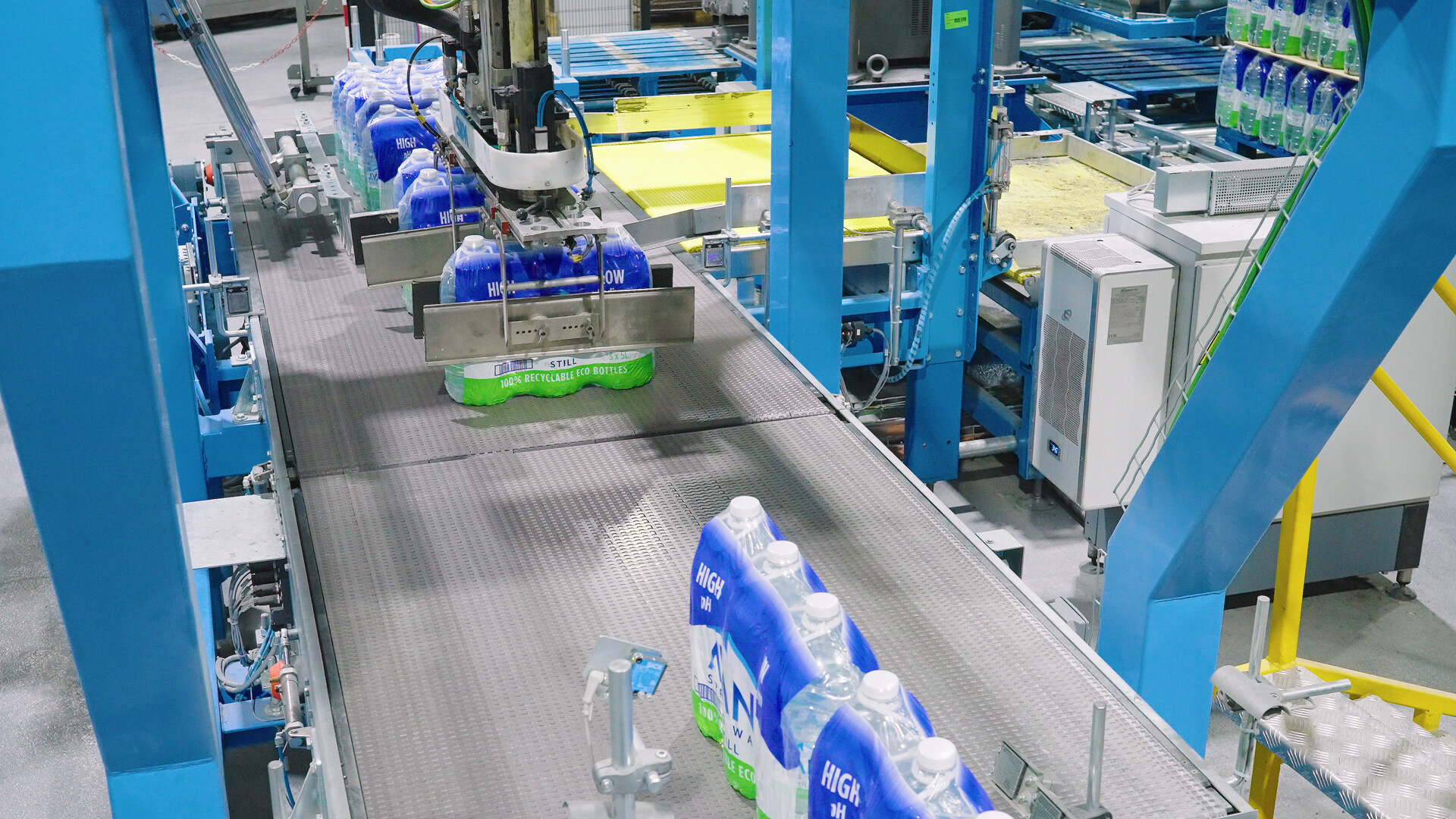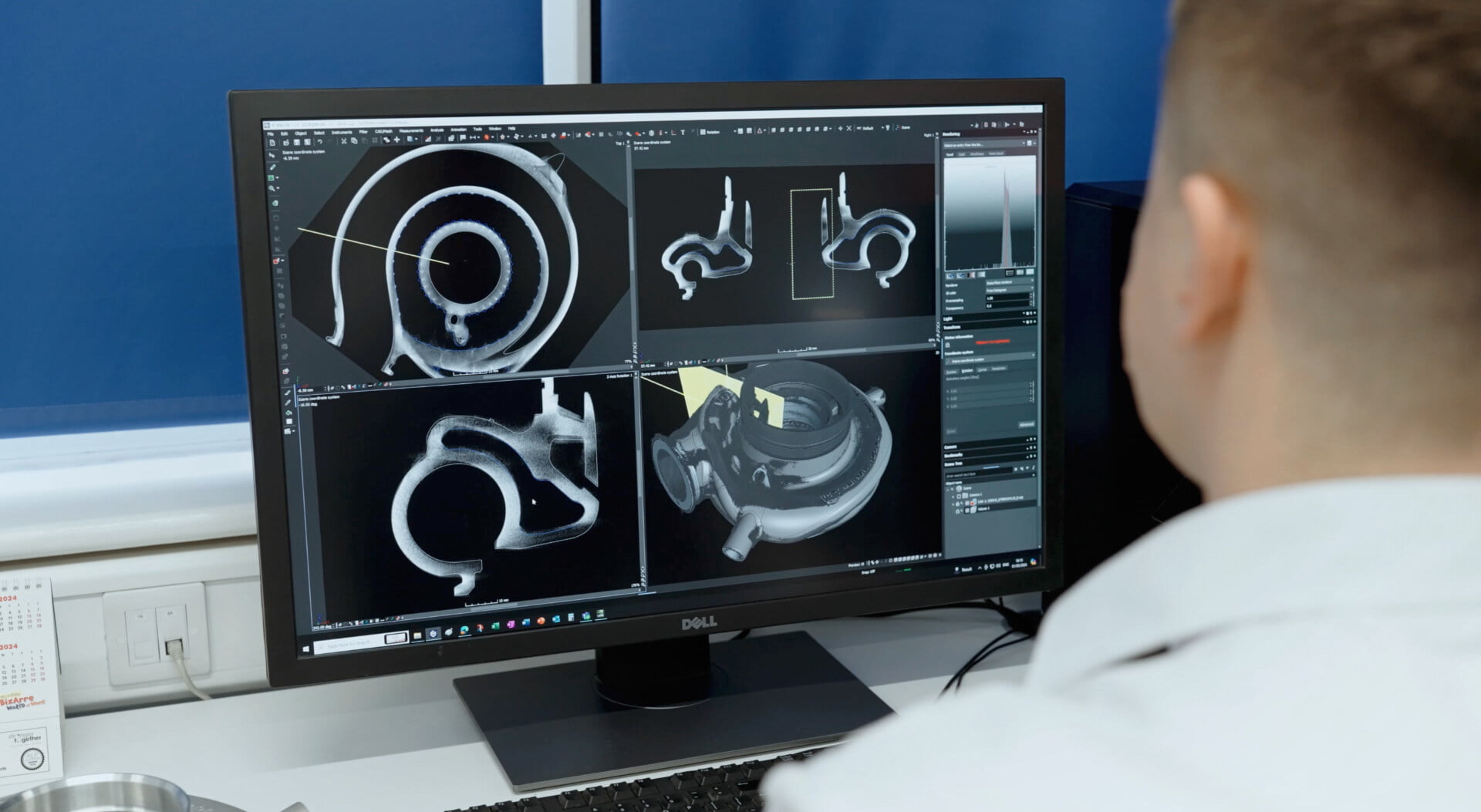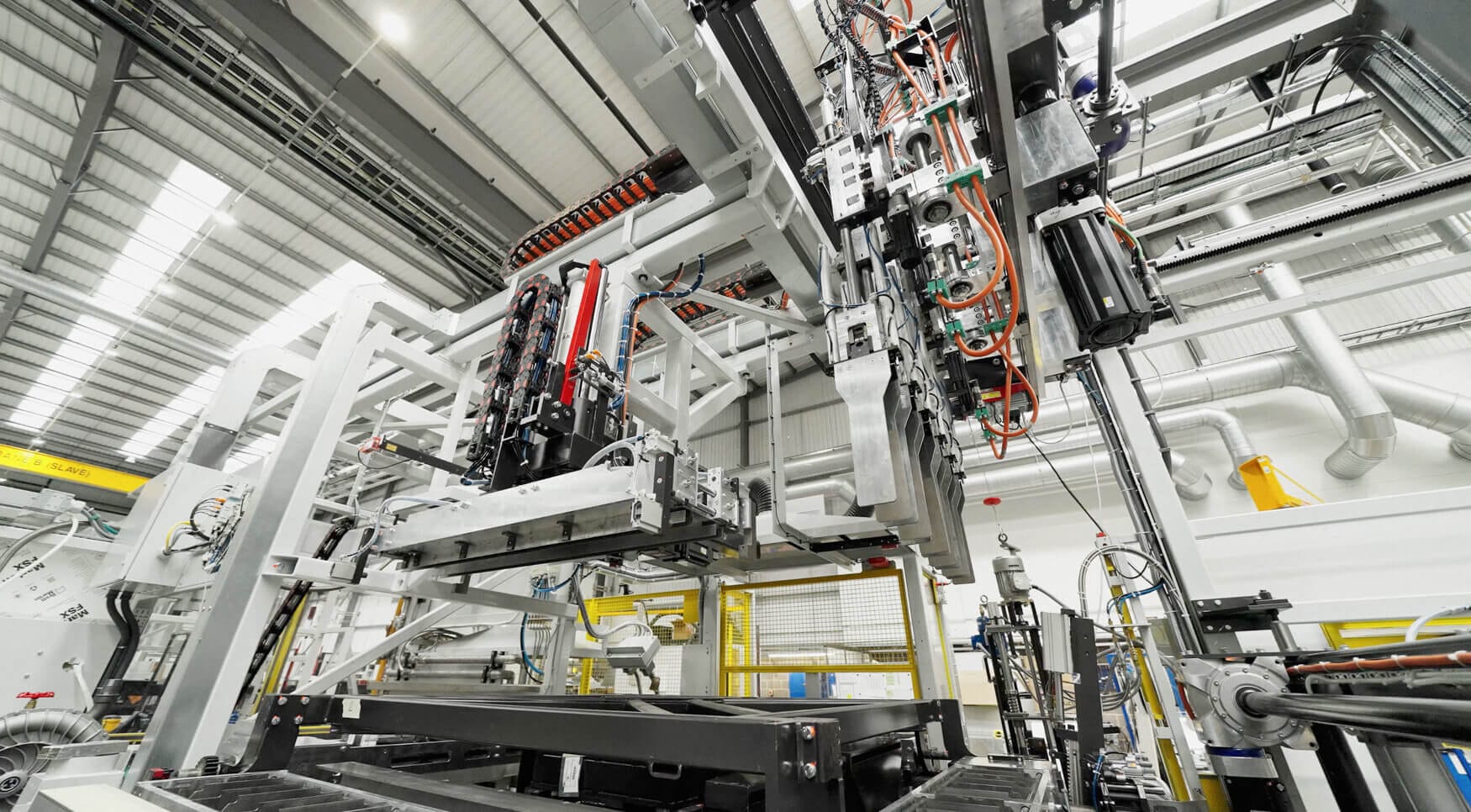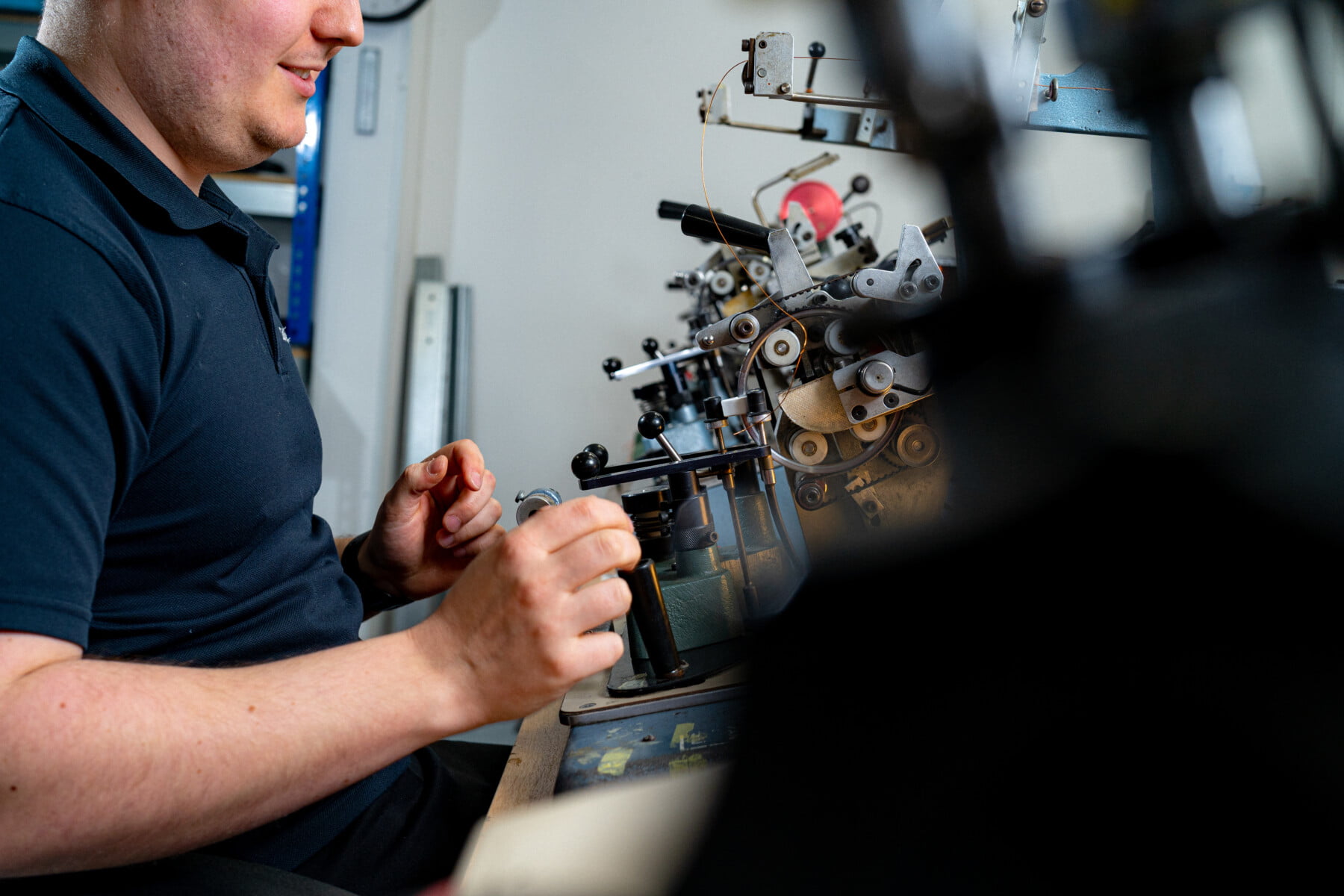
Production runs create a useful concentration of evidence: operators are working through the real process, equipment is being tested under meaningful conditions, and decisions are being made with limited time. Yet the review that follows can still depend on scattered notes, partial photographs and memories that differ between departments. Manufacturing video gives teams a shared record of what happened, what changed and where attention is needed next.
Capture the run as a sequence, not a collection of clips
A useful production run review begins before the camera starts. Define the question the review needs to answer, then record the sequence that can answer it: preparation, setup, first output, adjustments, checks and handover. Wide shots establish the relationship between people, equipment and material flow, while closer views show controls, fixtures, labels and product detail. This structure makes the footage easier to navigate and stops the final edit becoming a disconnected highlight reel.
It is also important to record the conditions around the run. A short explanation from the operator can identify why a setting was changed or why a particular check mattered. On-screen captions can add batch context, timestamps or a concise note about the intended standard without interrupting the work. When the same visual language is used across runs, reviewers can compare like with like rather than debating what each clip represents.
Turn footage into decisions the team can defend
The purpose of a review is not simply to prove that a run took place. It is to make decisions more precise. An edited sequence can show where the process departed from the planned method, whether an intervention solved the issue, and what still needs confirmation. Teams can pause on a moment, add a time reference to a review note and assign an action with much less ambiguity than they would have from a written description alone.
This approach works particularly well when a review includes people who were not on the factory floor. A production, engineering or customer-facing colleague can understand the context without relying on a second-hand account. It also complements a broader review of production trials, because the same footage can show both the planned test and the practical conditions in which it was carried out.
Build a repeatable review library
One run can be useful; a disciplined series of runs becomes an operational reference. Name and organise the finished videos around the line, product, date and review purpose. Keep the full record available for technical users, then create shorter versions for daily meetings, training or supplier conversations. Over time, the library can reveal recurring delays, repeated workarounds and improvements that are difficult to see when every run is discussed in isolation.
Manufacturing video should support the review process rather than replace technical judgement. Agree who owns the footage, how sensitive information is handled and which version is the approved reference. With that structure in place, video can strengthen production readiness reviews by giving the team visible evidence for open points, while a clear action list keeps the conversation focused on what happens next.
When a run exposes a bottleneck, the record can also help the team frame the issue before escalating it. Showing the actual point of constraint, the preceding conditions and the effect on output makes a discussion more constructive. That gives production constraint reviews a stronger starting point and helps decision-makers understand whether the response should be a process change, an equipment adjustment or a further test.