Factory instructions are often written with good intentions but still leave room for interpretation. A sentence can make sense to the person who created it while remaining unclear to a new operator, a colleague on another shift or a supplier working from a different level of experience. Manufacturing video can close that gap by showing what the words mean in the real working environment.
The strongest instructional videos do not try to replace every document or standard. They add practical context: where to stand, what to check first, what a normal result looks like and when to stop and escalate. That combination of spoken explanation and visible evidence makes important knowledge easier to share consistently.
Show the task in its real context
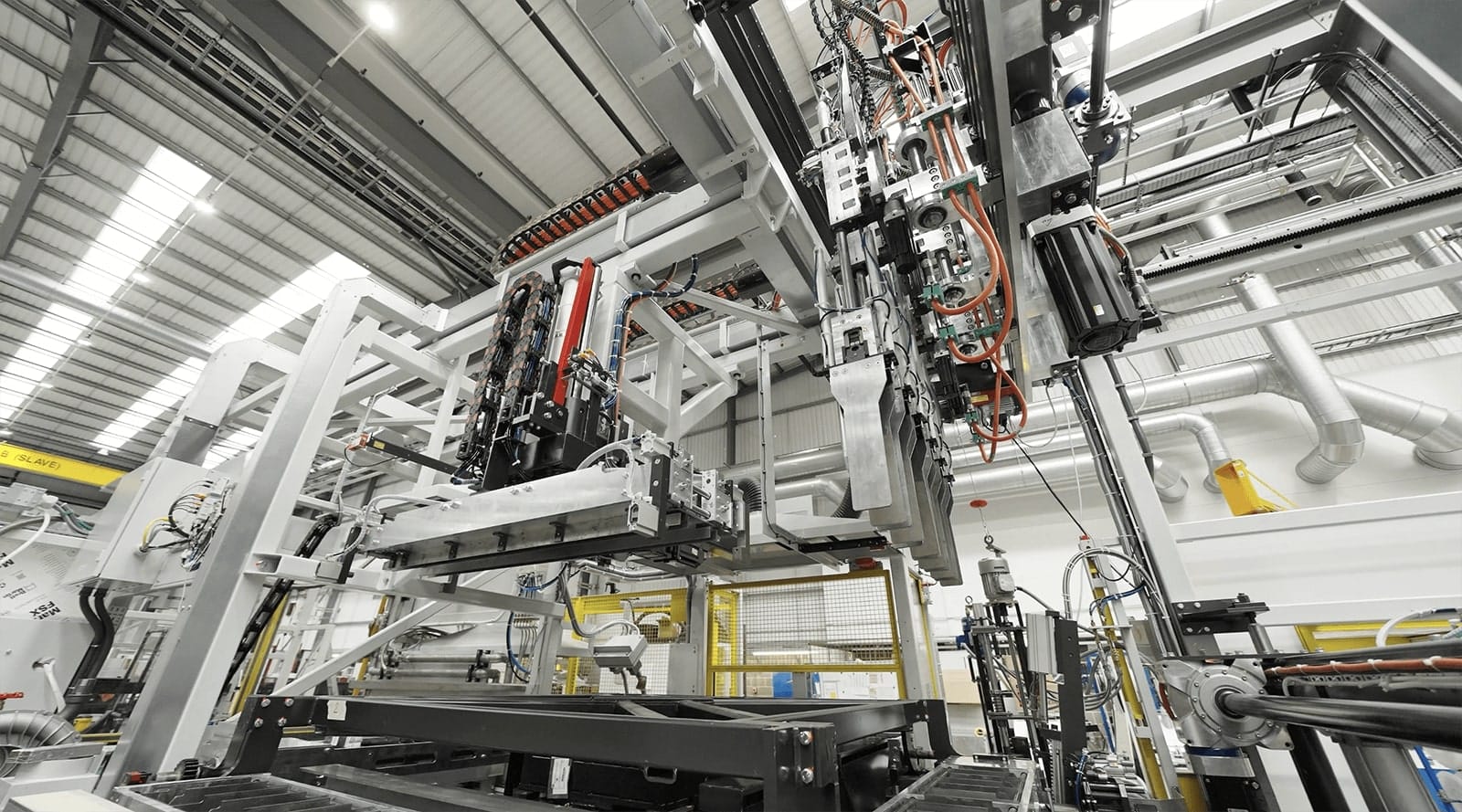
Instructions become more useful when viewers can see the surrounding conditions. Film the machine, tools, materials, labels and access points that an operator will actually encounter. A close-up can explain a control, while a wider shot shows how the task fits into the line. This is especially valuable when a process involves several hand-offs or depends on the order of small actions.
Plan the shoot around the way people move through the work rather than around a list of talking points. A short recce can reveal obstructions, noise, safety boundaries and opportunities to capture a clean demonstration. The result is more grounded than a staged explanation away from the line, and it can complement what a factory recce reveals before a manufacturing video shoot.
Make standards visible
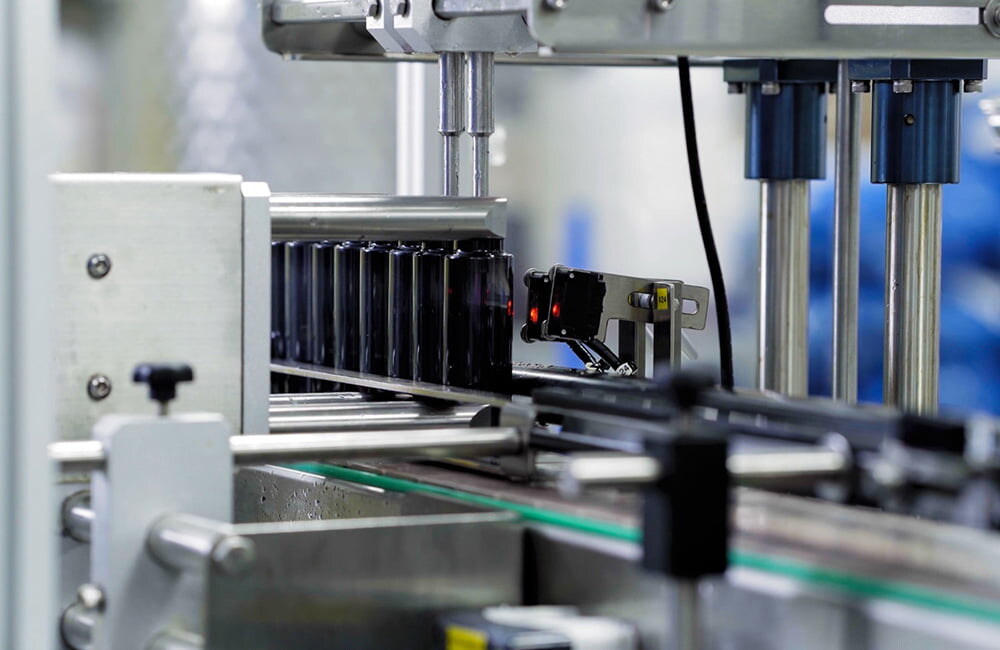
Many instructions rely on phrases such as “tighten securely”, “align correctly” or “check for damage”. Those phrases are hard to apply consistently without a reference. Video can show the correct position, the acceptable range and the visual clues that indicate a problem. Use deliberate framing, measured demonstrations and on-screen labels where they remove doubt.
When a quality decision matters, include the evidence that supports it. Showing a finished result beside a common defect helps people recognise the difference without turning the film into a lecture. The same principle applies to equipment care: a clear demonstration can reinforce equipment maintenance guidance while keeping the focus on the actual asset and its working conditions.
Design for different levels of experience
A useful factory instruction should work for someone learning the task and remain efficient for someone who performs it every day. Keep the main sequence linear, then use concise callouts for details that experienced viewers can scan. Avoid filling the frame with jargon or assuming that every viewer knows why a check matters.
Interviews with operators, supervisors and engineers can uncover the points where instructions are most often misunderstood. Their comments can shape the script, the order of shots and the escalation cues. Including the people who carry out the work also makes the finished video feel practical rather than imposed from outside, much like a well-planned approach to operator training.
Keep the video easy to update
Processes change when equipment, materials or specifications change. Record demonstrations in modular sections so that one revised step does not force a complete reshoot. Keep names, model numbers and time-sensitive figures in replaceable graphics where appropriate, and maintain a simple version label so teams can tell whether they are watching the current instruction.
Before release, ask a person unfamiliar with the task to follow the video and note every point where they hesitate. That test exposes missing context more reliably than a review by the people who already know the process. After launch, gather questions from each shift and use them to decide which sections need clarification.
Use video to turn wording into shared understanding
Manufacturing video is most effective when it makes an instruction observable. It gives teams a common reference for sequence, quality and safe working, while leaving formal procedures and records in their proper place. By filming the real task, defining what good looks like and designing for future updates, manufacturers can reduce ambiguity without adding unnecessary complexity to the workflow.