Technical buyers want confidence before they commit to a conversation. They need to understand what a product does, how it is made, and whether the supplier can deliver consistently. For a manufacturing business, a well-planned video can bring those answers together without forcing a sales engineer to repeat the same explanation in every meeting.
Show the evidence behind the promise
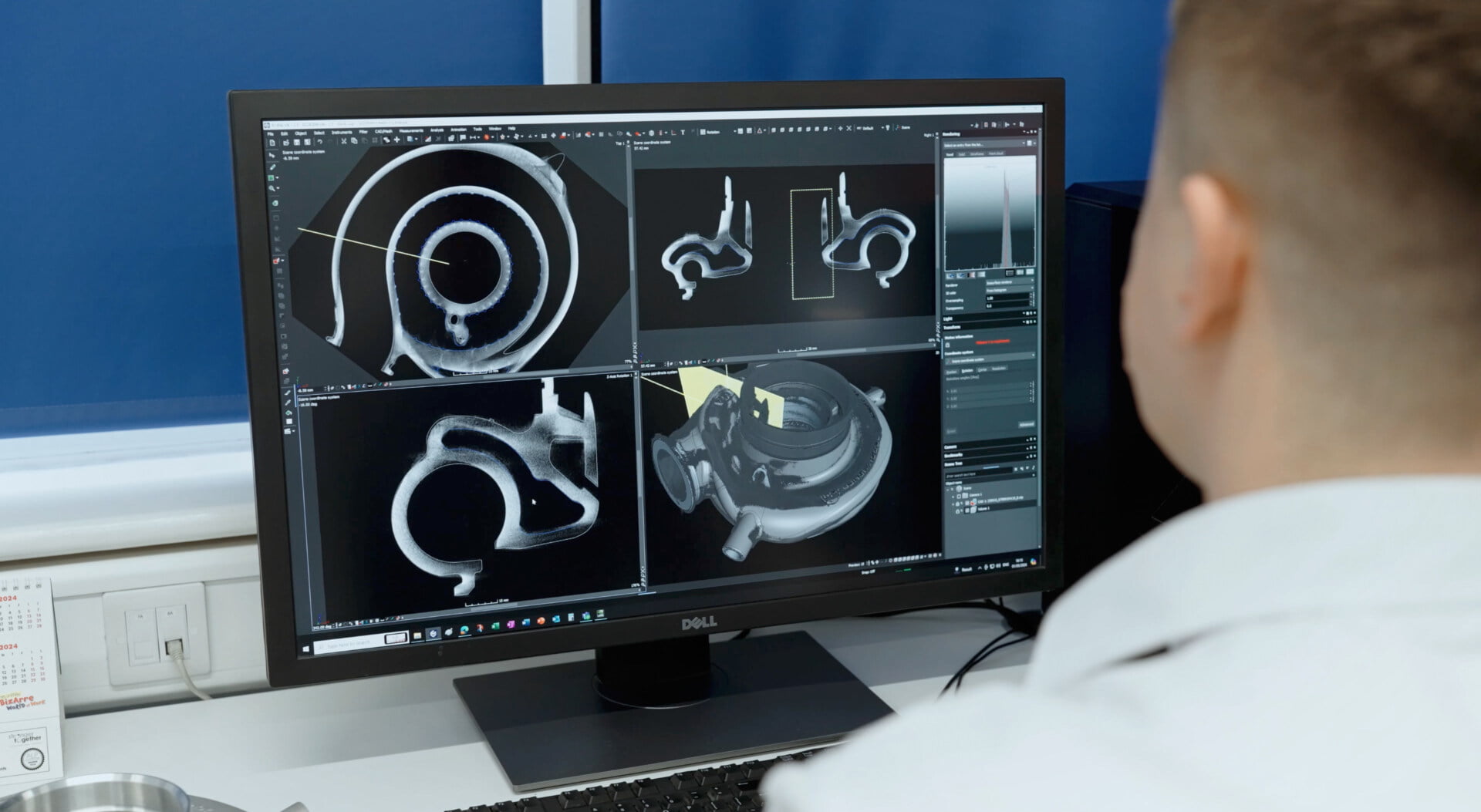
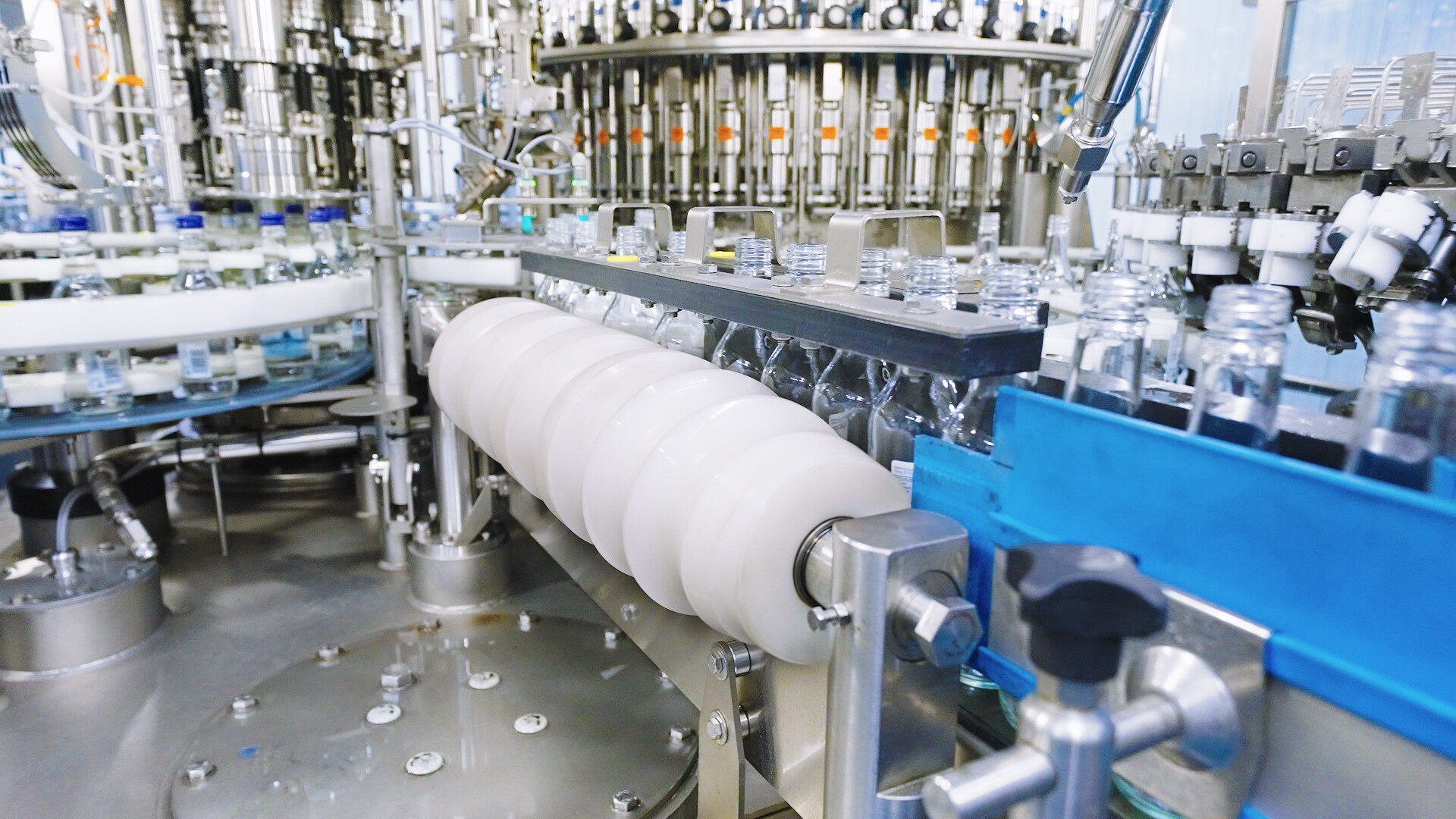
Technical sales content works best when it is grounded in observable detail. Film the relevant production stages, inspection points, material handling, testing routines, and the people responsible for them. The aim is not to turn the factory into a showroom; it is to make capability easier to judge. A viewer should come away knowing which parts of the process matter and why they support the final result.
This is particularly useful when a product involves automation, specialist tolerances, or a long chain of checks. A concise sequence can establish context before a sales call, while close-up footage and clear narration can answer questions that are difficult to resolve with a brochure alone. It also gives prospects something practical to share with colleagues who were not in the original meeting.
Build a reusable sales asset
One technical sales video rarely needs to do every job. Plan a strong central film, then capture enough supporting footage to create shorter versions for proposals, email follow-ups, trade events, and product pages. Interviews can add the human explanation, but process footage should carry the proof. For guidance on getting more value from one production day, see turning one factory shoot into a year of video content.
Keep the structure easy to navigate: introduce the application, show the relevant manufacturing stage, explain the control or quality measure, and finish with the business outcome. On-screen labels can identify equipment or process steps without overwhelming the viewer. Where a buyer needs a deeper explanation, link the main film to a focused technical section rather than packing every detail into one long edit.
Make complex information easier to trust
Credibility comes from accuracy and restraint. Avoid claims that the footage cannot support, and confirm technical terminology with the people who run the process. If a sequence includes safety-critical work, agree the filming boundaries and review the edit before release. A responsible approach to filming protects both the workforce and the message; this is why safety-critical manufacturing work deserves its own planning.
Sound matters as well. A clean interview, a controlled voiceover, and carefully chosen natural factory sound can make the film feel immediate without making it noisy. If the footage will be watched by international prospects or shared without audio, captions and clear visual signposting become essential. Good sound planning in manufacturing video production supports comprehension as much as atmosphere.
Give sales teams a clear way to use it
Publish the finished film where prospects already look for evidence: the relevant product page, a proposal resource hub, a follow-up email, or a private link for a live opportunity. Add a short description explaining what the viewer will learn, and create cut-downs for the questions that arise most often. Sales teams should know which version to send at each stage of the buying journey.
The strongest technical sales video does not replace conversation. It improves the starting point for that conversation by making the factory, the process, and the people behind the result easier to understand. With a focused brief and a reusable capture plan, manufacturing video can become a practical part of sales enablement rather than a one-off piece of corporate content.