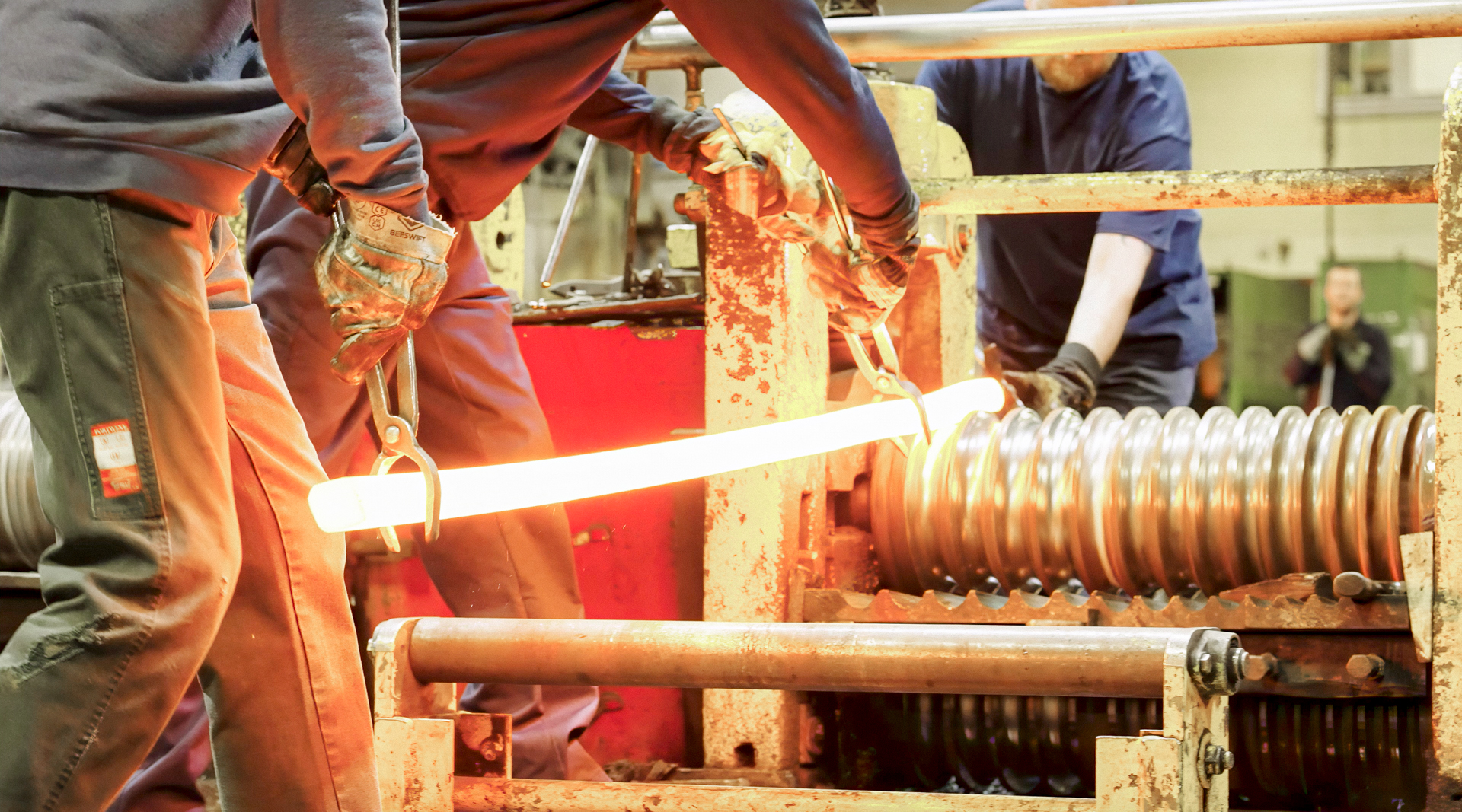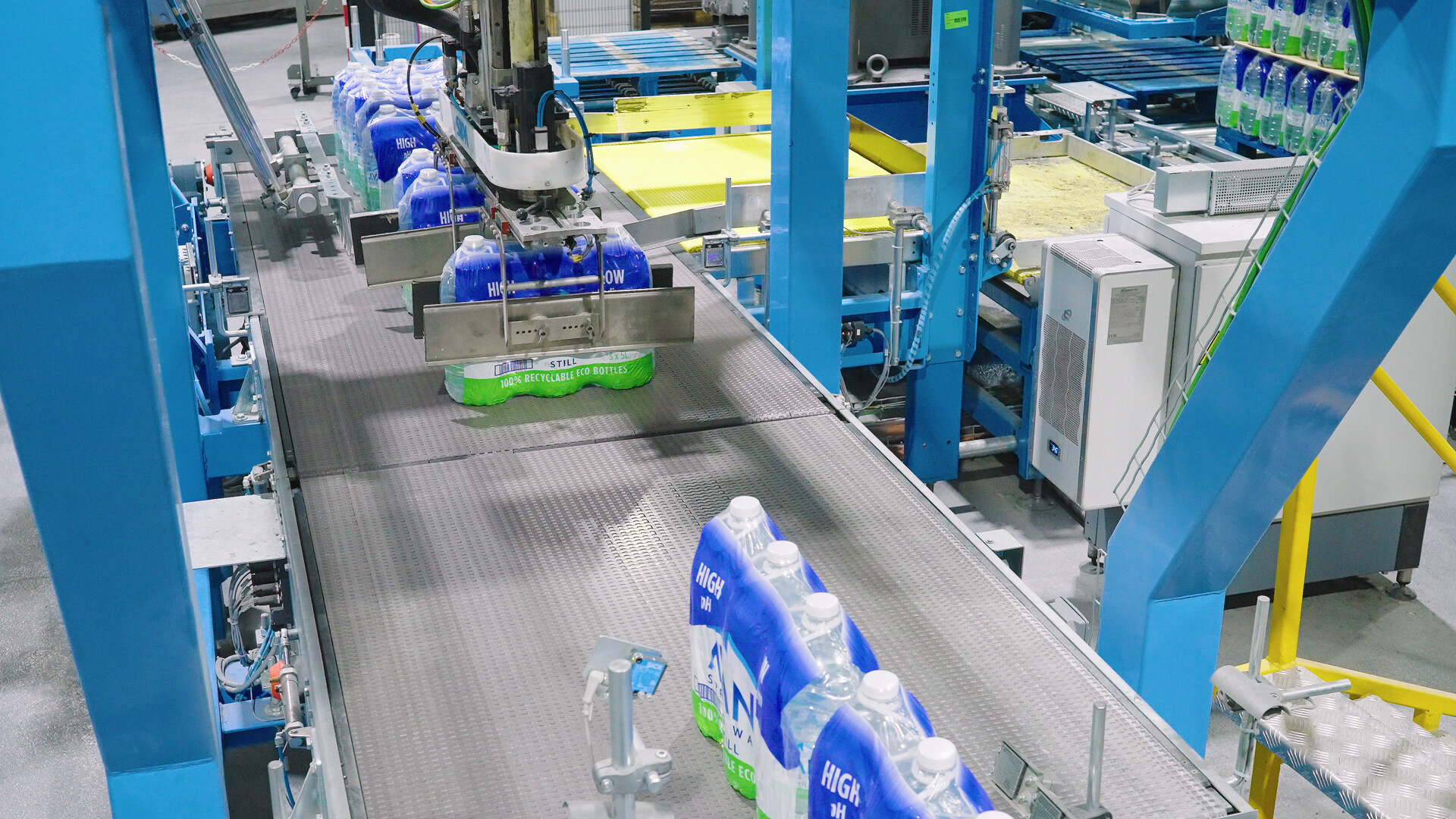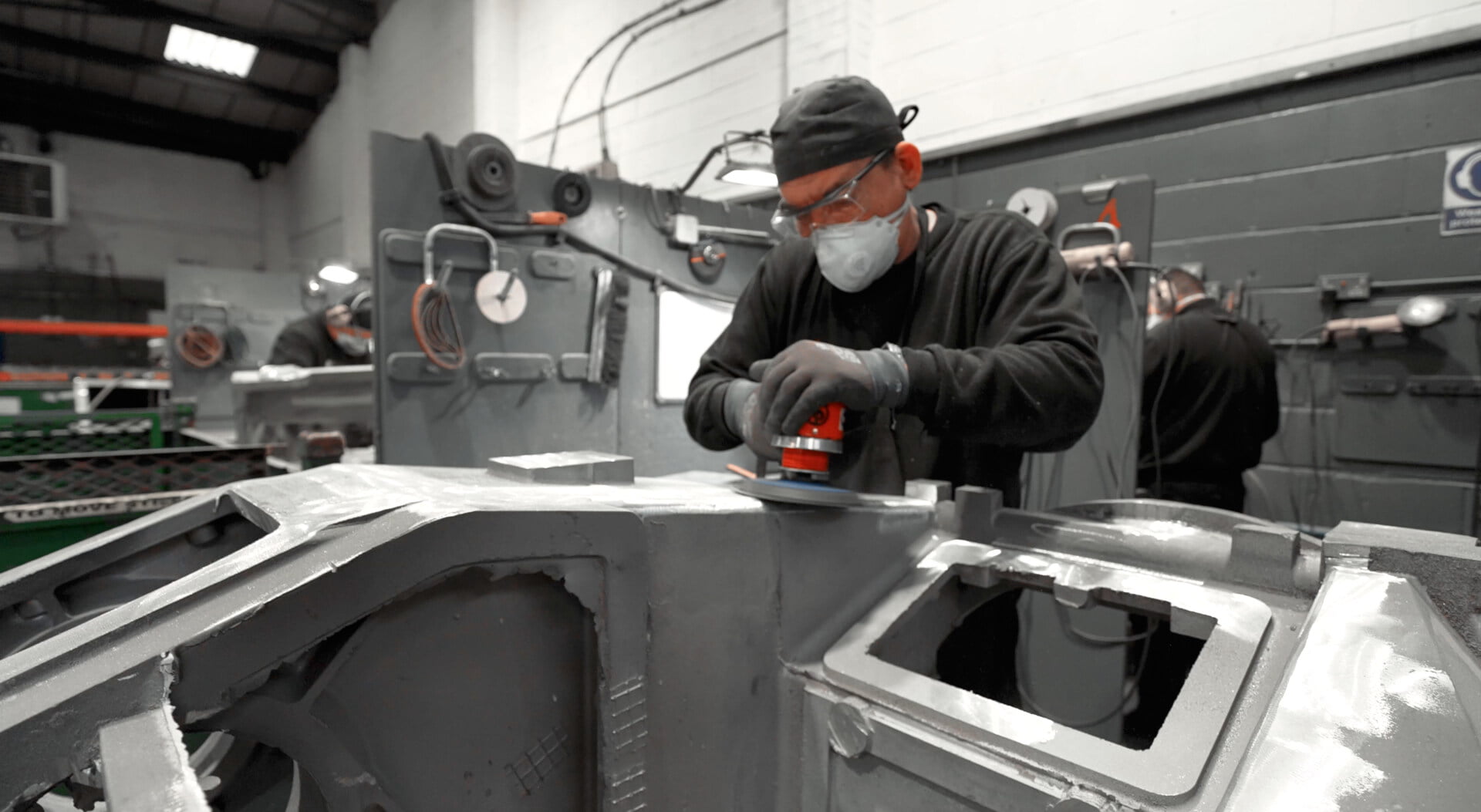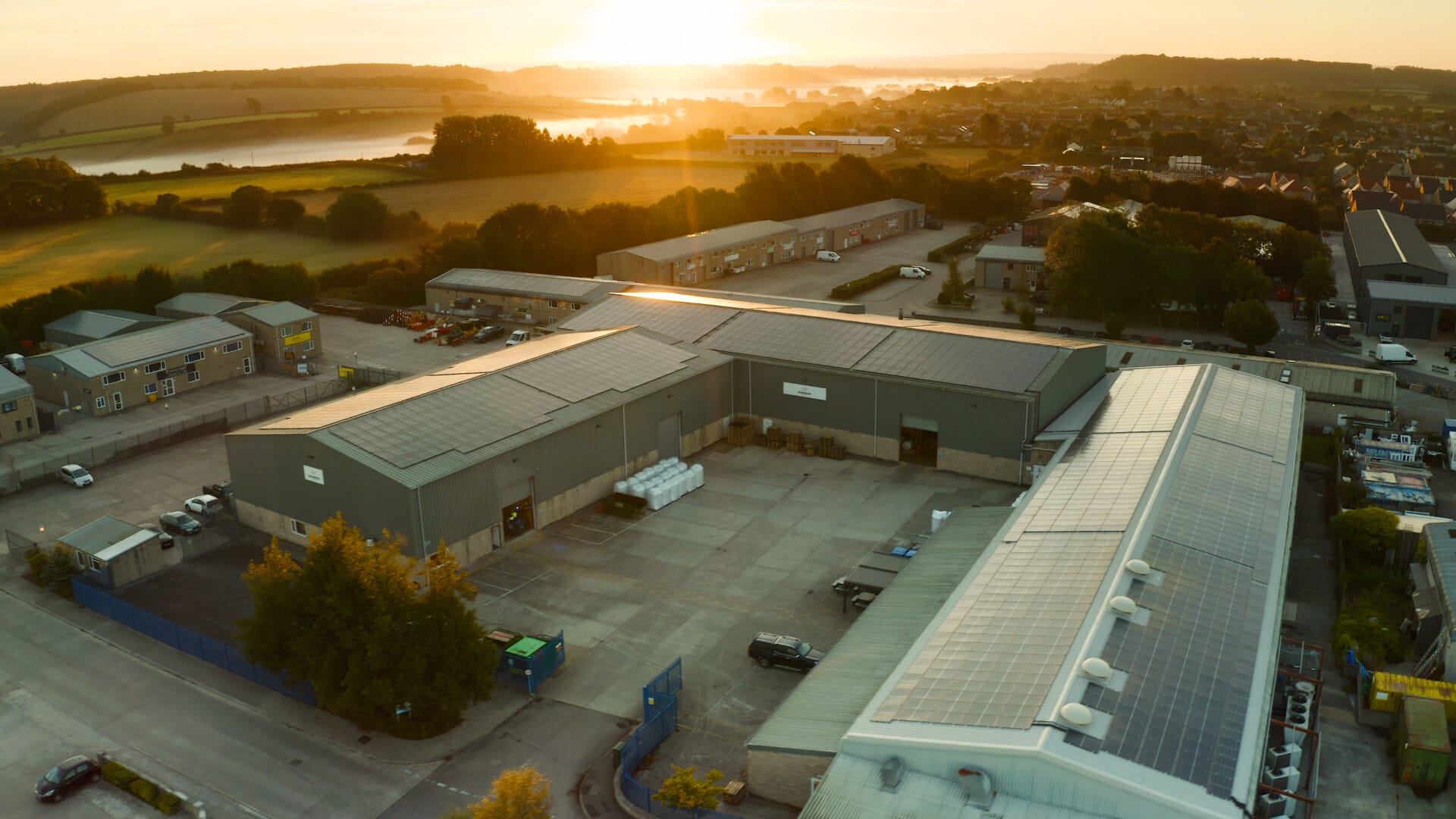
Production trials are where a promising process meets the practical realities of a working factory. Teams are watching cycle times, checking quality, adjusting settings and recording decisions while the line is still changing. A well-planned manufacturing video can make that period easier to review because it preserves what happened, in the order it happened, without relying on scattered notes or memory.
Capture the trial as a sequence, not a collection of clips
The most useful trial footage follows the process from preparation to result. Start with the equipment condition, material or component being used, and the change being tested. Then show the run itself, including operator actions, machine responses and any pauses or adjustments. Finish with the inspection or measurement that determines whether the trial met its objective.
This structure gives production, engineering and quality teams a shared reference. It also makes it easier to compare one trial with another, because each recording answers the same basic questions: what was changed, what happened, and what evidence supports the decision?
Make decisions visible on camera
Trial footage becomes more valuable when people explain the reasoning behind a change. A short interview with the process engineer or operator can identify the expected benefit, the risk being watched and the point at which the team will accept or reject the result. On-screen labels can reinforce the setting, stage or measurement without covering the detail that viewers need to see.
When an adjustment is made, record the before-and-after context. This is particularly helpful when an engineering change affects several teams, because the video can show how the change was introduced rather than presenting only the final state. A clear visual record can complement engineering change communication and reduce ambiguity during later reviews.
Show evidence of repeatability
A single successful run does not always prove that a process is ready. If the trial includes repeated cycles, film enough of the sequence to show consistency, then use concise graphics or spoken context to explain the sample size and the checks being made. Close-ups of gauges, control panels, components and inspection points can connect the visible action to the recorded result.
The same approach helps when a team is preparing for a first production run. A video can show which checks were completed, where attention was needed and what the team learned before scaling activity. That makes it a useful companion to first-run production readiness planning, especially when colleagues need to understand the practical evidence behind a go-ahead.
Build the review around the people who will use it
Not every viewer needs the same edit. Operators may need a close view of the sequence and controls, while managers may need a shorter summary of the objective, outcome and open actions. Plan the master footage so that these versions can be created without losing the original context. Accurate captions, clear terminology and restrained editing will help the video travel between shifts, departments and sites.
It is also worth capturing any unexpected behaviour rather than editing it away. A pause, defect or adjustment may become the most useful part of the record if the team is trying to understand why a result differed from the plan. Framing these moments clearly can support later root cause analysis without turning the trial into a blame exercise.
Turn the review into a reusable production resource
Once the trial is complete, organise the footage with a descriptive title, date, process stage and version information. A short summary should state the trial objective, result and unresolved questions. This makes the video easier to find when a similar issue appears months later or when a new colleague needs to understand how a process reached its current form.
Manufacturing video is most effective during production trials when it is treated as operational evidence, not just promotional content. By showing the sequence, the decisions and the checks that support the result, it gives teams a practical way to review change, share learning and move forward with greater confidence.