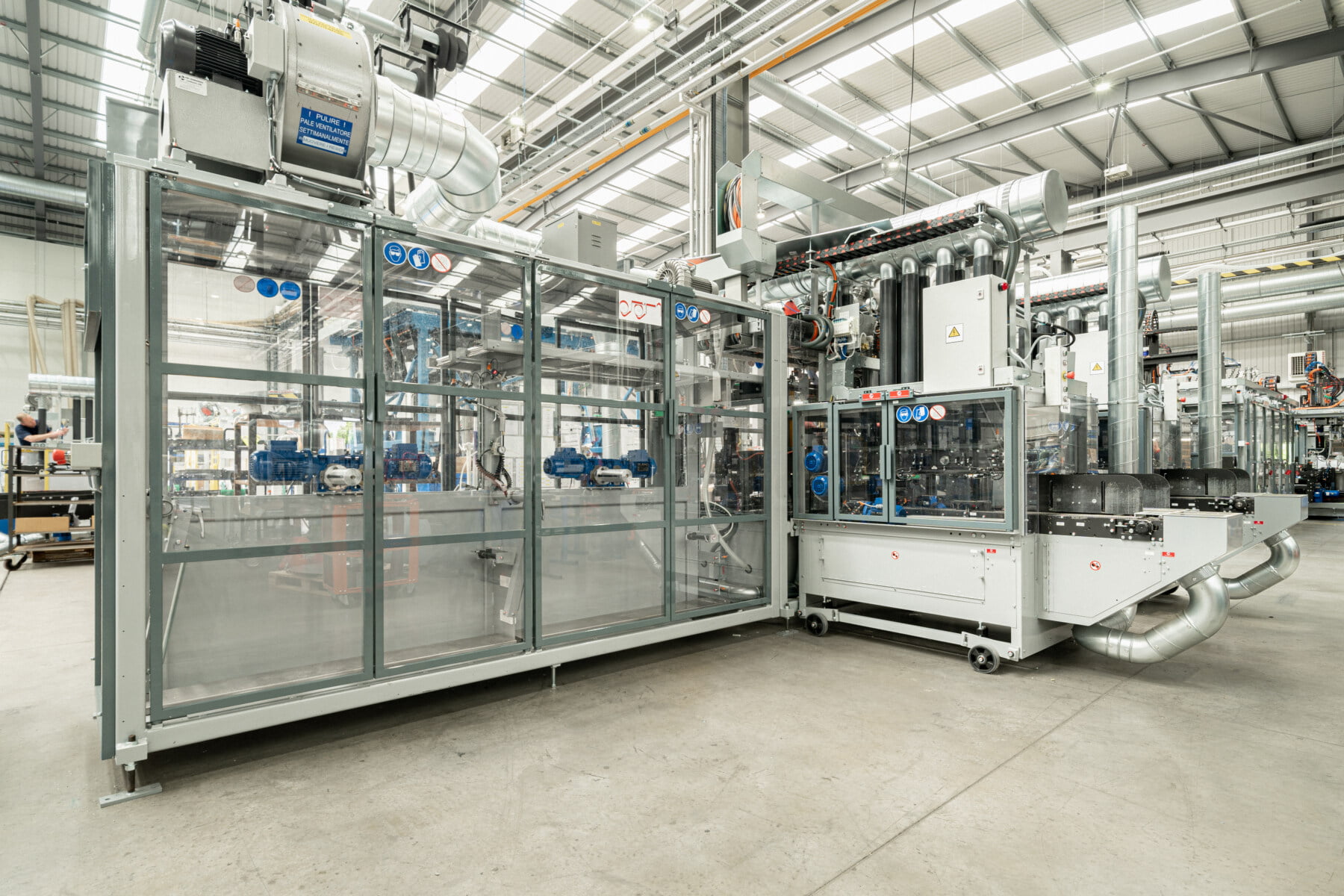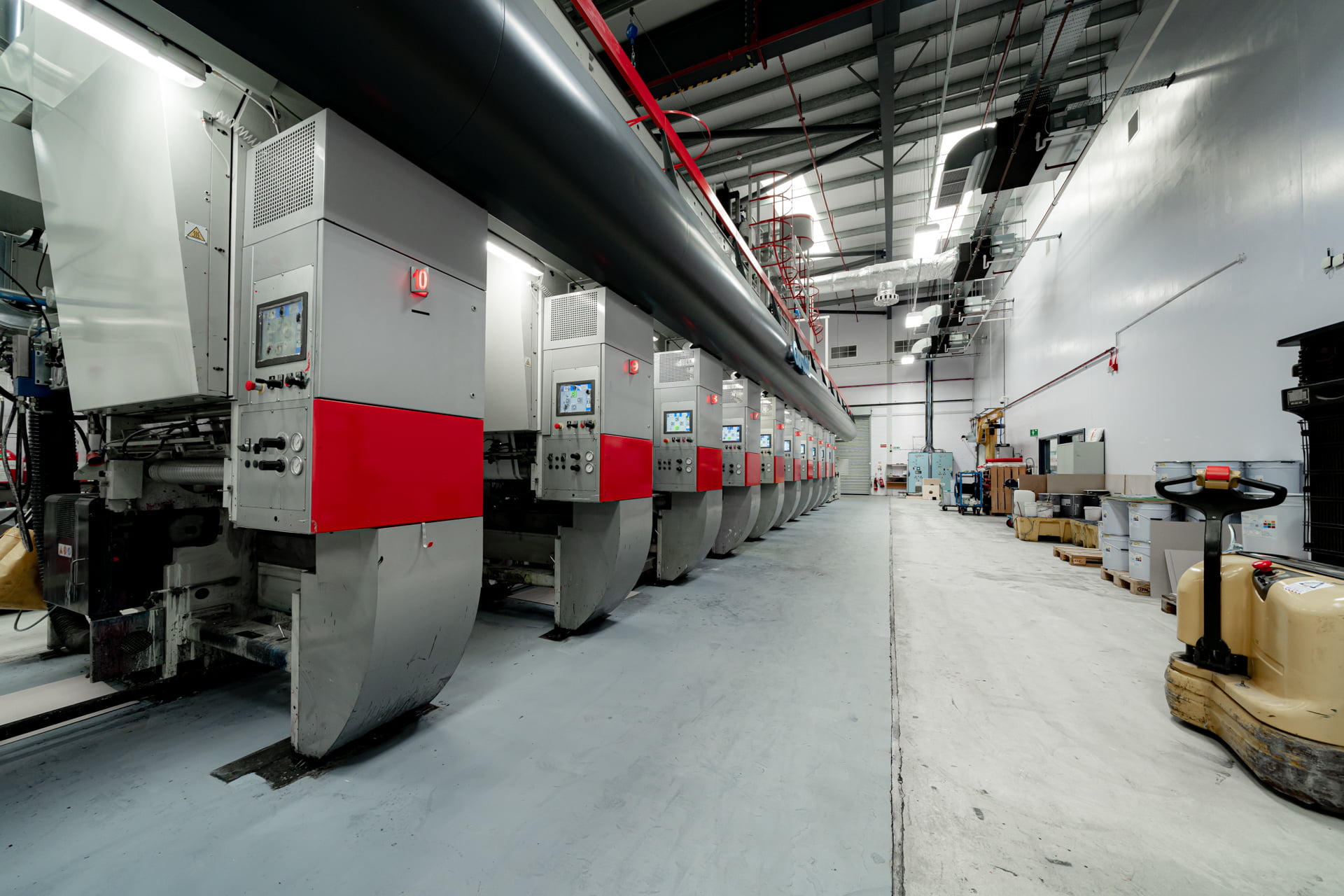
The first production run often carries more pressure than the volume of work suggests. A new line, revised process or recently commissioned machine has to perform while teams are still building confidence around the details. Manufacturing video can make that transition easier by showing what “ready” looks like before the first shift begins, then preserving the practical knowledge that helps people respond when reality differs from the plan.
Define readiness before the cameras arrive
A useful film starts with a clear definition of production readiness. That may include verified tooling, approved materials, calibrated inspection equipment, safe access routes, documented settings and trained operators. The production team can use a pre-shoot workshop to turn those requirements into a visual checklist. Instead of filming a general tour, the crew can capture the exact points that supervisors, engineers and operators need to recognise before a first run is released.
This preparation also keeps the story grounded in the way the factory actually works. A manufacturing video should show the relationship between preparation steps rather than presenting isolated close-ups. For example, a correctly labelled component matters because it supports traceability; a checked guard matters because it protects the person carrying out the next operation. Showing those connections gives the finished film practical value beyond a simple record of the equipment.
Show the decisions that protect the first run
First-run readiness depends on decisions that are easy to overlook when a process is described only in a written procedure. Which settings require a second check? Who can approve a change? What happens when a measurement falls outside the expected range? Filming the answers at the point of use makes the decision path easier to remember, especially for people who were not involved in the original engineering work.
Short interviews can add the reasoning behind each control. An engineer might explain why a tolerance is critical, while an operator can describe the visual or audible signs that indicate a machine is settling into its normal cycle. This combination of technical explanation and lived experience is one reason technical risk becomes easier to understand through video. It gives viewers enough context to act carefully without turning the film into a lecture.
Capture the handover between teams
The gap between installation, engineering validation and routine production is often where first-run knowledge becomes fragmented. A readiness film can follow the handover from one team to the next: what has been tested, what remains under observation and what evidence must be retained. Filming the actual exchange helps clarify ownership and reduces the risk that an important assumption stays in one person’s notebook.
The finished video can also be divided into chapters for different audiences. A supervisor may need the release checks, an operator may need the start-up sequence and a maintenance colleague may need the inspection points. This modular approach makes the asset easier to use alongside operator training materials, without forcing every viewer to watch information that is outside their role.
Film the normal state as well as the exception
When a first run is being prepared, it is tempting to film only faults, warnings and corrective actions. Those moments matter, but people also need a strong reference for normal operation. Record the expected sequence, the usual sounds and the standard checks while the process is stable. Then add carefully chosen examples of what should prompt a pause, escalation or measurement review.
This balance helps teams distinguish a genuine deviation from a harmless variation. It also supports improvement conversations later, because viewers can compare what they saw on the first run with the process after adjustments have been made. In that sense, the film becomes part of a continuous learning loop, similar to the way video can support continuous improvement across a manufacturing operation.
Build a reusable readiness resource
A first-run film has the greatest value when it remains useful after the original launch. Keep the language specific enough to guide action but flexible enough to survive minor changes in equipment or staffing. Add clear chapter titles, on-screen labels and dates for details that may need review. Where a setting or specification is likely to change, point viewers to the controlled source rather than embedding an unmaintainable number in the video.
With that discipline, manufacturing video becomes more than launch coverage. It provides a shared visual baseline for production, engineering, quality and training teams. By showing the conditions, decisions and responsibilities behind a successful first run, it helps a new process move into normal production with fewer misunderstandings and a stronger foundation for future improvement.