Automation creates some of the most striking images available in manufacturing video production. Robots, conveyors, control systems and synchronised machinery can communicate speed, scale and technical ambition in seconds. Yet a film focused only on equipment can leave an important question unanswered: where does human expertise create value?
The strongest automation videos show the relationship between technology and people. They reveal how systems are designed, supervised, maintained and improved, giving buyers a more complete understanding of the manufacturer’s capability.
Define what the automation achieves
Movement alone is not a message. Before filming, identify the outcome the automated system delivers. It may increase throughput, improve repeatability, protect employees from hazardous tasks or make complex product variation manageable.
That outcome should guide the shot list and interview questions. If precision is the main benefit, footage of controlled movement and measurement will matter. If flexibility is important, the film should show changeovers, programming or several product variants.
Existing examples of automotive automation video production demonstrate how equipment footage becomes more persuasive when it is connected to an application and commercial purpose.
Introduce the people behind the system
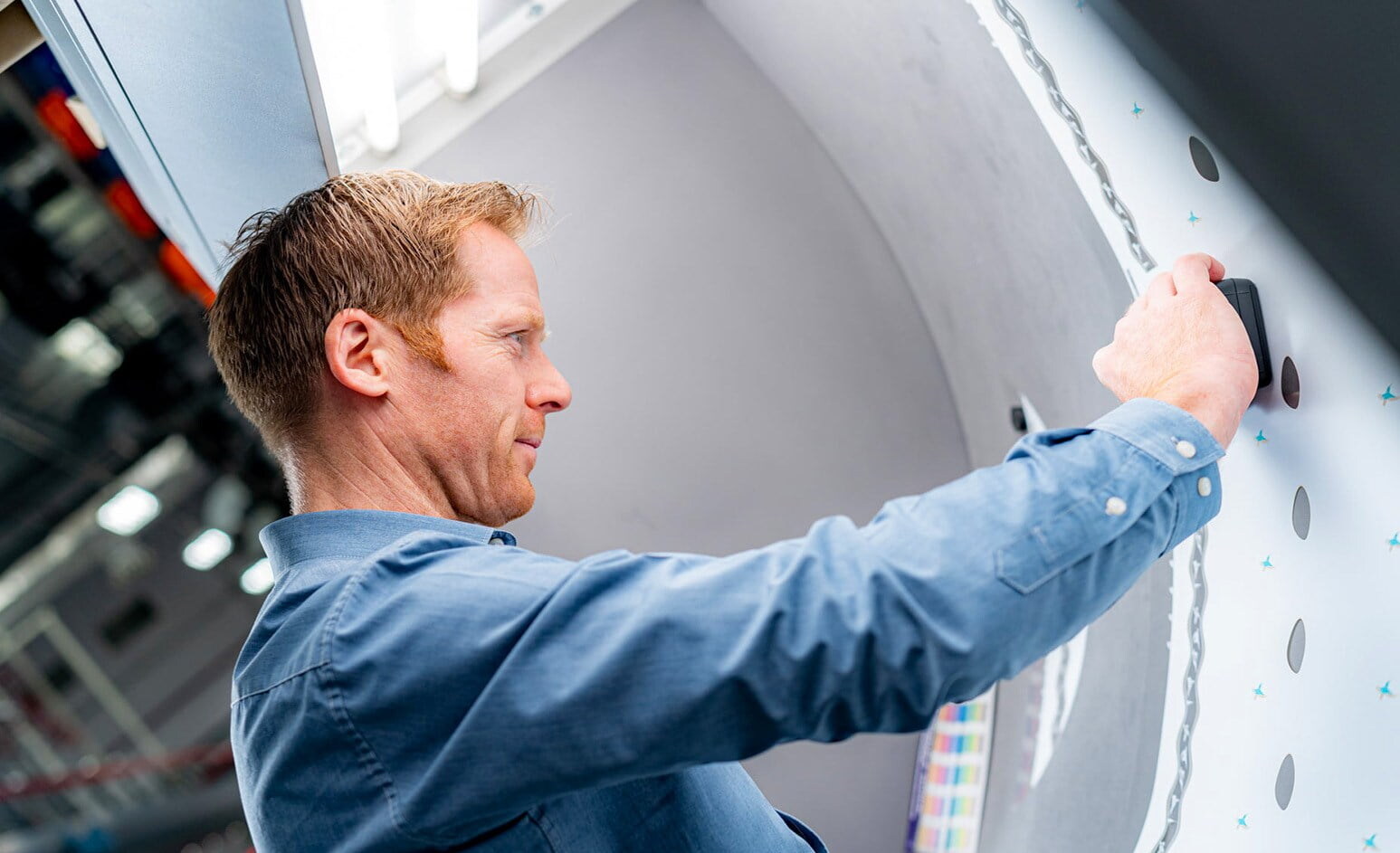
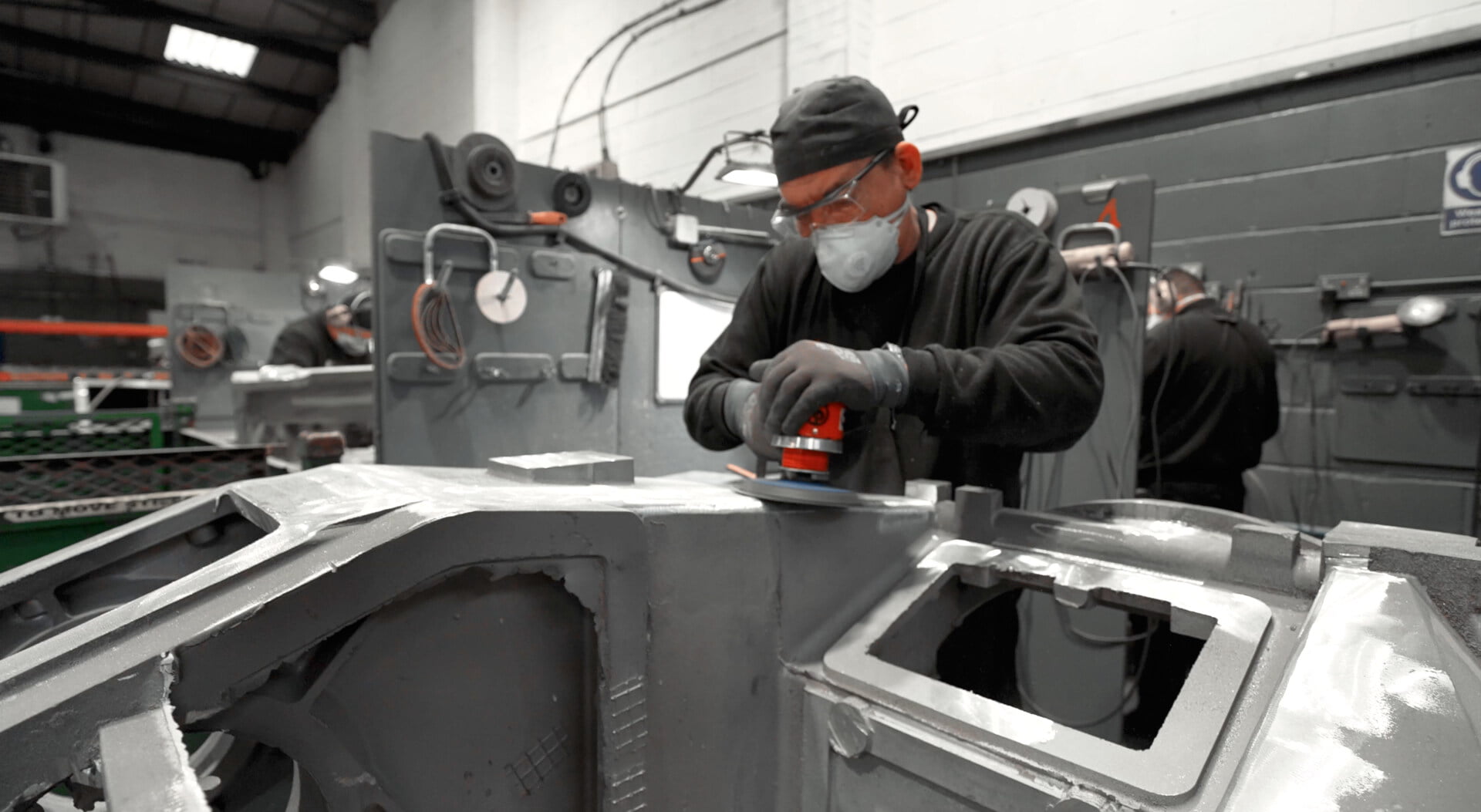
Every automated line reflects human decisions. Designers establish the process, engineers integrate equipment, operators monitor performance and maintenance teams protect reliability. Showing these roles prevents the technology from appearing detached from the business.
Short interviews can explain why the system was developed and how it solves a production challenge. Contributors should focus on specific decisions and outcomes rather than delivering broad claims about innovation.
A thoughtful approach to selecting manufacturing video contributors helps identify employees who can translate technical expertise into clear, natural language.
Film the complete operational sequence
Automation is easier to understand when viewers can follow material or a component through a logical sequence. Begin with the input, show the important transformations and finish with the completed part, inspection or packing stage.
Wide shots establish the layout and relationship between machines. Medium views show transfer points and operator interaction, while close-ups reveal tooling, sensors and product detail. Together, these perspectives create a visual map of the system.
Continuity deserves careful attention. Fast automated processes can become confusing if the edit jumps between unrelated stages. Production notes and a clear process diagram help the camera team capture footage that will cut together accurately.
Use camera movement with restraint
Automated machinery already creates motion within the frame. Constant camera movement can make the result feel busy and prevent viewers from understanding what the system is doing.
A locked wide shot often communicates synchronisation better than a rapid tracking move. Slow, deliberate movement can then reveal scale or guide attention towards a particular process stage. Each decision should make the operation clearer.
High-frame-rate footage can help reveal actions that happen too quickly to see normally. Slow motion is most useful when it explains gripping, placement, cutting or inspection rather than being added only for visual drama.
Make control systems understandable
Interfaces and data show that automation is monitored and managed, but screens can be difficult to film. Reflections, refresh rates and small text may reduce readability, while live displays can contain confidential information.
Approved screens should be prepared in advance. The crew can capture an operator making a genuine adjustment, then use close-ups or simple graphics to highlight the information relevant to the story.
On-screen labels should translate internal terminology for external audiences. A short caption explaining what a value controls is more useful than filling the frame with raw data.
Show how people maintain quality
Automation can improve repeatability, but quality still depends on decisions about setup, calibration, inspection and response. Footage should show how employees confirm that the system is producing the intended result.
This may include first-off inspection, in-line sensing, sample measurement or review of traceability data. These images turn claims about consistency into visible proof.
The principles used when showing quality control in a manufacturing video help connect automated checks with the people who interpret results and protect customer outcomes.
Capture authentic collaboration
Some of the most valuable footage happens between formal process stages. An engineer may discuss a result with an operator, a maintenance specialist may inspect a component or a team may review performance at a workstation.
These moments show that automation is part of a living production system. They communicate problem-solving, continuous improvement and shared responsibility without requiring a scripted scene.
The crew should work unobtrusively and let genuine activity unfold. Employees can be briefed about filming while continuing to follow normal procedures and safety requirements.
Plan around access and safety
Robotic cells, automated vehicles and guarded equipment create strict filming boundaries. Camera positions must be approved, and production safeguards should never be changed simply to improve a shot.
A pre-shoot recce allows the crew to understand exclusion zones, line schedules and safe observation points. Longer lenses or remotely positioned cameras may capture detail without entering restricted areas.
Filming should be coordinated with production managers so the necessary process runs are available. A realistic schedule protects output and avoids asking teams to repeat expensive or time-sensitive operations.
Balance technical depth with pace
Technical buyers may want detailed evidence, while other decision-makers need a concise overview. A well-planned production can serve both audiences by capturing a complete master sequence and creating several focused edits.
The main company film might show the system’s purpose and outcome in under two minutes. Longer process content can explain integration, control and quality, while short clips can highlight individual capabilities.
This modular approach makes the footage useful across websites, sales presentations, exhibitions and recruitment campaigns without forcing every viewer through the same level of detail.
Present automation as applied expertise
A compelling automation film does not choose between machines and people. It shows how advanced equipment amplifies engineering knowledge, operator skill and disciplined quality systems.
By explaining the outcome, following a clear process sequence and revealing the human decisions behind the technology, manufacturing video production can turn automated movement into a credible business story. Viewers see not only what the machinery does, but why the manufacturer can be trusted to deliver it.