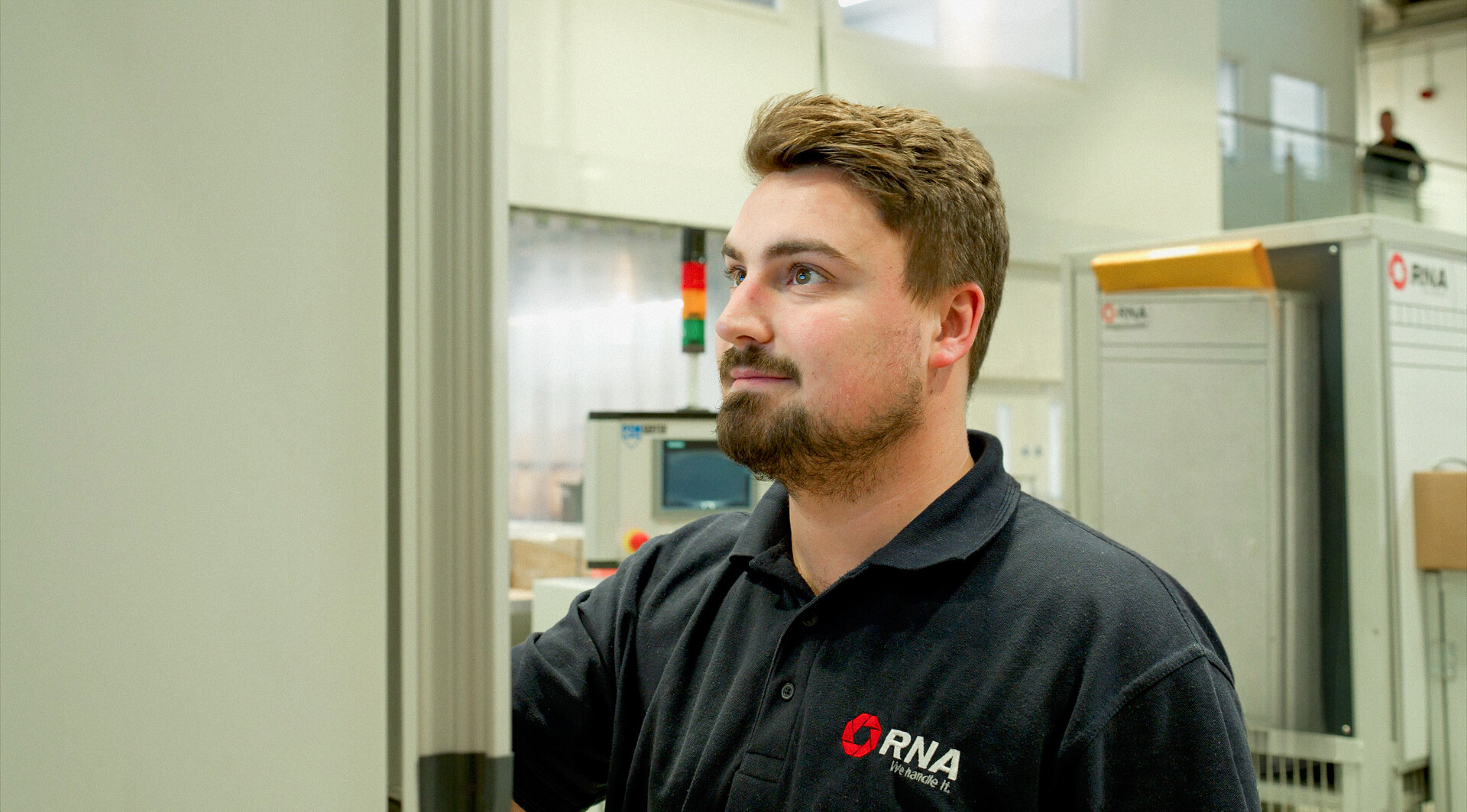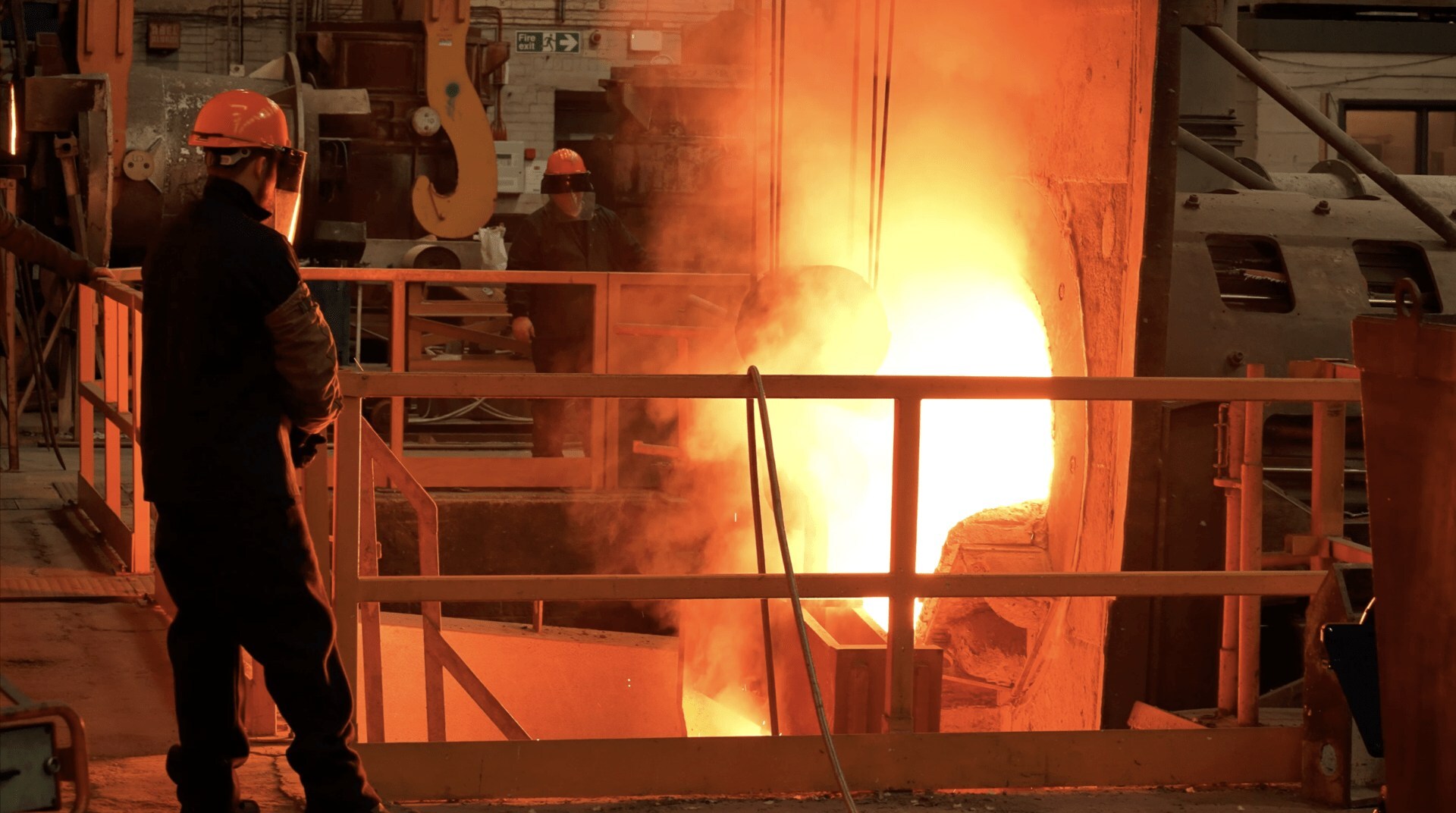
Production performance coaching works best when it is connected to the reality of the factory floor. A short, well-planned manufacturing video can give supervisors, team leaders and operators a shared view of what good performance looks like without turning a coaching conversation into a vague review of results.
Make the standard visible
Performance conversations often become difficult when the standard is described only in words. Video can show the sequence, pace, checks and handovers that sit behind a strong result. It also captures the small choices that are easy to miss in a written procedure, such as how an operator prepares a workstation or confirms a change before restarting a line.
The aim is not to create a surveillance record. A useful coaching film is deliberately focused on one behaviour or process outcome. It might compare a stable start-up with a rushed start-up, or show how an experienced team spots a developing issue before it becomes a stoppage. That narrow focus makes the footage practical and easier to discuss.
Turn review meetings into useful conversations
Before filming, agree what the team needs to learn. A production manager may want clearer escalation decisions, while a supervisor may need a better way to coach consistency across shifts. Planning around one question keeps the edit concise and prevents a general factory tour from being mistaken for a coaching resource.
When the film is used in a review meeting, let the footage prompt questions rather than dictate a verdict. Ask what the team notices, where the process becomes vulnerable and which action would make the biggest difference. This approach gives operators room to explain constraints that may not be visible on camera, while still keeping the discussion grounded in observable evidence.
Connect coaching to everyday production work
A coaching video becomes more valuable when it connects to the routines already used by the site. Teams can pair a clip with a production training assessment, use it as a prompt during a shift change, or revisit it after a process adjustment. Keeping the film close to existing work makes it easier to use repeatedly rather than leaving it in a project folder.
It can also support handover between teams by showing the information that needs to travel with a job, batch or machine. A consistent visual reference helps different shifts recognise the same condition and reduces the risk that important context is lost in a hurried verbal update.
Build a repeatable improvement loop
Use the first film as a baseline, then review it when the team has tried the agreed improvement. The next recording does not need to be a complete reshoot. A short comparison of the changed step may be enough to show whether the new approach is easier, safer or more consistent. This makes video part of a learning loop instead of a one-off communications exercise.
Finally, connect the discussion to evidence that matters to the operation, such as defects, stoppages, cycle-time variation or rework. A production quality review can use the footage to explore why a result changed, not simply whether a target was met. With a clear question, respectful filming and a small library of purposeful clips, manufacturing video can make performance coaching more specific, fair and actionable.