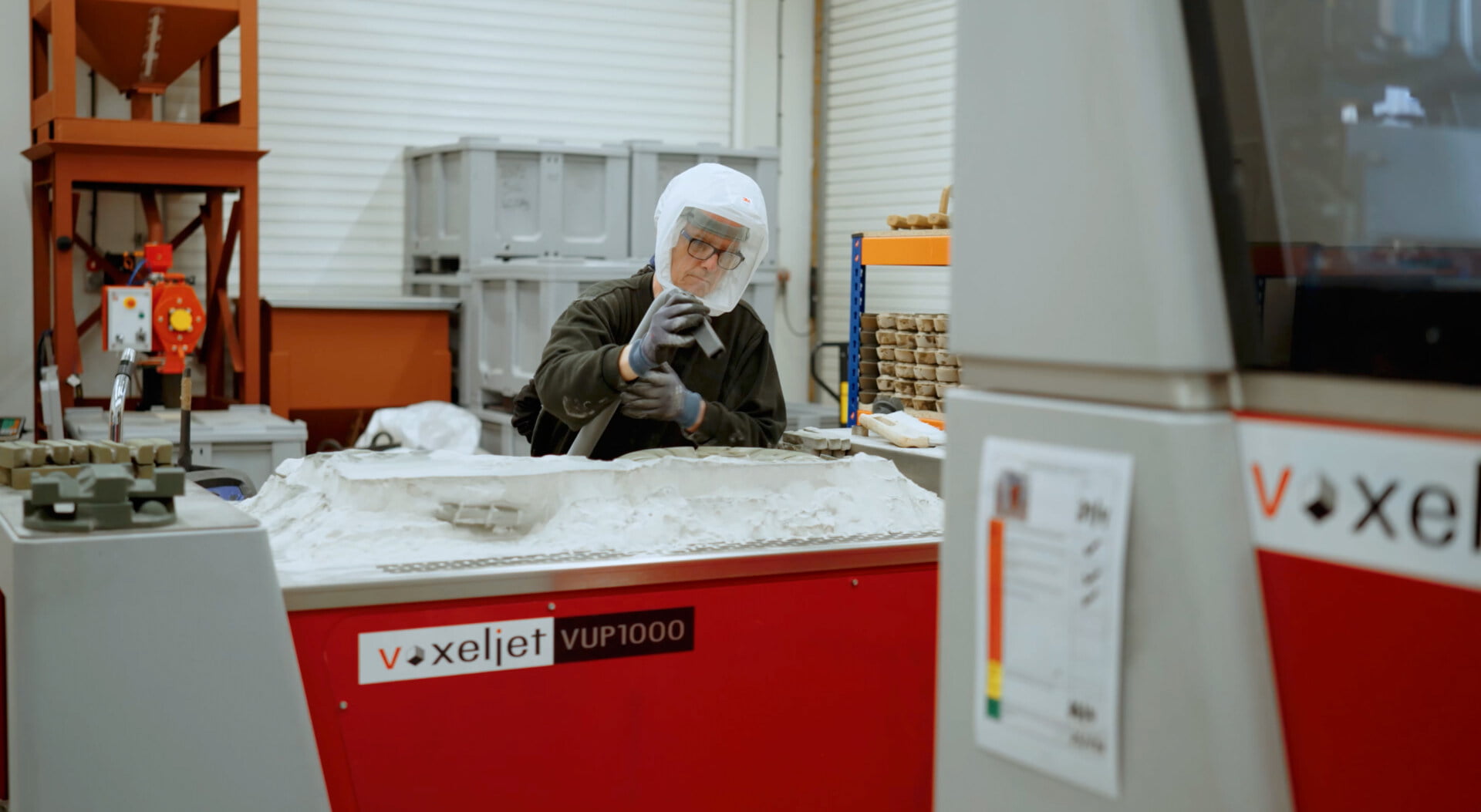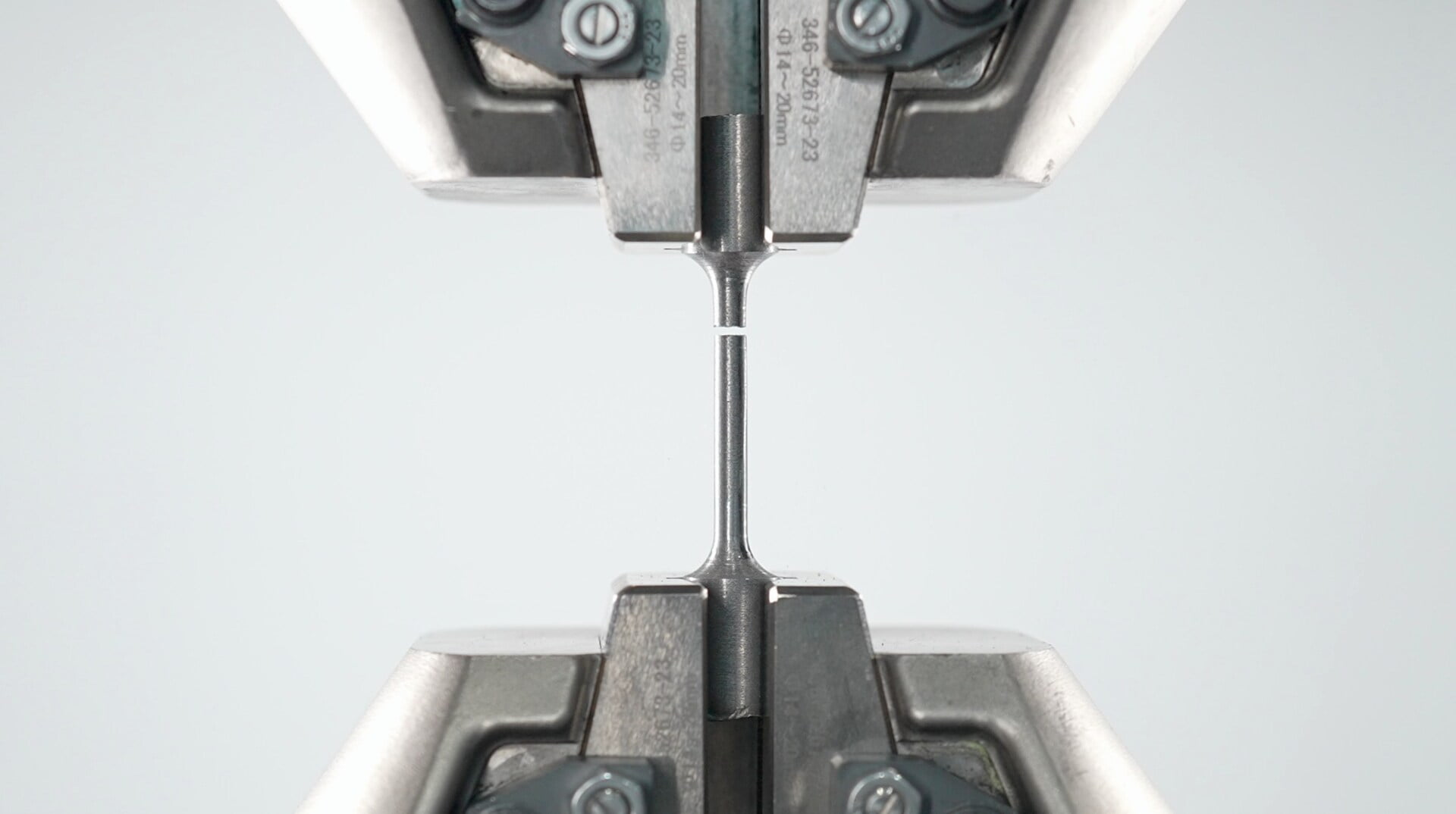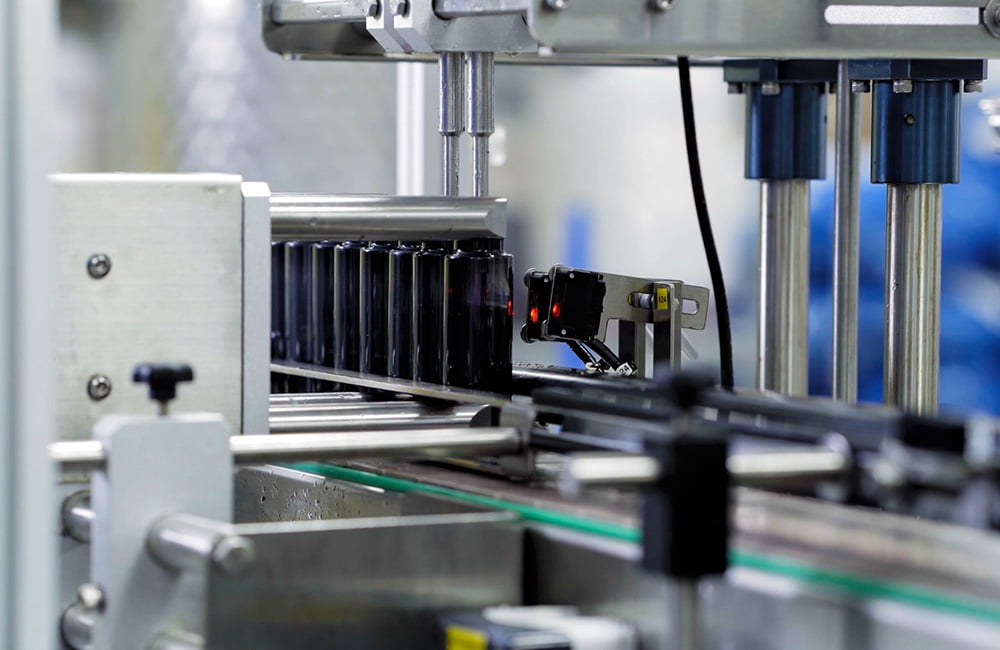
Production quality reviews are most useful when they turn observations into shared understanding. In a busy manufacturing environment, however, a meeting can rely on partial notes, memory and descriptions that mean different things to different teams. A well-planned manufacturing video gives the review a common visual reference: people can see the sequence, the condition of the equipment and the decisions being discussed.
Make the evidence easier to examine
A short, carefully framed clip can show the moment a defect appears, how an operator responds and what happens immediately before and after the event. This helps a quality team separate symptoms from causes without asking someone to recreate the whole story verbally. It also complements root cause analysis by preserving the physical context that is often lost in a written report.
Give different teams the same reference point
Quality, production, engineering and maintenance may each notice a different part of the same issue. Video makes it easier to pause at a specific detail, compare viewpoints and agree what needs further investigation. When footage is labelled with the line, product, shift or process stage, it becomes a practical record that supports a more focused review rather than another general discussion about what might have happened.
Show standards in the real working environment
Quality reviews should not only document failure. They can also capture a strong example of a process being carried out consistently, including the checks and hand-offs that protect the result. This is where visual standard work becomes useful: teams can compare an observed sequence with the agreed method and identify small variations before they become recurring problems.
Turn review footage into follow-up actions
The most effective review video is connected to an action, owner and deadline. Add simple time references to the meeting notes, capture the agreed countermeasure and decide whether a second clip is needed after the change. A video can also support production readiness reviews by showing whether the adjustment works under normal operating conditions, not only during a demonstration.
Filming in a manufacturing setting still requires care. Agree safe access, protect confidential information, avoid interrupting a live process and brief everyone who may appear on camera. With those safeguards in place, manufacturing video becomes a durable quality tool: it helps teams see the same evidence, ask better questions and close the loop on improvement.