Manufacturing teams solve problems every day, but the most useful details are often difficult to carry from one shift, department or site to another. A written report can record the outcome, yet it may not show the movement, sequence or physical conditions that shaped the decision. A carefully planned manufacturing video can make that practical knowledge easier to see, discuss and reuse.
Used well, video is not a replacement for engineering judgement or formal documentation. It is a shared visual reference that helps people examine what happened, agree on the important evidence and explain the next action. That makes it valuable wherever a problem crosses the boundary between the factory floor and the teams responsible for quality, maintenance, engineering or customer communication.
Show the problem in its working context
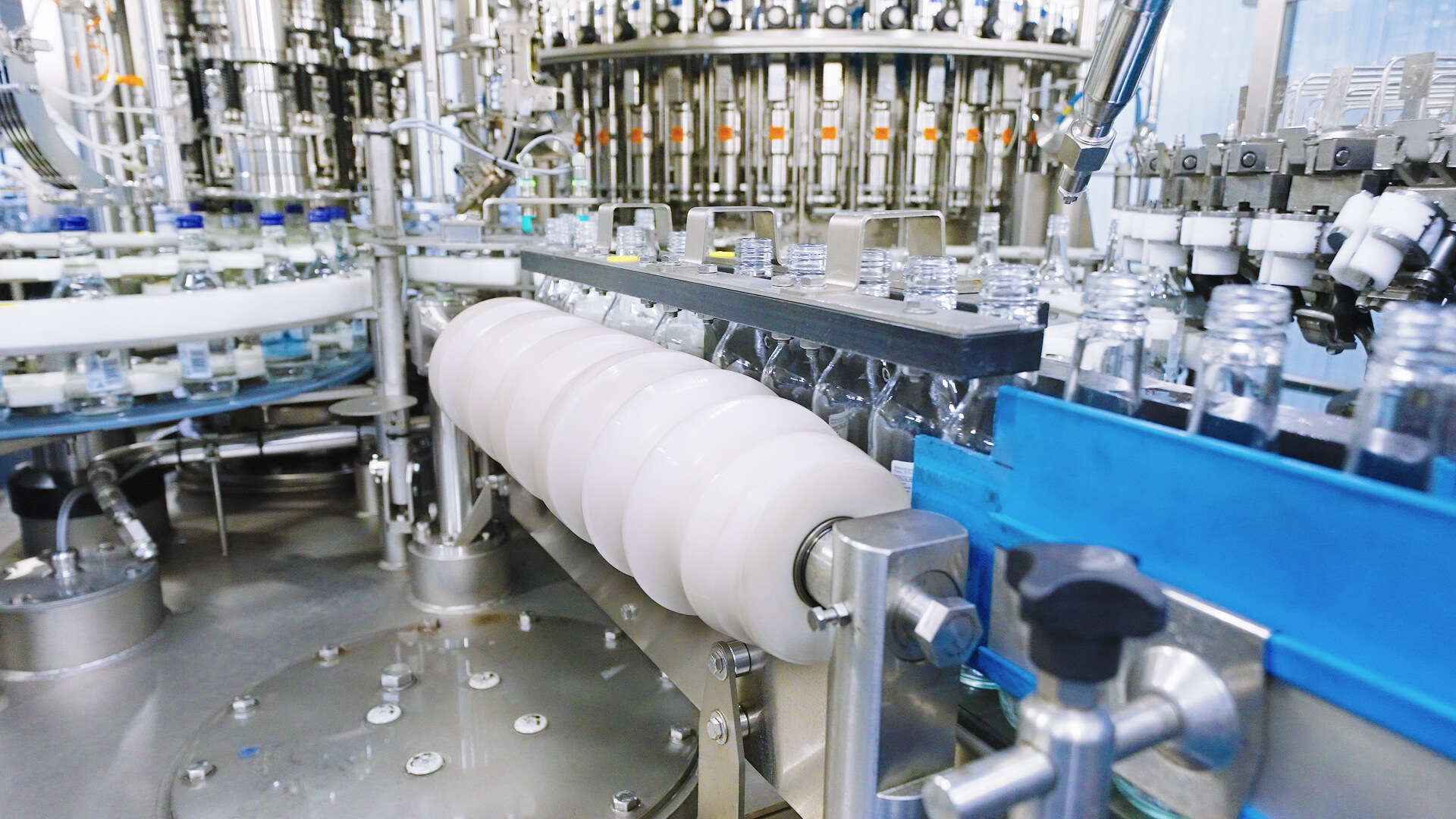
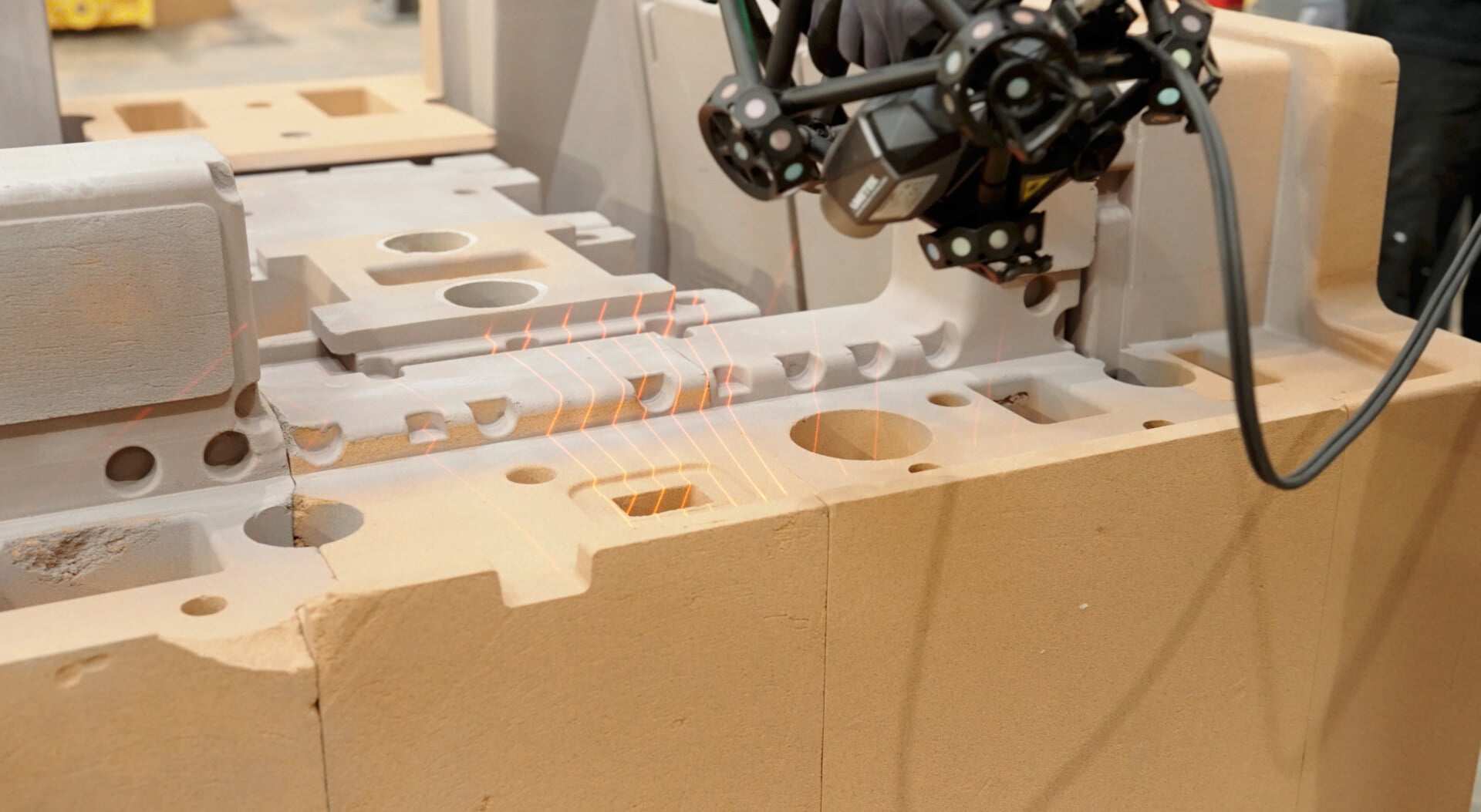
The first job is to capture enough context for viewers to understand the situation without guessing. A close-up of a defect, adjustment or obstruction may be useful, but it should sit within wider shots that show the workstation, material flow and surrounding equipment. This is where thoughtful visual explanation of complex industrial processes helps: the audience can connect the detail to the process that produced it.
Planning should also account for normal production conditions. Film the relevant stage at a safe and representative time, record the operator’s explanation in their own words, and avoid staging a fault in a way that changes the evidence. Capturing the before state, the investigation and the corrected state gives the final video a clear sequence rather than a collection of disconnected shots.
Make cause-and-effect easier to discuss
Visual problem solving becomes more useful when the edit separates observation from interpretation. On-screen labels, arrows or brief diagrams can identify the component being discussed, while the spoken explanation can describe what changed and why it matters. Keep the graphics restrained: their role is to direct attention, not to decorate the footage or imply certainty where the investigation is still open.
Short clips can then support a structured review. A team might pause on the moment a sensor is triggered, compare two setup positions or follow the path of a part through the line. This complements root cause analysis using clear visual evidence because participants can refer to the same event instead of relying on different memories of what they saw.
Turn one investigation into repeatable learning
Once the cause and countermeasure are agreed, the video can be shaped for the people who need to act on the learning. A detailed version may support an engineering review, while a shorter cut can brief operators or explain a revised standard. Add dates, equipment references and revision information so viewers know which version they are watching, and keep sensitive customer or production data out of footage that will be shared more widely.
The strongest result is not simply a polished film. It is a practical asset that remains understandable when the original investigation team is no longer in the room. With a clear structure, accurate captions and a deliberate distribution plan, the same material can support shared standard work across shifts while still preserving the reasoning behind the change.
Plan for action, not just documentation
Before filming, define the decision or behaviour the video should support. Decide who must trust the evidence, what they need to see, and where the finished piece will be used. That focus guides the shot list, interview questions, graphics and final length. It also prevents the common mistake of recording an interesting event without making its operational significance clear.
Manufacturing video is most effective when it respects the realities of the workplace: safe access, working schedules, authentic voices and precise technical language. When those foundations are in place, visual problem solving becomes easier to review, easier to teach and easier to carry forward into the next improvement cycle.