Industrial tenders ask manufacturers to provide detailed evidence of capability, quality and delivery confidence. Written responses remain essential, but video can help evaluators understand the facility, processes and people behind those documents.
Manufacturing video production is most effective in procurement when it supports specific claims. A concise film can show scale, control and expertise without forcing a decision-maker to imagine the factory from technical descriptions alone.
Start with the tender requirements
Video should never be added as a generic promotional extra. Review the evaluation criteria and identify where visual evidence can make an answer clearer. Capacity, inspection, traceability, specialist equipment and project governance may all benefit from demonstration.
The content must remain consistent with the written submission. If the tender describes a particular process or certification, the film should show or explain it accurately rather than introducing unrelated claims.
This evidence-led approach reflects the principles behind credible manufacturing video production, where every important statement is supported by visible proof.
Create a focused capability overview
A short overview can orient evaluators before they read more detailed responses. It should establish what the manufacturer produces, the markets it serves and the physical capability relevant to the contract.
Wide shots communicate scale, medium views show workflow and people, and close-ups reveal technical detail. Clear captions can identify departments, processes and equipment without slowing the film.
Avoid trying to cover the entire company history. The overview should help the procurement team understand why the business is a credible candidate for this opportunity.
Show how quality is controlled
Quality claims carry greater weight when the viewer can see inspection, calibration, traceability and documentation in use. Footage should demonstrate the process rather than simply showing a certificate on a wall.
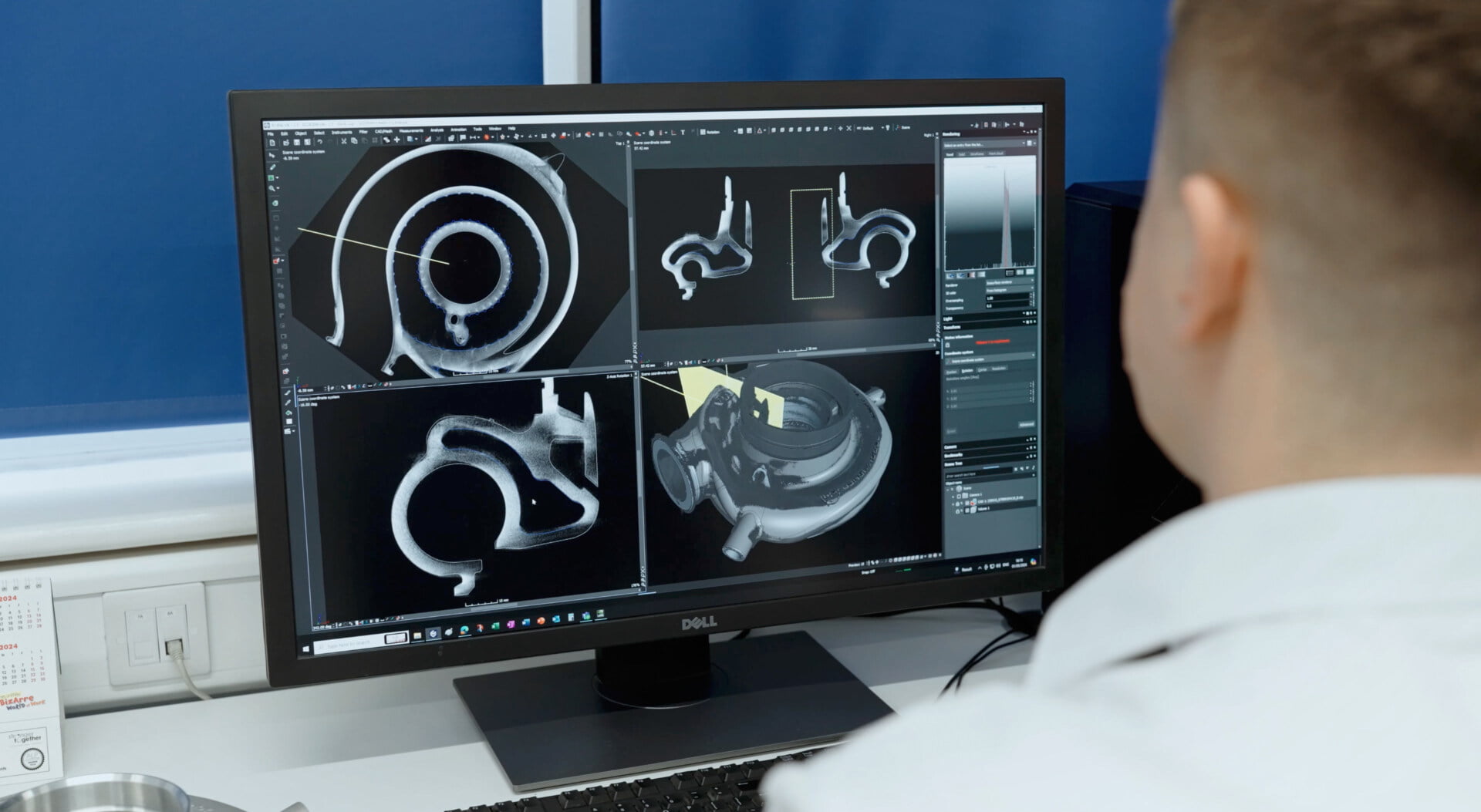
Operators and quality specialists can explain why a check exists and how results are recorded. Close-ups of approved screens, measurement tools and product detail provide useful evidence.
The techniques used when filming manufacturing quality control help connect procedures to the customer outcomes procurement teams care about.
Introduce the team responsible for delivery
Evaluators are not only assessing equipment. They want confidence in the people who will manage engineering, production, quality and communication.
Short contributions from relevant leaders and specialists can explain responsibilities and decision-making. Natural, concise answers usually feel more trustworthy than heavily scripted corporate statements.
Names and roles should be displayed clearly. Each contributor needs a specific purpose in the story, whether that is technical authority, project governance or day-to-day delivery.
Demonstrate capacity without exaggeration
Factory footage can communicate space, equipment and material flow, but it should not imply capacity the business does not possess. Claims about volumes, lead times and availability need current approval.
Aerial or elevated views may help establish site scale, while interior sequences show how work moves through departments. Graphics can identify relevant production areas and summarise verified figures.
When future investment forms part of the bid, distinguish clearly between existing capability and planned development. Precision builds confidence.
Explain complex processes visually
Some tender requirements involve specialist methods that are difficult to describe concisely. A process film can follow material from input through transformation, inspection and completion.
Simple diagrams may reveal activity inside enclosed equipment or connect stages in different parts of the site. Technical terms should be accurate and explained in language accessible to commercial evaluators.
The aim is not to replace the written method statement. Video gives the evaluator a visual framework that makes the detailed response easier to understand.
Address risk and continuity
Procurement teams consider what might interrupt supply. A film can show maintenance systems, duplicate capability, controlled storage, training and documented workflows where these are relevant.
Contributors can explain how the manufacturer responds to changes, protects critical knowledge or manages urgent requirements. Specific examples are more persuasive than a broad promise of flexibility.
Confidential contingency arrangements should not be exposed. The production team can communicate robust systems while respecting security and customer restrictions.
Use customer evidence appropriately
A relevant case study can demonstrate that the manufacturer has handled a comparable challenge. The story should explain the starting problem, the work delivered and the approved outcome.
Customer names, footage and performance figures require permission. If confidentiality prevents identification, the film can describe the sector and application without creating a misleading impression.
Case-study extracts can support a wider manufacturing video sales journey, from early supplier research through detailed evaluation.
Make the video easy to evaluate
Procurement teams may review many submissions. Clear structure, concise chapters and informative captions help them reach relevant evidence quickly.
A useful sequence might cover capability, process, quality, people and delivery. Longer technical sections can be supplied as separate links rather than forcing every evaluator through one extended film.
Subtitles are important for accessibility and silent viewing. Technical spelling, measurements and company names need human review.
Plan secure and reliable delivery
The tender instructions may restrict external links, file sizes or public hosting. Confirm the approved delivery method before producing final exports.
If the film contains information created specifically for the bid, access controls and expiry requirements may apply. Public marketing footage can be separated from confidential tender content.
Files should be clearly named and tested within the submission process. A video that cannot be opened adds risk rather than confidence.
Keep the content current and consistent
Tender films may be reused, but specifications, personnel and certifications can change. Date-sensitive claims should be reviewed for every submission.
A modular content library makes updating easier. New interview clips, equipment footage or figures can replace outdated sections without rebuilding the entire film.
By aligning video with evaluation criteria, showing real evidence and delivering it in an accessible format, manufacturers can strengthen tender submissions. The film helps procurement teams see how written capability translates into people, processes and controlled production.