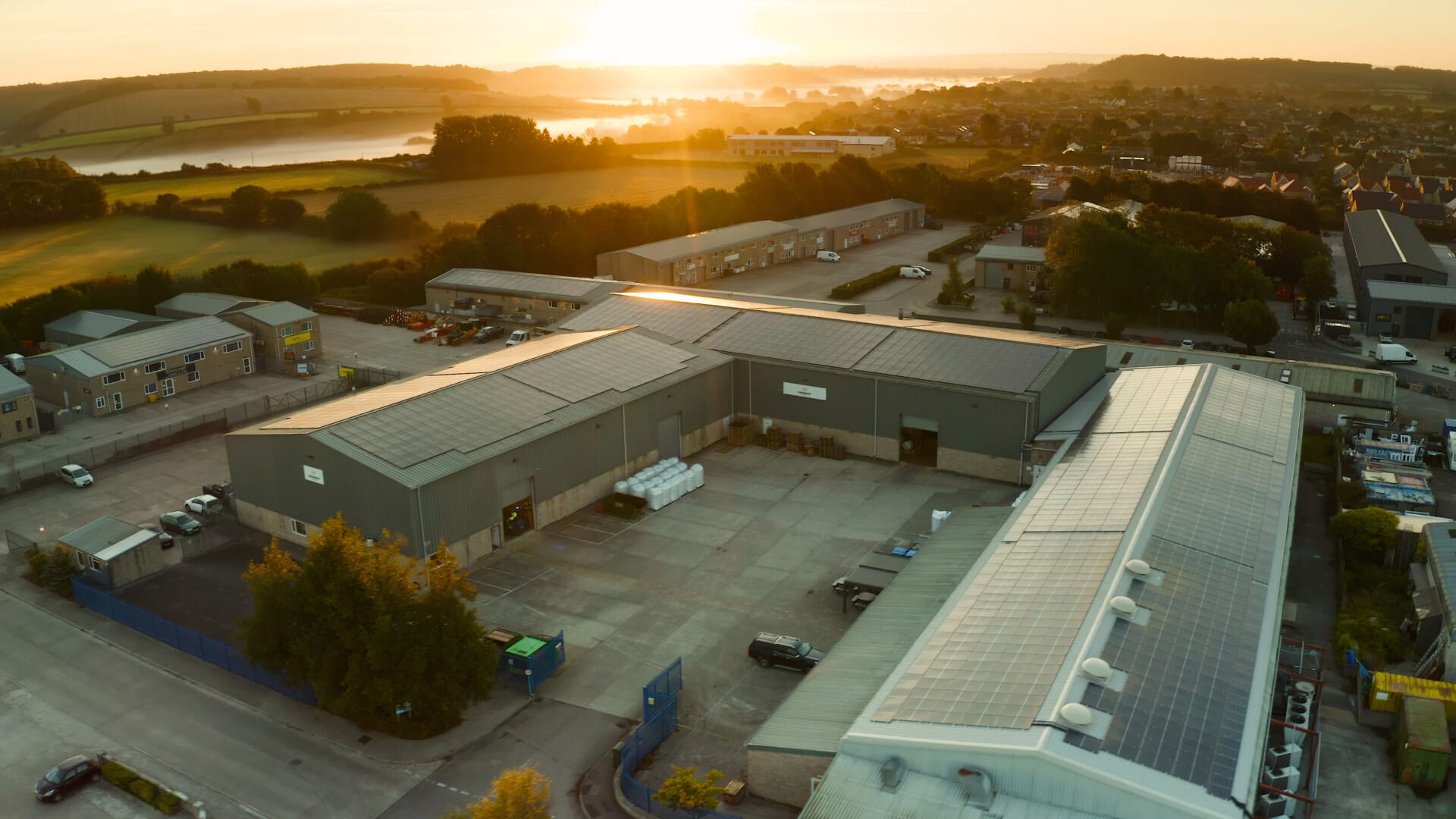
Long before a buyer speaks to a sales team, they are already forming an opinion about a manufacturer. They may visit the website, compare suppliers, study capabilities and look for evidence that a business can deliver consistently. Manufacturing video production helps answer those questions quickly by showing the facility, the people and the processes behind the promises.
A strong industrial film does more than create a polished first impression. It gives prospective customers visible proof of scale, competence and attention to detail. That proof can make early conversations more productive because viewers arrive with a clearer understanding of what the company does and why it is credible.
Trust starts with what customers can see
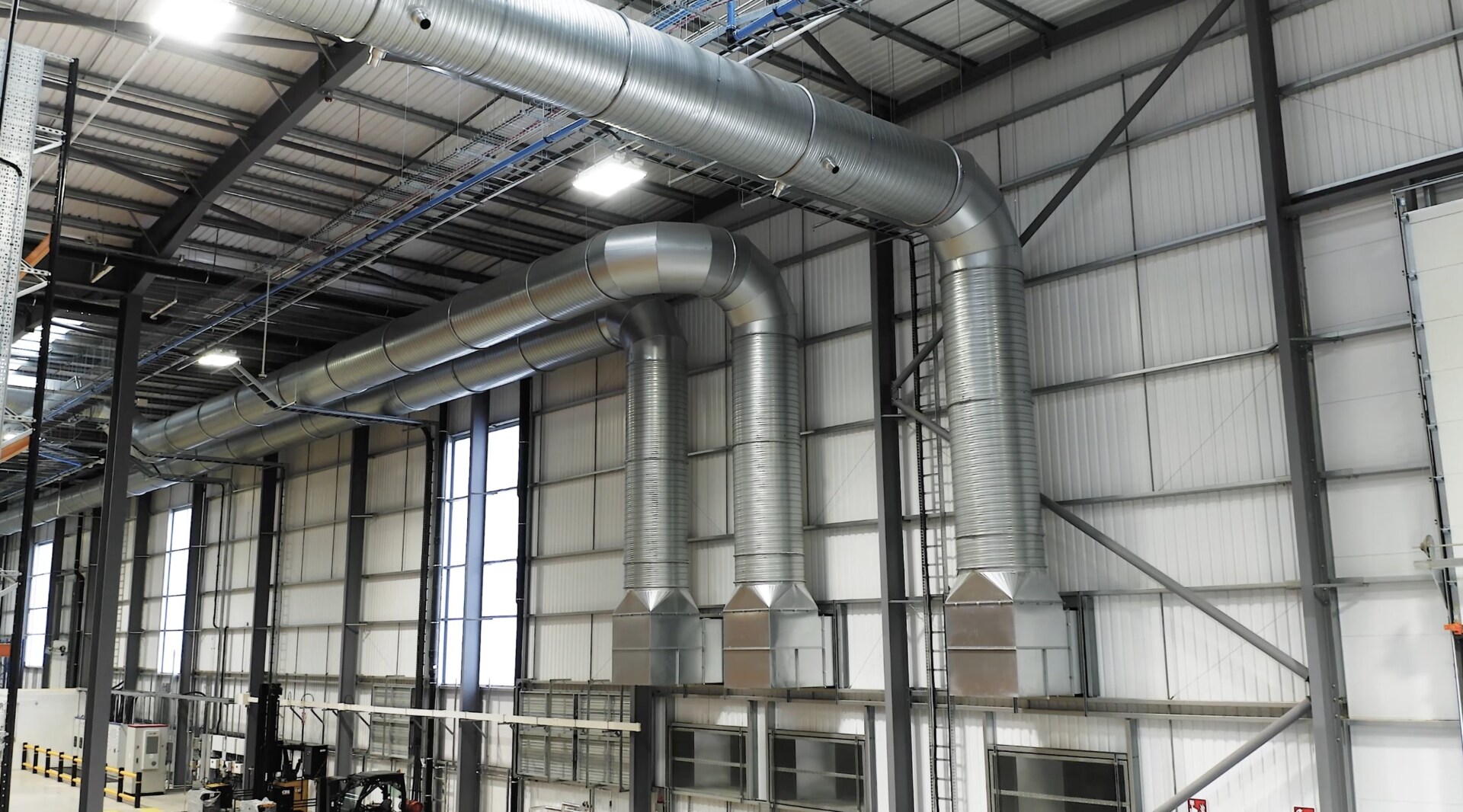
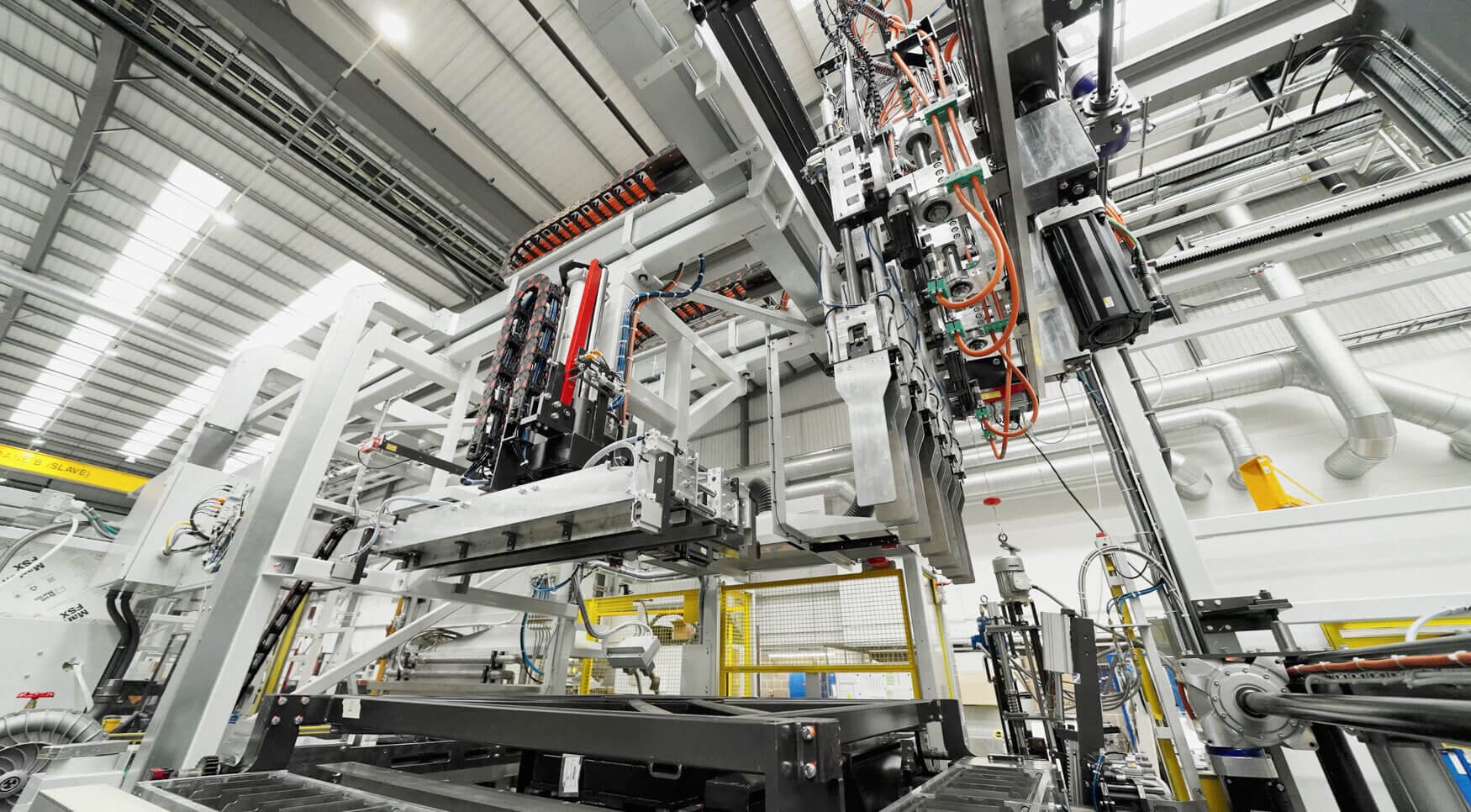
Manufacturing buyers often make careful, high-value decisions. A written list of capabilities is useful, but it cannot fully communicate the reality of a working production environment. Video can show machinery operating, teams collaborating, components being inspected and products moving through each stage of manufacture.
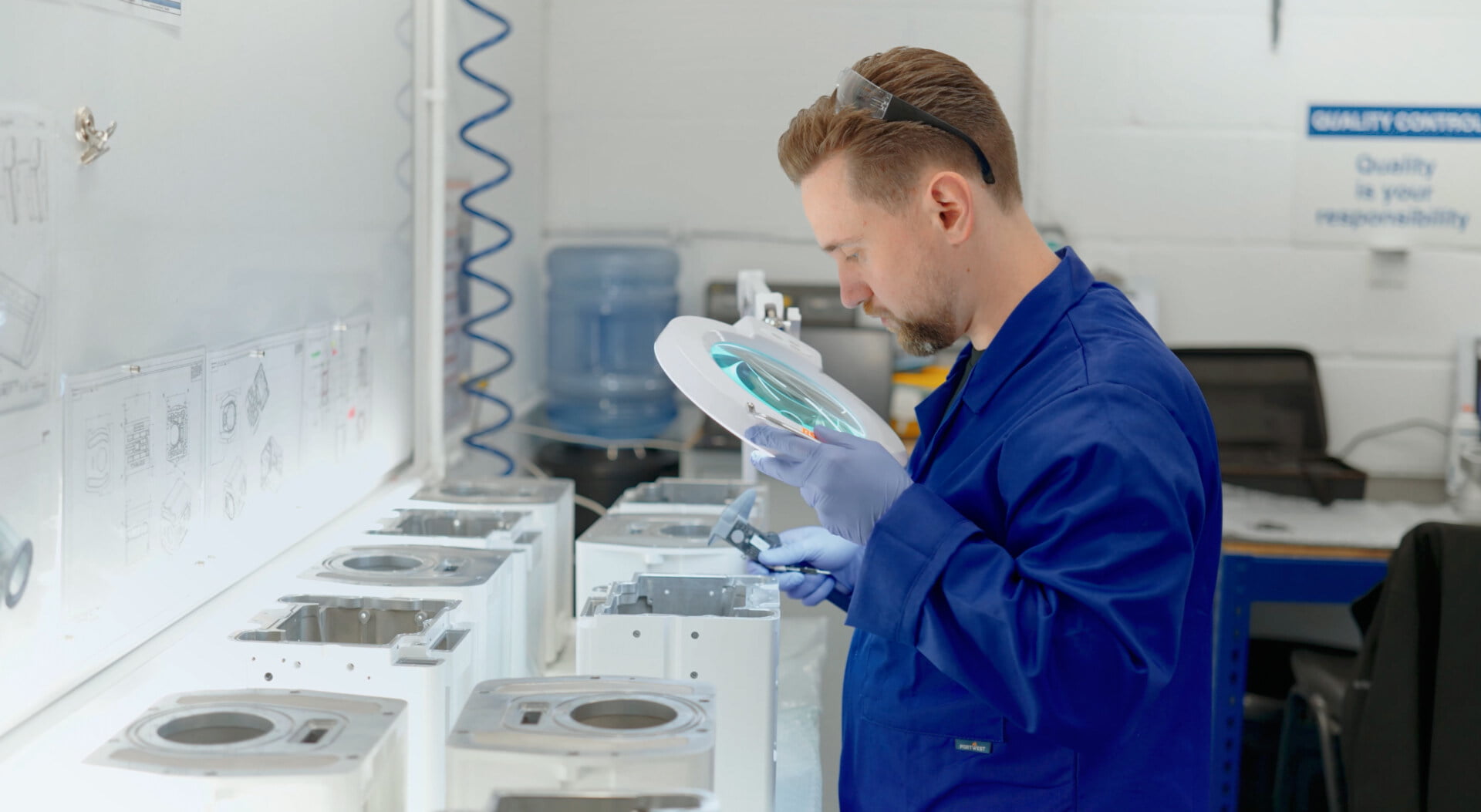
These details reduce uncertainty. They help viewers confirm that the business has suitable equipment, organised processes and experienced people. Even a short sequence showing material handling, machining, assembly and quality control can communicate far more context than a collection of isolated photographs.
Show real capability rather than making broad claims
Statements such as “high quality,” “industry leading” and “customer focused” appear on many websites. They become more persuasive when the audience can see supporting evidence. Close-up footage of precision work, calibrated equipment, traceability systems and final inspections turns general marketing language into something tangible.
The most effective manufacturing videos focus on specific strengths. That might be the size of components a company can handle, the speed of an automated line, the cleanliness of a controlled environment or the skill involved in a specialist finishing process. Specific visual evidence gives sales teams something concrete to discuss with potential customers.
Let knowledgeable people explain the work
People are central to manufacturing credibility. Engineers, operators, project managers and apprentices can explain how challenges are solved and why particular methods are used. Their contributions reveal the knowledge that sits behind the equipment and make the business feel approachable.
Natural interviews are usually more convincing than heavily scripted statements. Carefully planned questions allow contributors to speak in their own words about quality, service and technical expertise. When these comments are paired with footage of the person working, the audience sees both confidence and practical experience.
Make complex processes easier to understand
Many industrial products and services are difficult to explain to a non-specialist audience. Manufacturing video production can break a complex workflow into a logical visual sequence. Wide shots establish the environment, medium shots show how people and machines interact, and detailed shots highlight the stages that require particular precision.
Graphics, captions and animation can add further clarity when an internal process cannot be filmed or when the finished product contains hidden technology. The goal is not to simplify the subject until it loses meaning. It is to organise the information so purchasing teams, technical stakeholders and senior decision-makers can all understand the value.
Use video throughout the sales journey
A manufacturing film can support much more than the homepage. Sales teams can include it in introductory emails, presentations and proposals. Shorter edits can focus on individual services, sectors or customer problems. At exhibitions, a visually strong film can attract attention even when it is played without sound.
Planning these uses before filming improves the return on the production. A single shoot can generate a main company film, social media clips, process demonstrations, recruitment content and a bank of current photographs. Each asset can answer a different question while maintaining a consistent visual identity.
Preparation protects production time
Factories and engineering sites are active workplaces, so filming must fit around production. A useful pre-production plan identifies the most important processes, confirms when they will run and accounts for safety inductions, PPE, access limitations and confidential information.
This preparation also helps the crew choose the right equipment. Industrial environments can include difficult lighting, high noise levels, reflective surfaces and restricted working areas. Anticipating those conditions allows the filming day to stay efficient while producing footage that looks deliberate and professional.
Professional presentation reinforces confidence
Image quality is only one part of the result. Clear interview audio, consistent colour, appropriate music and focused editing all influence how the manufacturer is perceived. The pace should feel purposeful, and every shot should support the main message rather than simply filling time.
Accuracy is equally important. Technical teams should have an opportunity to check terminology, process order and sensitive details before release. A well-managed review protects credibility while keeping the project moving toward a clear final version.
Turn the first impression into a stronger conversation
Manufacturing video production gives potential customers a guided view inside the business before they arrange a visit or make an enquiry. It demonstrates capability, introduces the team and makes specialist processes easier to understand. Most importantly, it replaces vague claims with visible evidence.
When a prospect reaches the first sales call already familiar with the facility and confident in the company’s expertise, the conversation can move beyond basic introductions. That is where a carefully planned manufacturing film creates lasting value: it builds trust early and helps the right customers take the next step.