Factory lighting is designed to help people work safely, not to flatter cameras. Mixed colour temperatures, dark machinery, bright doors and reflective metal can all make industrial footage difficult to capture. Additional lighting can solve those problems, but it needs to preserve the authenticity of the workplace.
Good manufacturing video production reveals the real factory more clearly. It should not transform a working environment into an artificial studio. The right approach balances technical image quality with safe access, normal production and a believable visual atmosphere.
Begin by understanding the existing light
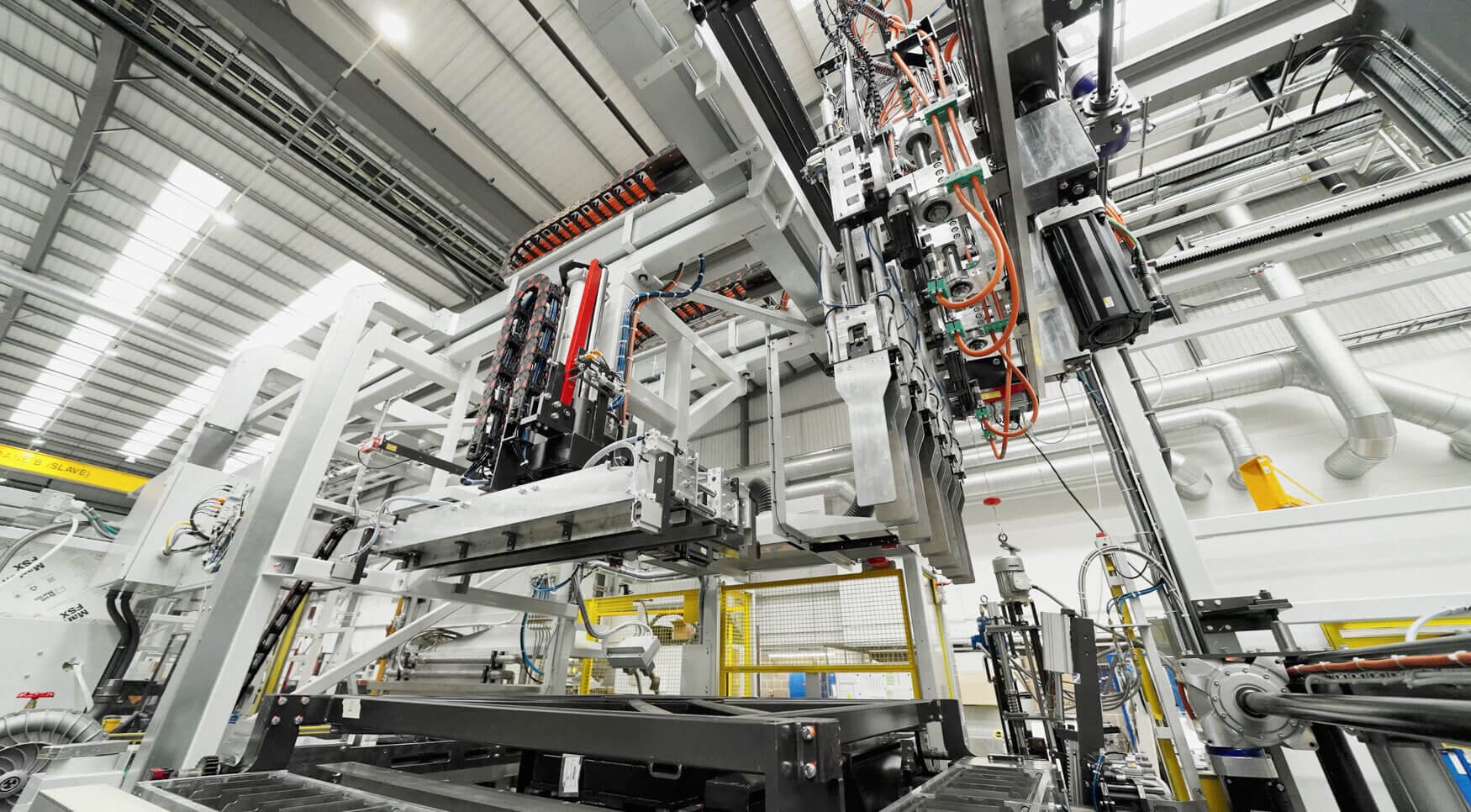
A pre-shoot recce should record where daylight enters, which areas rely on overhead fixtures and how conditions change during the day. Large loading doors may produce dramatic contrast, while older lamps can create colours that vary across one production line.
The crew can identify spaces that already look strong and areas needing support. This prevents unnecessary equipment from being brought into busy zones and helps the schedule use natural light at the most suitable times.
Lighting decisions should be integrated with the broader factory video shoot plan, including access, safety, shift patterns and the timing of important processes.
Use additional light to reveal rather than reinvent
The purpose of added lighting is often simple: lift a person from a dark background, show detail inside a machine or balance a bright window. Small, controlled adjustments can make footage readable without changing the character of the space.
Large soft sources can improve interviews and wider work areas, while compact lights can reveal tooling or components. Every fixture should have a defined job. Filling the factory with light may flatten the image and make it feel unlike the real environment.
Direction matters as much as brightness. Side and back light can reveal texture, steam, edges and movement, giving industrial subjects depth without creating an overly polished appearance.
Keep all equipment clear of production
Light stands, cables and power supplies create potential hazards. Their positions must be agreed with the site team and kept outside walkways, vehicle routes and machine operating zones.
Battery-powered fixtures can reduce cabling, although their use still needs to comply with site rules. Stands should be secured properly and never placed where vibration, air movement or routine activity could affect them.
The crew should adapt to the factory rather than asking production teams to work around unsafe equipment. Longer lenses and lights positioned from approved areas can often achieve the required image.
Manage mixed colour temperatures
Daylight, LED fixtures and older industrial lamps may each produce a different colour. If the camera moves between them without a plan, skin tones and products can change noticeably from shot to shot.
Camera settings, filters and carefully matched fixtures can create greater consistency. In some environments, retaining a controlled amount of colour variation helps different areas feel distinct and authentic.
Product colour may be commercially important. When finishes, coatings or materials need accurate representation, the team should agree a suitable reference and avoid dramatic lighting that distorts them.
Control reflections on metal and screens
Polished components and painted machinery reflect light sources clearly. Moving a fixture or changing the camera angle by a small amount can be more effective than increasing brightness.
Large diffused sources create broader, smoother reflections that describe shape. Flags and negative fill can remove unwanted glare or add contrast to surfaces that otherwise look flat.
Control panels create a different challenge. Screen brightness, reflections and refresh rates should be tested, while any confidential information must be replaced or avoided before filming.
Light people within the real environment
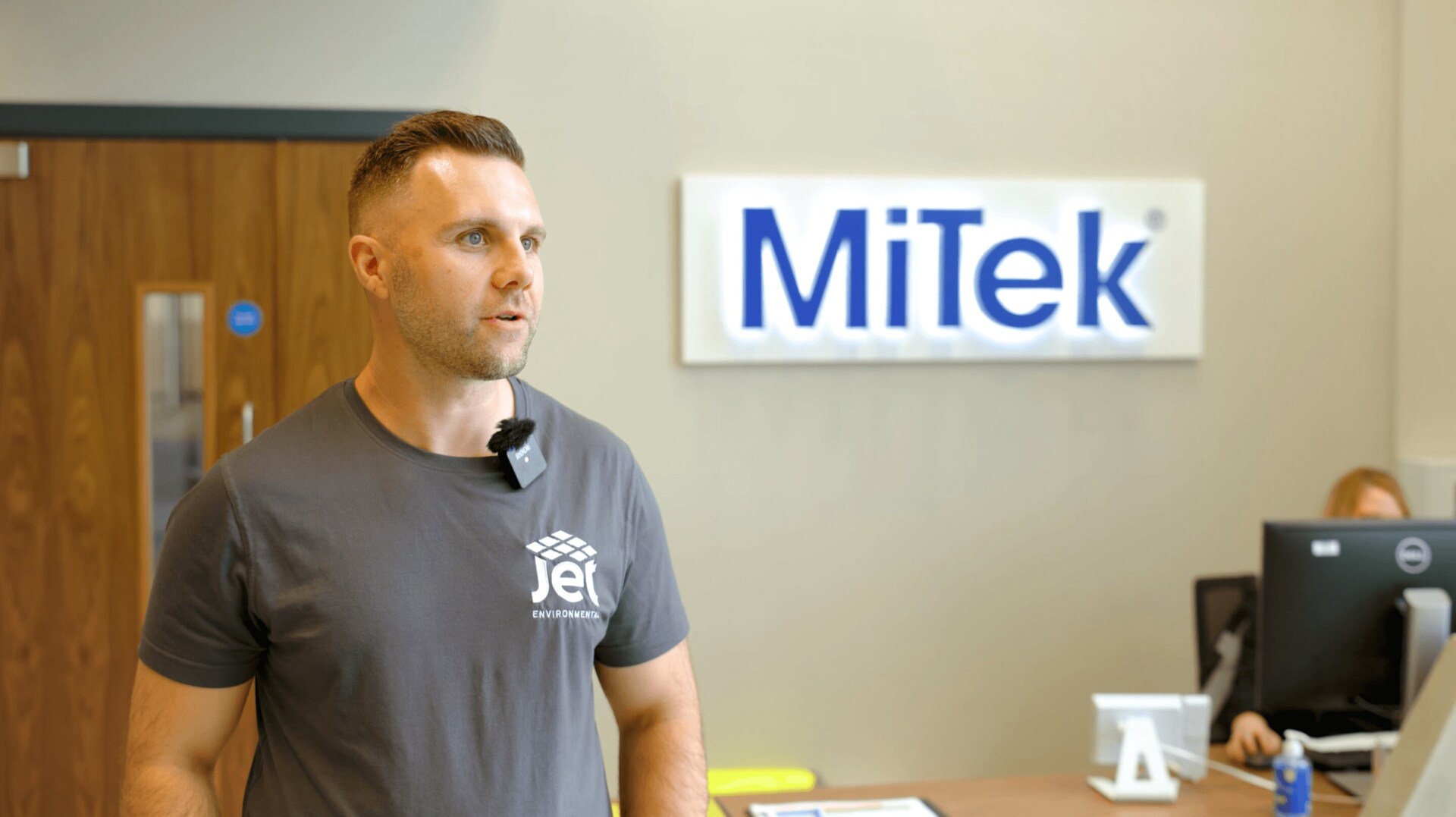
Employees should look like they belong in the factory, not as if they have been placed in front of it. Interview lighting can separate the contributor from the background while retaining visible equipment, depth and activity.
For working footage, operators should follow normal tasks and safety procedures. The crew can light the area broadly enough for natural movement instead of asking people to hit an exact studio mark.
This authenticity supports the same principles that make a manufacturing video feel credible: real expertise, genuine activity and visible evidence rather than staged gestures.
Choose when darkness adds value
Not every shadow needs removing. Welding, lasers, inspection lights and illuminated controls may look more impressive when the surrounding area remains darker.
Exposure must still protect important detail and safety. The operator, equipment and process should remain understandable, even when the sequence uses a more dramatic visual style.
A controlled contrast between bright activity and darker surroundings can guide attention. It becomes distracting only when viewers can no longer follow what is happening.
Plan for high-speed and slow-motion footage
High-frame-rate recording usually requires more light because each frame receives a shorter exposure. A process that looks adequately lit in real time may become noisy or unclear in slow motion.
The crew should identify which actions genuinely benefit from high-speed capture. Extra lighting can then be concentrated on those moments without complicating the entire production day.
Some industrial lamps flicker at frame rates invisible to the eye. Camera tests are essential before committing to a critical slow-motion sequence.
Support B-roll with consistent visual choices
A content library may contain footage from several departments, each with different lighting. Consistent contrast, colour and exposure help those images feel like one company story.
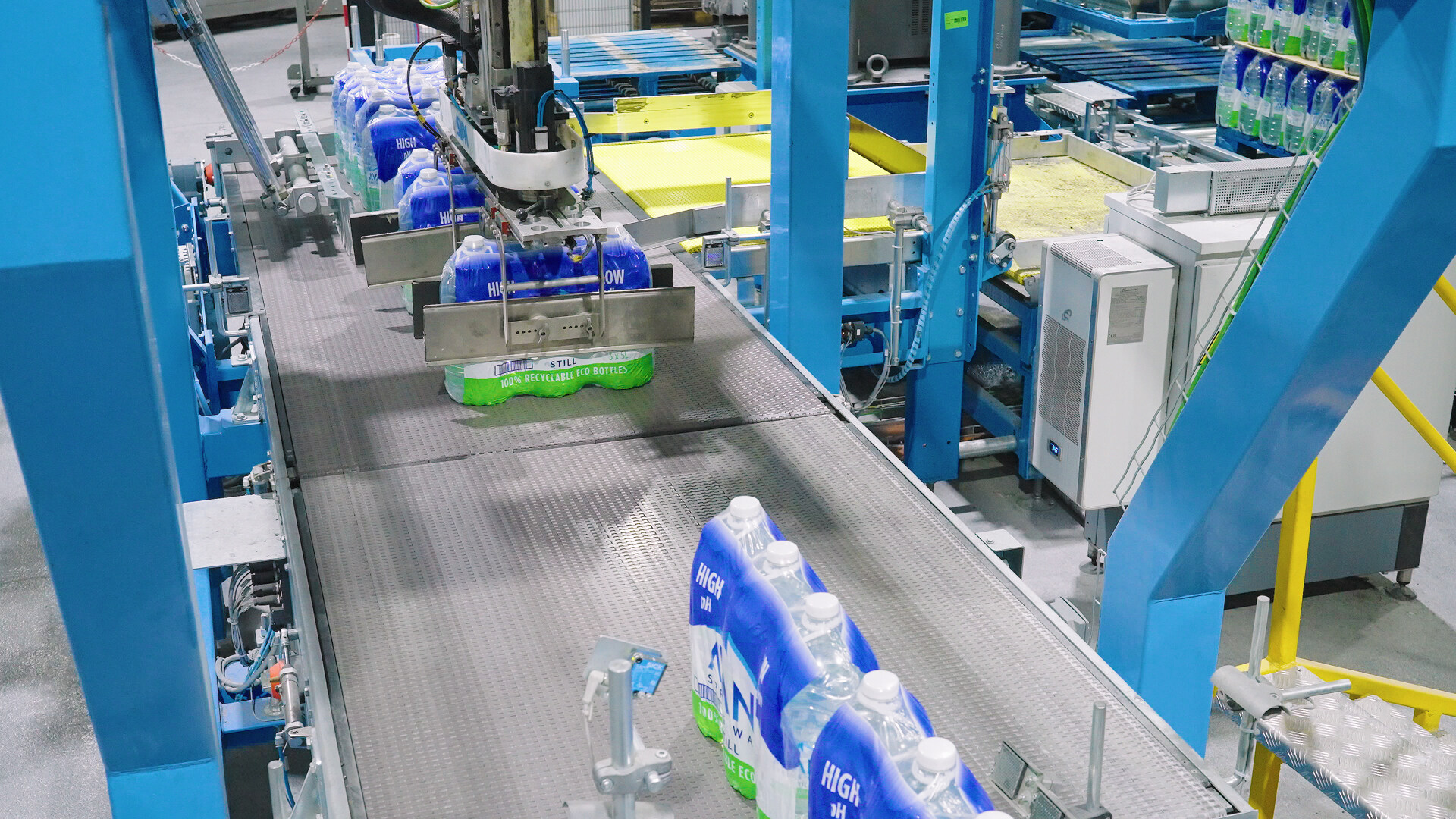
This does not mean every area must look identical. Foundries, clean assembly spaces and automated cells have different visual personalities. The lighting approach can respect each one while maintaining a recognisable standard.
Well-planned manufacturing video B-roll gives the lighting team a clear priority list and ensures the most important evidence receives enough time and attention.
Work efficiently with a small footprint
Industrial filming rewards preparation and restraint. A compact lighting package can move quickly between areas, use less power and reduce the impact on employees.
Shots can be grouped by location and lighting setup. Interviews in one area can be recorded together, followed by process details that use the same equipment. This protects the schedule and leaves more time for genuine production moments.
A designated site contact can approve positions and coordinate process timing, allowing the crew to make decisions without repeatedly interrupting operators.
Make the factory look like its best real self
The goal of industrial lighting is clarity, depth and consistency. It should help viewers appreciate machinery, people and process detail while preserving the character of the working environment.
By understanding existing conditions, adding light selectively and respecting production boundaries, manufacturing video production can create polished images without losing authenticity. The factory remains recognisable to its employees and believable to the customers watching it.