Shift handover is one of the most important communication points in a manufacturing operation. It is also one of the easiest places for detail to be lost: a machine setting may be remembered differently, a temporary workaround may not be recorded, or an emerging issue may sound less urgent when it is passed on verbally. A well-planned manufacturing video can give teams a consistent visual reference for what has changed, what needs attention and what good practice looks like.
Make the current state easy to see
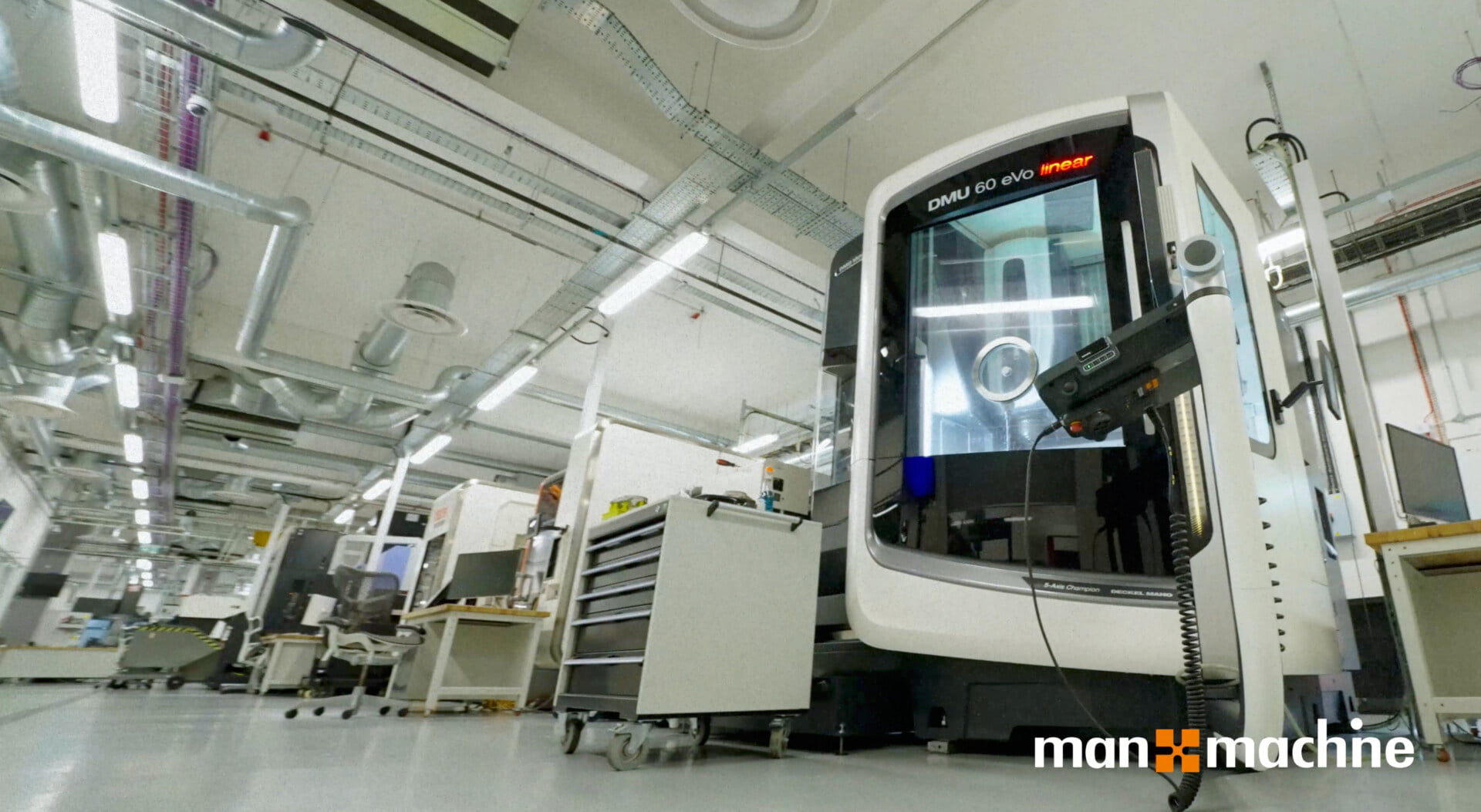
A handover video should begin with the operational context. Show the relevant line, cell or work area, then move into the details that the next shift needs to recognise. Clear framing can show the position of guards, the status of indicators, the location of tools and the condition of materials in a way that a written note often cannot. This is especially valuable where several similar pieces of equipment are operating close together.
The most useful films are specific rather than dramatic. A short sequence can show the normal start-up condition, the change that has occurred and the action expected from the incoming team. Where a visual explanation needs to cover a complex process, clear process storytelling helps keep the message accurate without overwhelming the viewer.
Capture the decisions behind the handover
Good handover communication is not only about showing what happened. It should also preserve why a decision was made. Interviews with the outgoing supervisor, engineer or operator can explain the symptoms observed, the checks already completed and the point at which the next shift should escalate. Recording these comments on location keeps the explanation close to the equipment and gives later viewers useful context.
Planning the questions before filming makes those interviews more concise. Prompts about timing, safety, quality, output and outstanding actions can turn an informal conversation into a dependable record. The same approach used when planning manufacturing video interview questions can help teams draw out practical information without putting words in an operator’s mouth.
Support safe and repeatable action
Where a handover includes a task, the film should show the sequence at a pace that supports safe repetition. Include the relevant isolation or permit requirements, the correct tools, the checks that confirm the task is complete and the points where work must stop. On-screen labels, close-ups and carefully chosen cutaways can make a sequence easier to follow while keeping the working environment authentic.
It is also important to decide who owns the finished video. A production team can create the film, but supervisors and subject-matter experts should confirm that the instructions reflect current practice. If the handover is connected to training, the finished asset can sit alongside a broader operator training video programme, giving new starters and experienced staff a shared reference.
Keep the format useful on the factory floor
Shift teams may view the video on a workstation, tablet or shared screen, often while wearing protective equipment and working under time pressure. Use readable captions, strong contrast and a clear opening summary. Break longer subjects into focused chapters so viewers can return directly to the relevant machine, issue or action instead of searching through one long recording.
Before filming, agree how updates will be managed. A handover video should show its date, area and version, and the production process should make it straightforward to replace when equipment, layouts or procedures change. That discipline turns video from a one-off record into a practical part of operational communication.
Make every shift start with the same information
When teams can see the condition of a process, hear the reasoning behind decisions and follow the required next steps, handover becomes more consistent. Manufacturing video does not replace a competent conversation or the site’s formal records. It strengthens both by giving people a precise, reusable reference that keeps important details visible across shifts.