Standard work only helps when people can understand it, remember it and apply it consistently. In a manufacturing environment, that can be difficult when instructions are spread across documents, experienced operators are busy, and the real sequence of a task is more nuanced than a checklist suggests. A well-planned manufacturing video can make that practical knowledge visible without pretending that every job is identical.
Show the sequence as it really happens
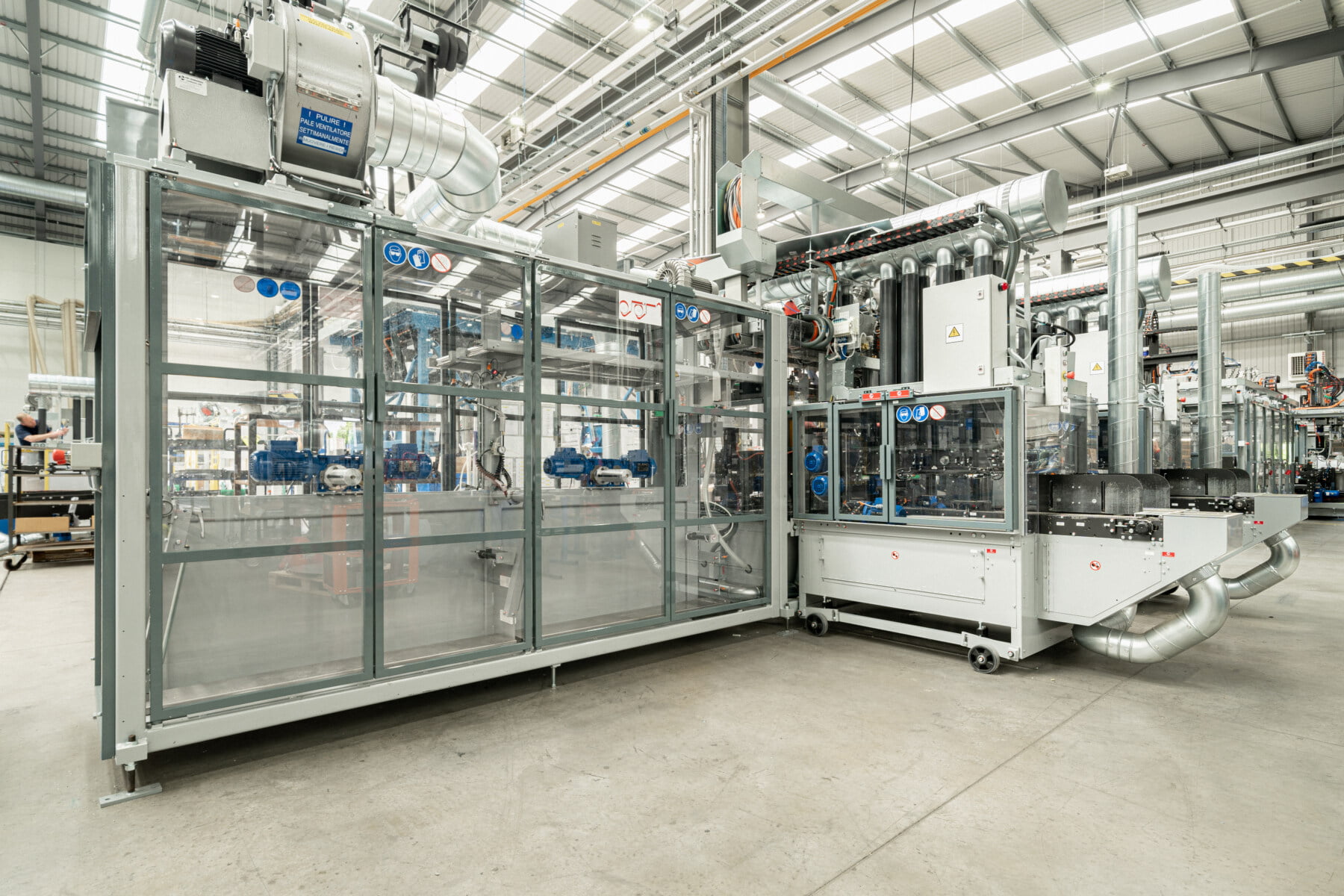
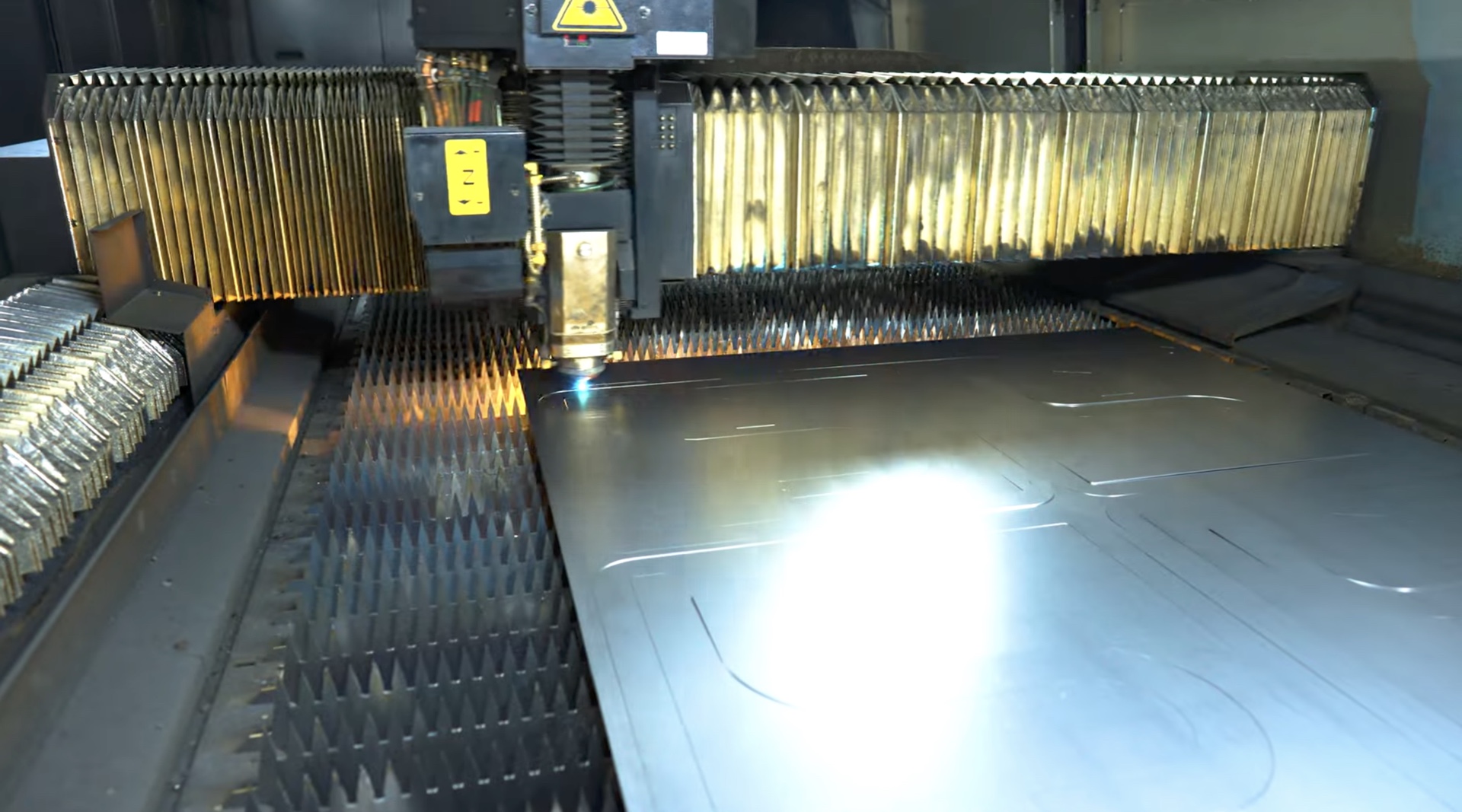
A useful film follows the movement, decisions and checks that matter on the shop floor. It can show how a component is positioned, where an operator pauses to confirm a setting, and what visual cue indicates that the next stage is ready. Close-ups provide detail while wider shots keep the work connected to the line, helping viewers understand both the action and its purpose.
This is especially valuable when a process has developed through experience rather than being captured fully in a manual. The film should be planned with subject-matter experts so that it distinguishes essential steps from personal habits. The result is a clear reference that supports onboarding, refresher training and conversations about improvement.
Connect standard work to the people using it
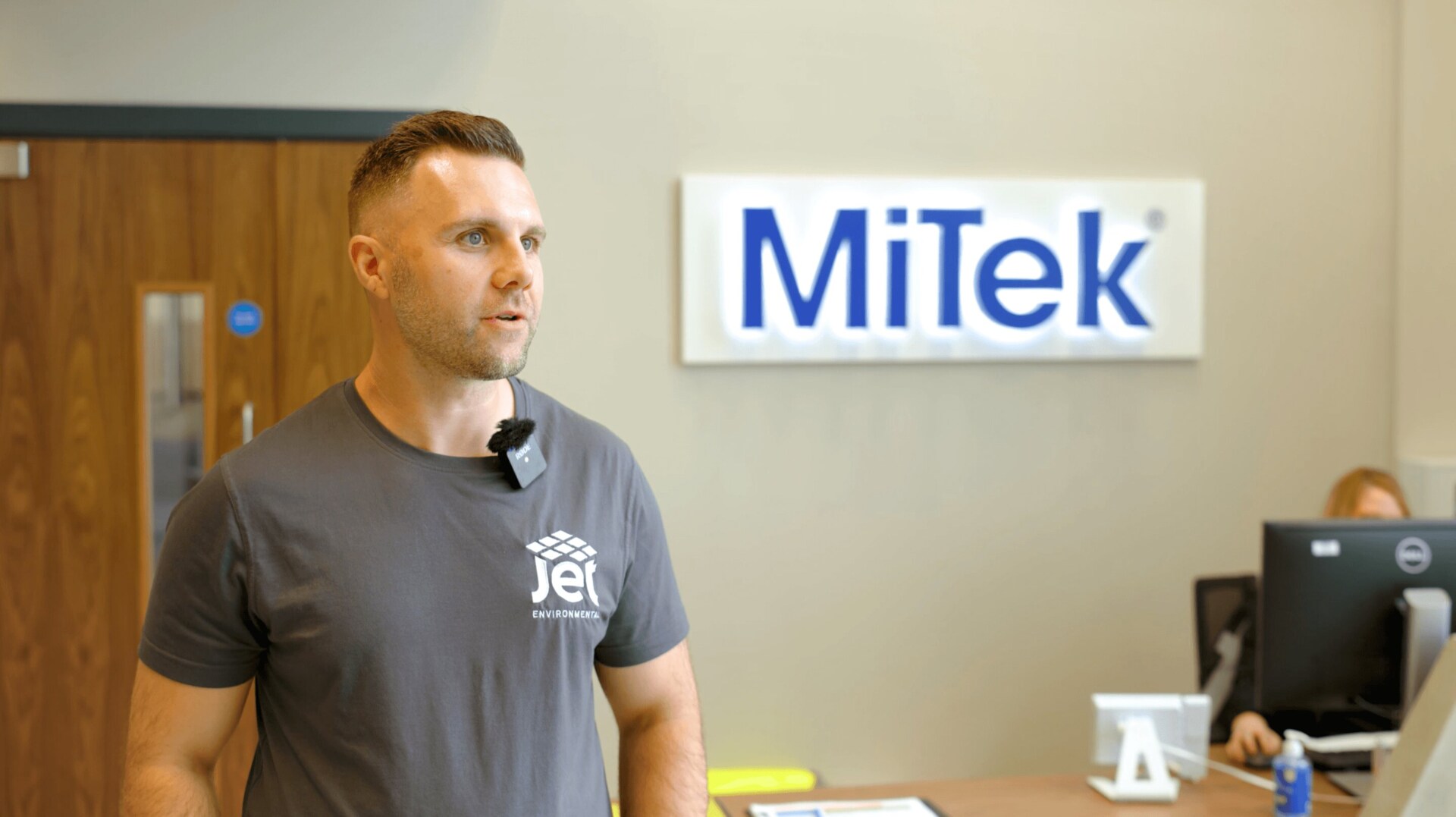
Standard work becomes more credible when the people who perform it can explain the reasoning behind it. Short interviews, carefully placed within the process footage, can clarify why a check exists, what a good result looks like and which mistakes create avoidable delays. That human context makes the content easier to trust and easier to discuss with a supervisor or colleague.
The same approach can reinforce operator training by giving new starters a consistent visual introduction before they work independently. It can also complement equipment setup guidance, where small differences in preparation can affect safety, quality or changeover time.
Use the film as a practical improvement tool
Recording a process often reveals questions that are easy to miss when it is described from memory. Is a tool being fetched more than once? Does an inspection interrupt the flow? Is a key instruction visible at the moment it is needed? Reviewing the footage with operators and engineers can turn those observations into focused improvement actions rather than vague assumptions.
Once the agreed method is clear, the video can sit alongside written documents and other controlled information. It should be dated, owned and reviewed when the process changes, so people know whether it still represents current practice. Linking the film to clearer process ownership helps prevent useful training content from becoming detached from the team responsible for maintaining it.
Plan for clarity, not spectacle
The strongest standard-work videos are not overloaded with dramatic shots or unnecessary jargon. They use clean audio, deliberate camera positions, readable graphics and a pace that matches the task. A short introduction can establish the objective, while chapters or on-screen labels help viewers return to the exact step they need.
With the right preparation, manufacturing video can turn tacit knowledge into a shared point of reference. It supports consistent work today, gives improvement teams something concrete to review and preserves valuable expertise as people, products and production demands change.