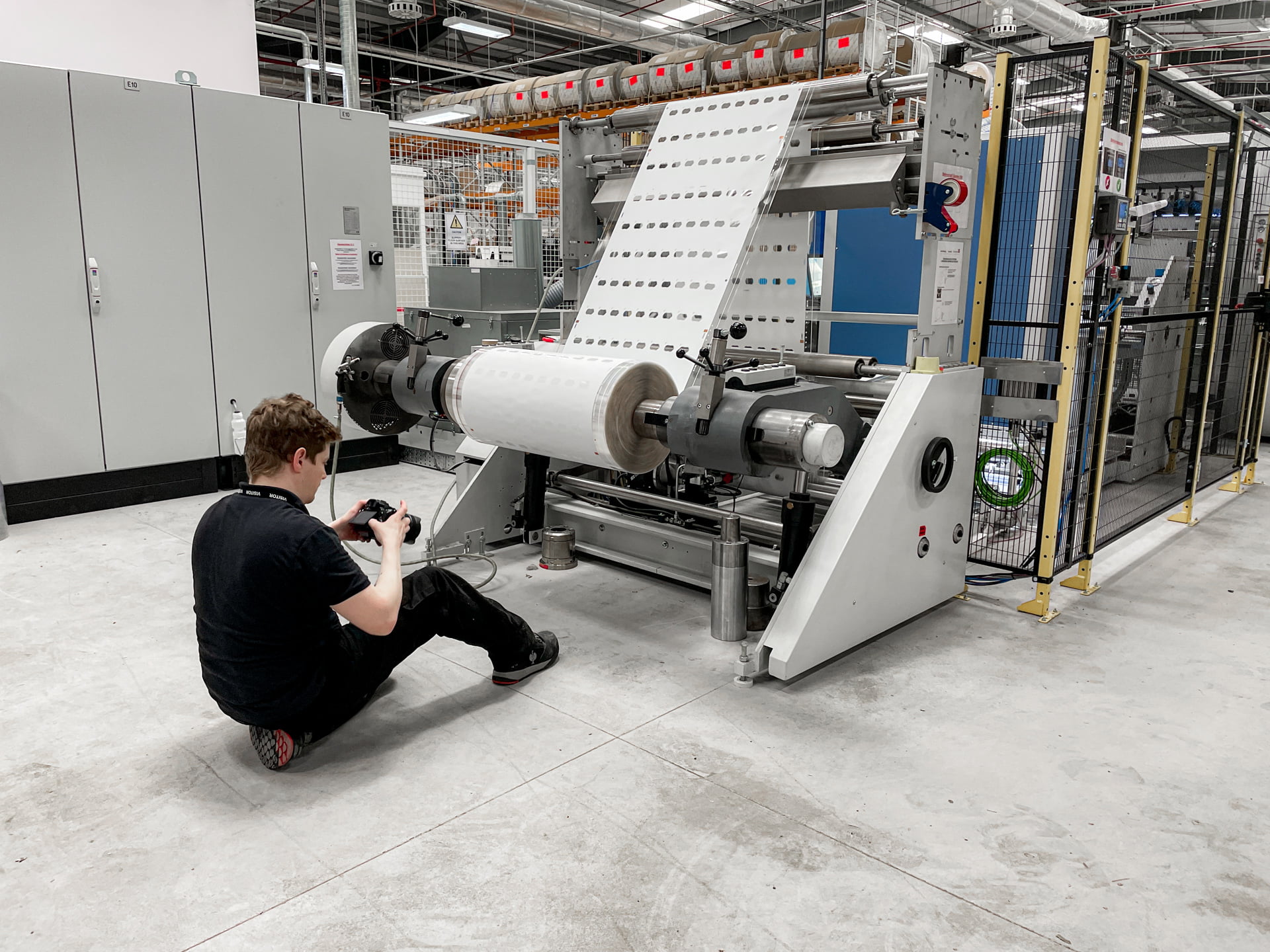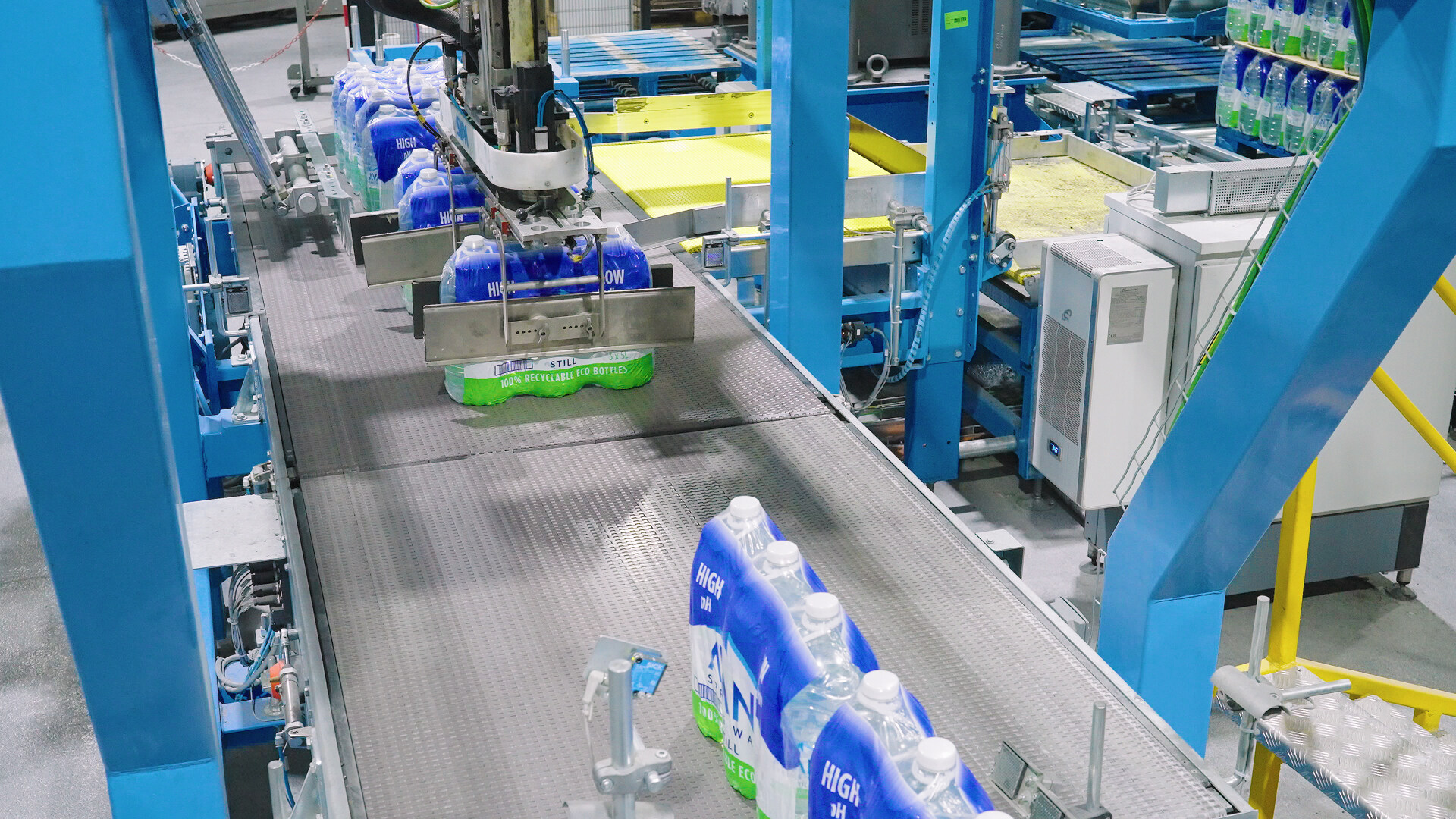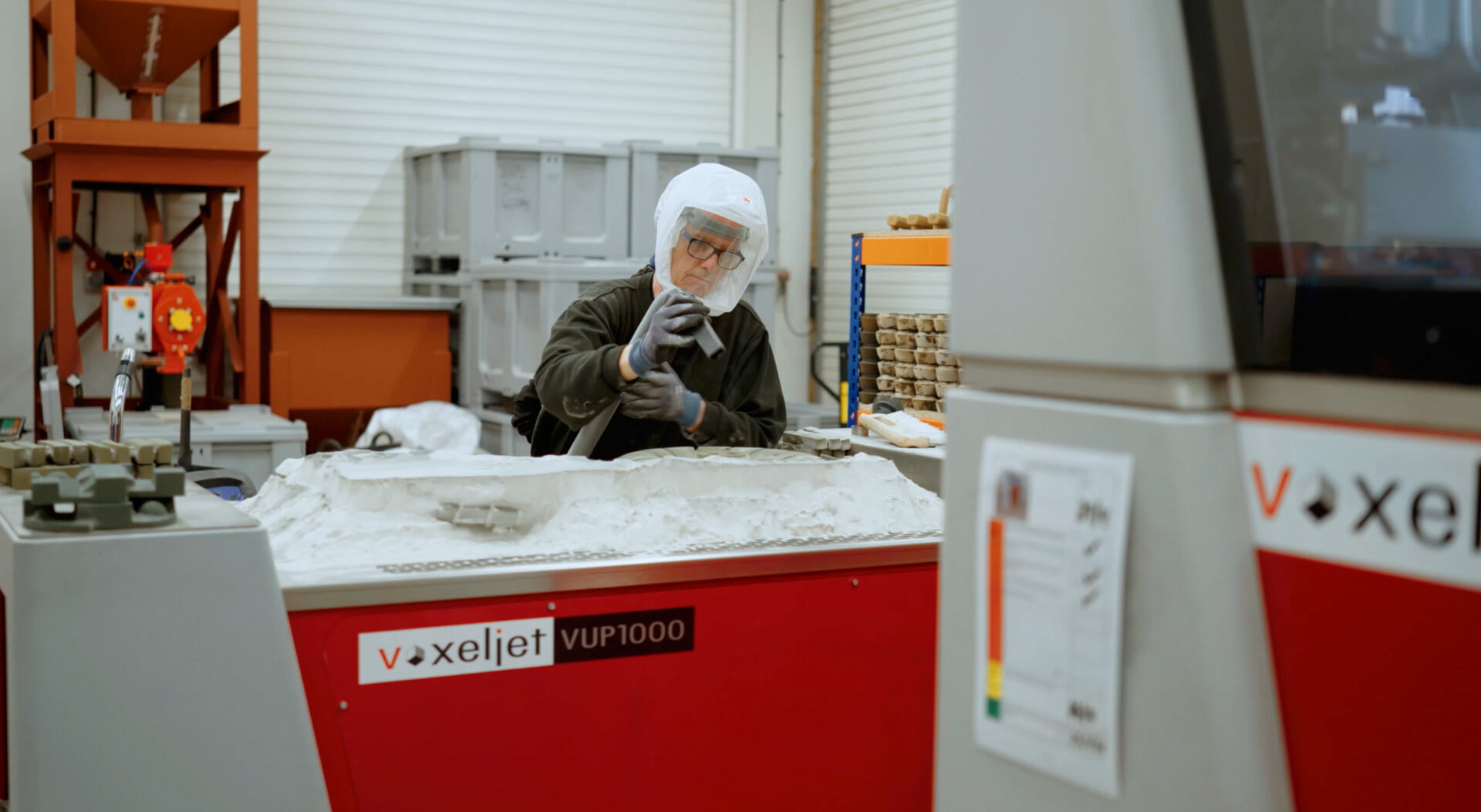
Equipment setup is often where a carefully designed manufacturing process becomes vulnerable to variation. The instructions may exist in a manual, a checklist, or the experience of one skilled operator, yet small differences in sequence, adjustment and interpretation can still affect the first-off product. A well-planned manufacturing video can make the intended setup visible, repeatable and easier to discuss across shifts.
Show the setup as a complete sequence
A useful film follows the real order of work rather than presenting a collection of disconnected close-ups. It can show how the area is prepared, which checks happen before power-up, where settings are confirmed and how the operator knows that the machine is ready. Wide shots establish context while close detail shows controls, gauges, tooling and reference marks that are difficult to describe precisely in writing.
The strongest videos also explain the reason behind each critical step. A short comment from an experienced operator can clarify why a particular adjustment matters, what an acceptable result looks like and which warning signs should stop the process. That context helps newer colleagues learn the judgement behind the procedure, rather than simply copying movements without understanding them.
Make the film useful for training and handover
Once the sequence has been captured, the same footage can support operator training without replacing supervised practical instruction. Chapters or short edits can focus on preparation, changeover, calibration and verification, giving teams a consistent visual reference before they work at the machine. Captions and clear on-screen labels are particularly valuable in noisy production environments.
Setup footage can also strengthen factory maintenance planning. By recording access points, guarding arrangements, isolation steps and the normal position of key components, a video creates a shared reference for maintenance conversations. It can help a planner understand the practical conditions around a task before arranging labour, tools or a production window.
Use evidence to improve the process
Filming a setup often reveals opportunities that are easy to miss during a busy shift. A tool may be stored far from the point of use, a check may depend on an undocumented assumption, or two teams may be following slightly different versions of the same instruction. Reviewing the footage with operators, engineering and quality colleagues turns those observations into a constructive improvement discussion.
That shared review can make process ownership clearer. The finished video should identify who maintains the standard, when it must be reviewed and how changes to equipment or materials will trigger an update. Treating the film as part of the controlled process documentation keeps it accurate and prevents a useful training resource from becoming an unofficial archive of yesterday’s method.
Plan for a video that stays accurate
Before the shoot, agree the purpose, audience and definition of a correct setup with the people who run the process. Capture normal working conditions, follow site safety requirements and avoid staging steps that would misrepresent the real task. After filming, check technical details with the process owner and decide where the approved version will be stored, how it will be found and who is responsible for replacing it when the process changes.
When manufacturing video is planned as a practical visual standard rather than a promotional afterthought, it can reduce ambiguity at the point where consistency matters most. It gives teams a common reference, supports better questions and helps improvement ideas move from individual experience into a process that everyone can understand.