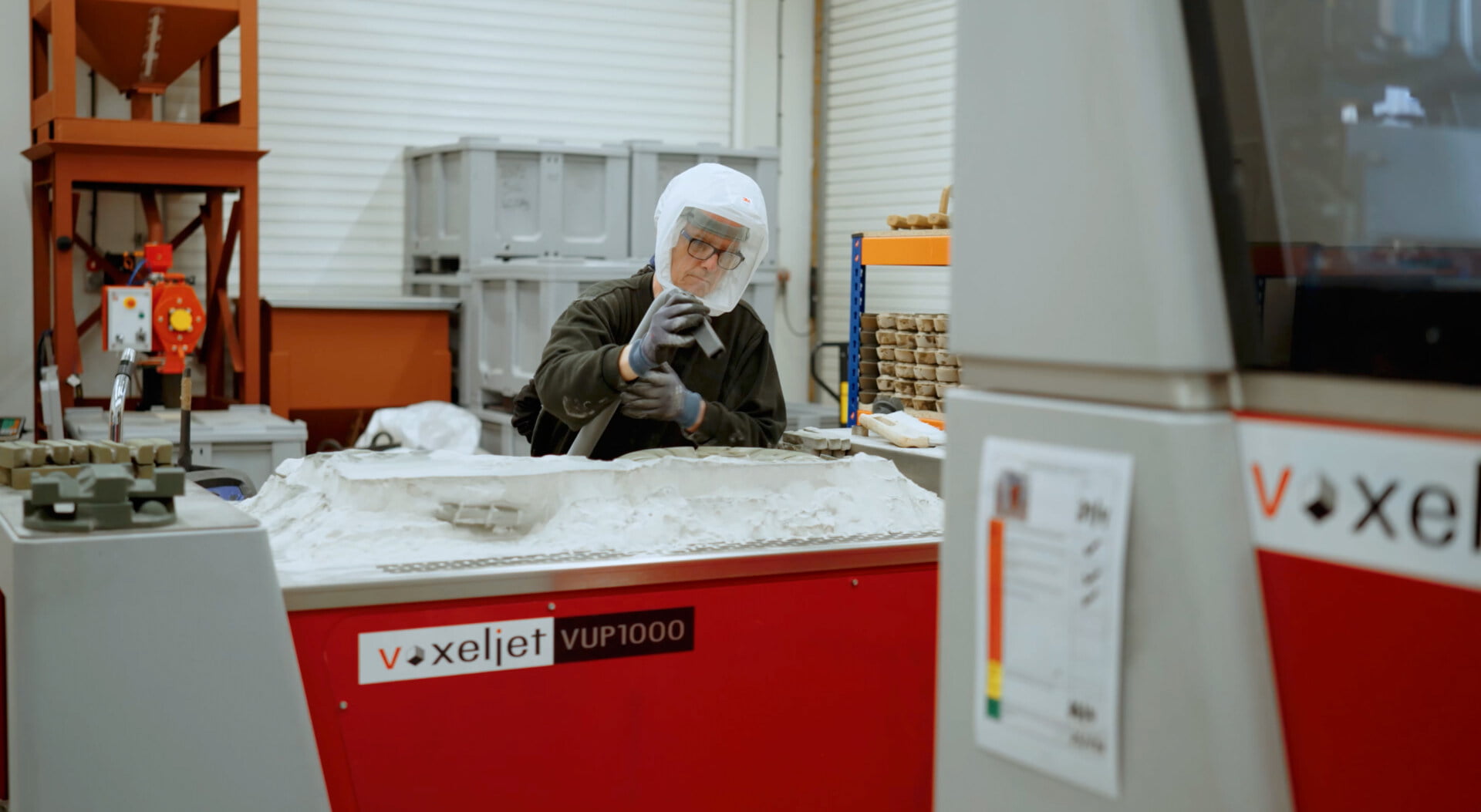
Changing a factory layout can look straightforward on a drawing, but the practical effect is often harder to judge. A new cell, inspection point, storage zone or pedestrian route changes how people, materials and equipment move through the working day. Manufacturing video can make those changes easier to explain before teams commit time and money to implementation.
Show the proposed flow in a way people can test
A good layout video gives viewers a grounded sense of sequence. It can follow material from receipt to dispatch, show where operators pause or cross paths, and reveal whether the intended flow works at human scale. This is particularly useful when a project team is spread across production, engineering, quality and logistics, because each group can assess the same visual evidence from its own perspective.
The film does not need to be a polished promotional piece. Clear camera positions, simple annotations and a calm explanation of the proposed route may be more valuable than dramatic coverage. Where the change affects visual problem solving on the factory floor, the video can become a shared reference for identifying obstacles before they become expensive rework.
Make constraints visible before the move
Layout discussions often focus on the ideal path while overlooking the constraints that shape everyday work. A video can capture turning circles, sight lines, access for maintenance, the position of temporary stock and the space needed for safe intervention. It can also show how the proposal behaves during a busy period rather than only when the area is quiet and uncluttered.
When the layout supports a new product or higher output, the film can connect physical changes to production capacity. That connection helps commercial and leadership audiences understand why a small relocation matters, while giving operational teams a chance to challenge assumptions about staffing, replenishment and inspection.
Create a record for implementation and review
Once the layout is approved, the same production can support implementation. Short sections can explain what changes first, which areas remain live, where temporary controls sit and what a completed workstation should look like. Referencing the agreed visual sequence reduces the risk that different shifts interpret the project differently.
After the move, a follow-up recording can compare the intended flow with the working reality. This creates useful evidence for a review meeting and complements better production decisions from visual evidence. The comparison may reveal a queue, awkward reach, blocked sight line or unplanned workaround that is easy to miss in a spreadsheet.
Plan the story around decisions
The strongest layout videos are structured around the decisions viewers need to make. Start with the current challenge, show the proposed change, explain the expected benefit and give people enough detail to test the idea honestly. Include the voices of operators and supervisors who understand the exceptions that a plan can hide.
With that approach, manufacturing video becomes part of the improvement process rather than a record created after the work is finished. It helps teams see movement, capacity and practical constraints together, creating a clearer basis for approval, implementation and continuous learning.