Production readiness reviews often bring together engineering, operations, quality, maintenance and commercial teams at a point when small misunderstandings can still become expensive delays. The challenge is that a review can describe the intended process without showing how the work will actually happen on the factory floor. A well-planned manufacturing video adds practical evidence to the conversation, helping teams test assumptions before a product, line or process is released.
Make the intended process visible
Readiness depends on more than a completed drawing or an approved procedure. People need to understand how materials move, where checks take place, which tools are required and what the operator is expected to notice. Video can show the sequence at a useful level of detail, from the arrival of components through to inspection, packing or dispatch. That shared visual reference makes it easier to spot missing steps, awkward movements and unclear ownership.
The strongest films are built around the questions a readiness review must answer. Instead of recording every activity equally, the production team can focus on hand-offs, decision points and moments where variation is likely. This is where clear explanations of complex industrial processes help: the finished edit gives reviewers a concise way to understand the work without asking everyone to reconstruct it from technical documents.
Expose practical risks before launch
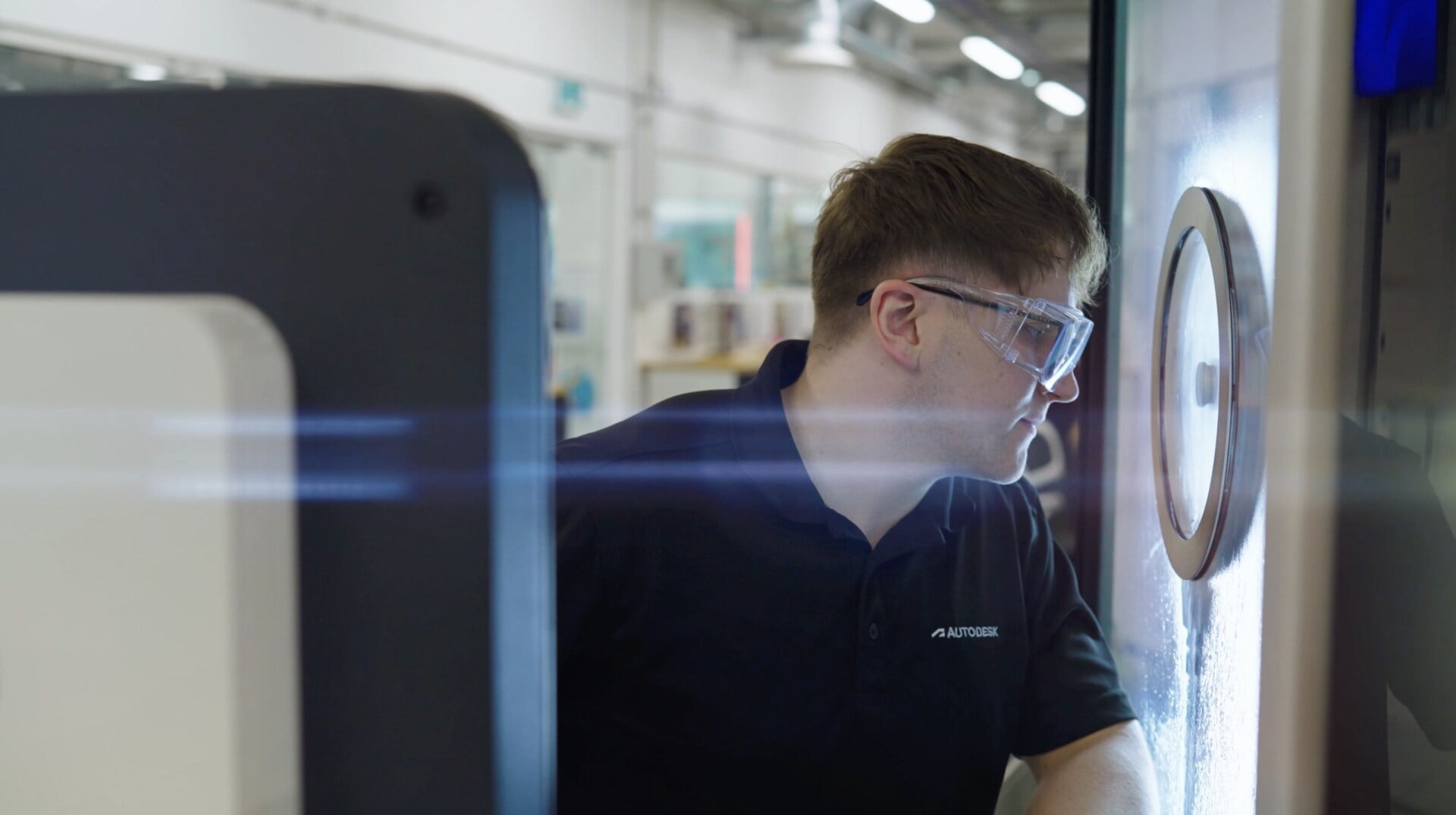
A camera can reveal issues that are easy to miss in a meeting room. An operator may need to turn repeatedly to read a screen, reach across a guarded area or leave the workstation to fetch a tool. A quality check may be technically specified but difficult to perform consistently under normal production pressure. Showing the real sequence allows the team to discuss those details while changes are still manageable.
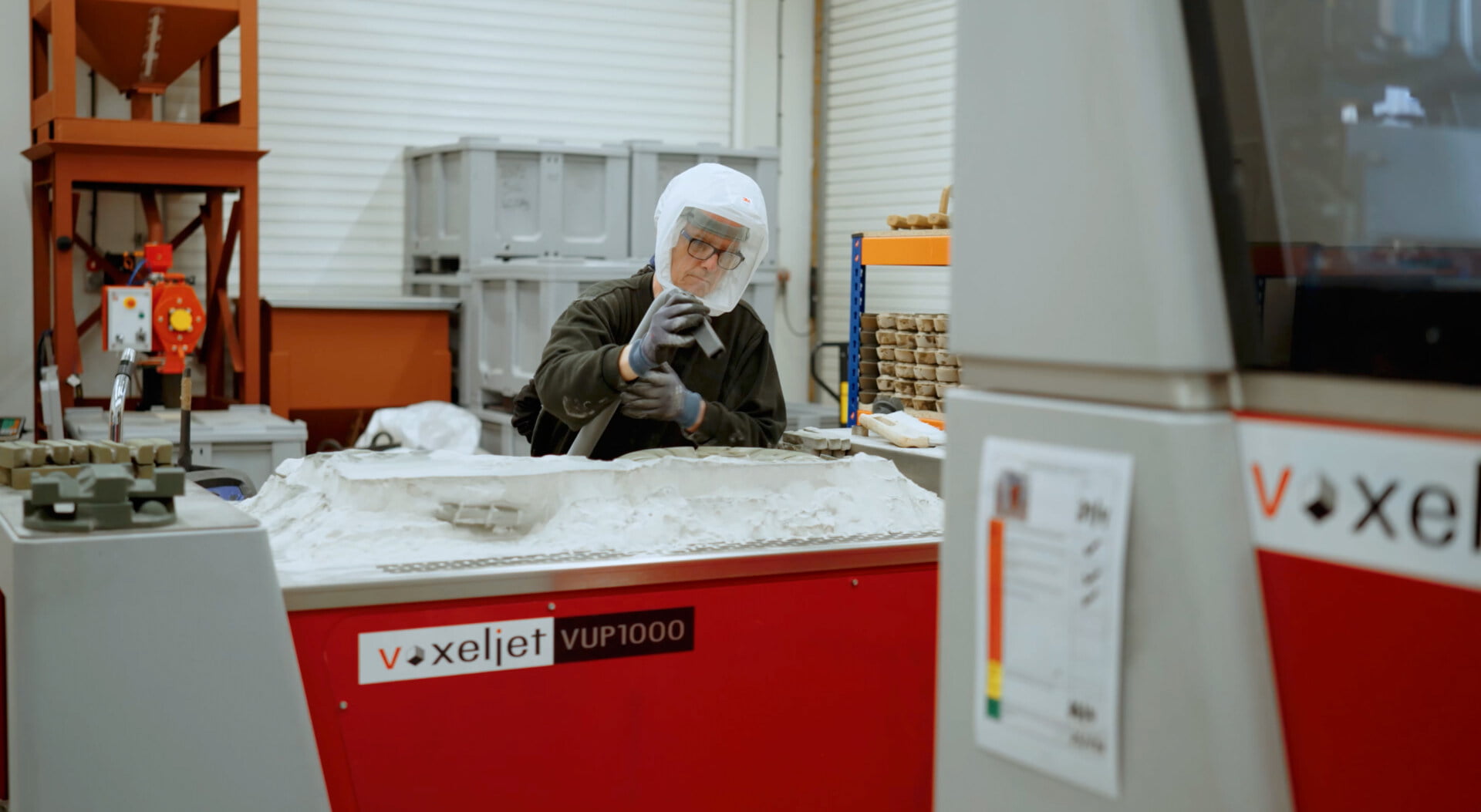
Video should never encourage unsafe demonstrations or bypass established controls. The shoot needs a clear risk assessment, agreed access routes and a plan for filming around live equipment. Where the process is safety-critical, the approach should follow the same disciplined principles described in responsible filming of safety-critical manufacturing work. The value comes from making approved work easier to examine, not from creating a dramatic performance for the camera.
Support cross-functional decisions
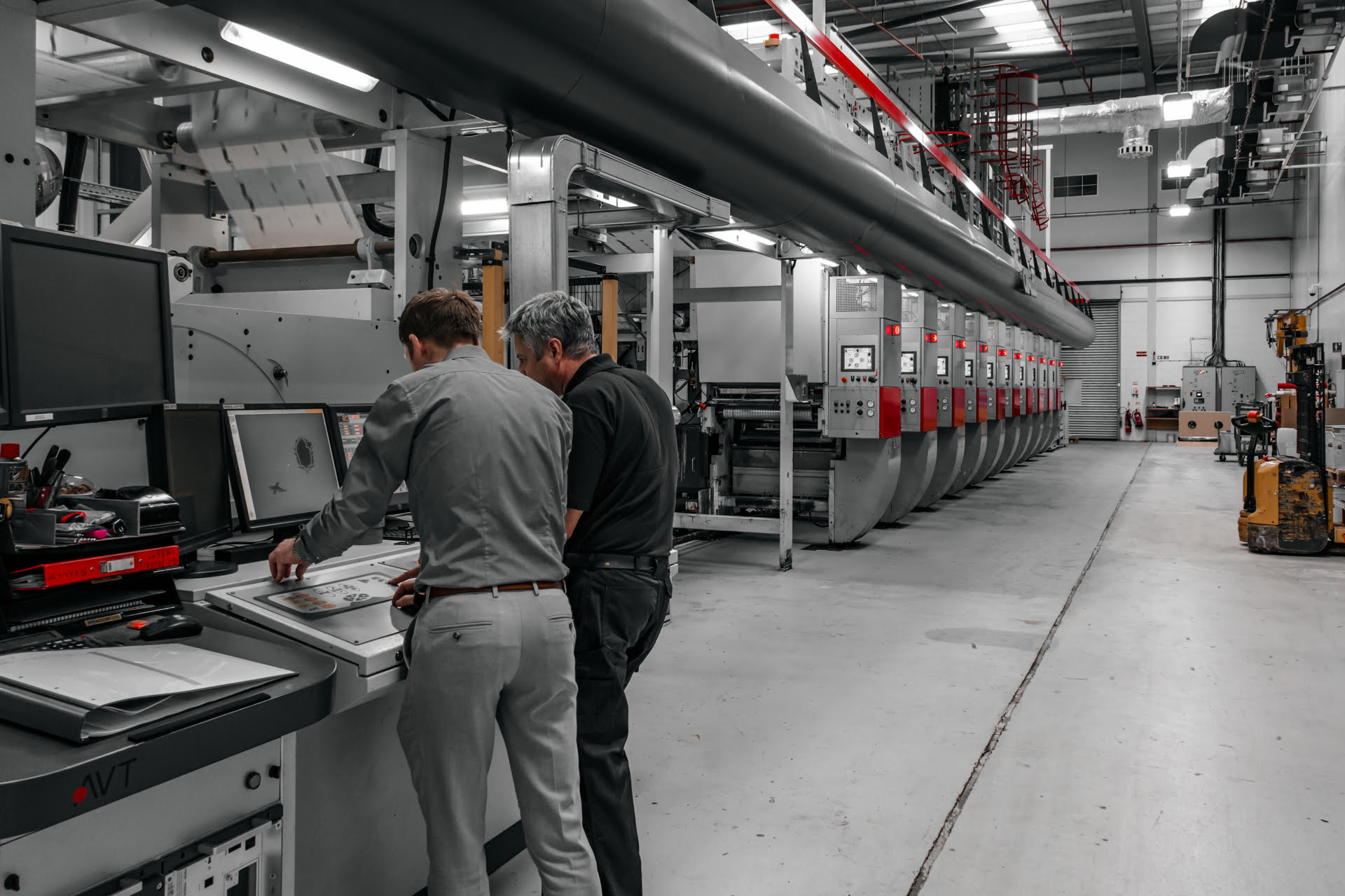
Production readiness reviews can become abstract when each department uses different language. A short sequence showing the actual workstation gives engineering, quality and operations something concrete to discuss together. Graphics can identify a tolerance, a control point or a required record, while natural sound and carefully chosen close-ups preserve the context of the work. The result is a practical discussion about what must change, who owns the change and how it will be checked.
The same footage can also help prepare supervisors and support teams before the first production run. A focused version might explain the purpose of a new control, while a longer internal cut records the reasoning behind the process. Planning these uses at the outset makes one factory visit more valuable; the principles in turning one factory shoot into a year of useful video content are especially relevant when launch activity is likely to continue for several months.
Build a review asset that stays useful
To keep the film useful after the meeting, organise it around clear sections and label the locations, stages or equipment shown. Keep claims precise, avoid presenting temporary workarounds as the finished method and record the version or stage of the process where appropriate. A short opening can explain the review objective, followed by the process sequence, key observations and any agreed next actions.
Used this way, manufacturing video becomes more than a communications asset. It becomes visual evidence for a better readiness conversation: one that helps teams find friction early, align on the intended method and enter production with fewer assumptions left unresolved.