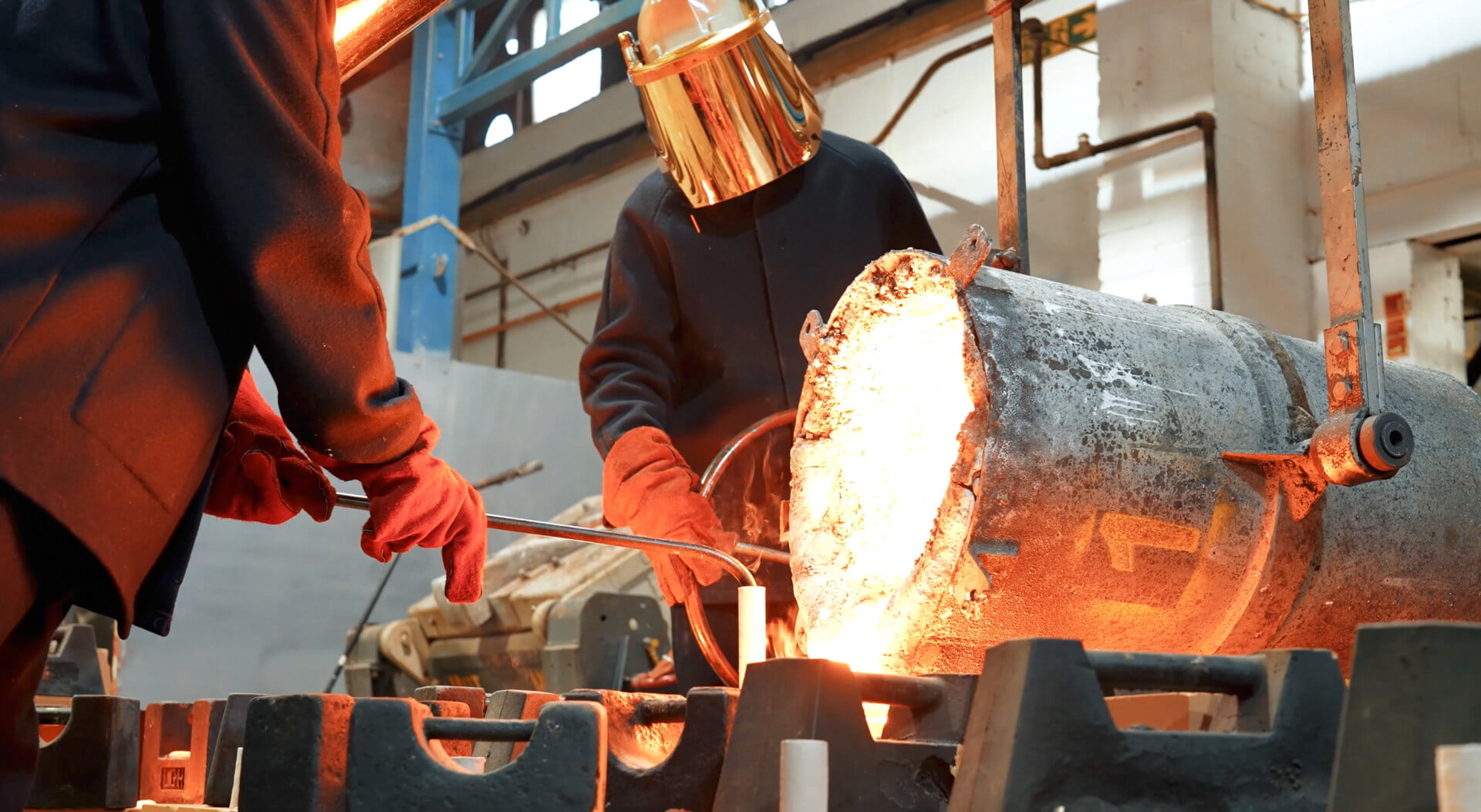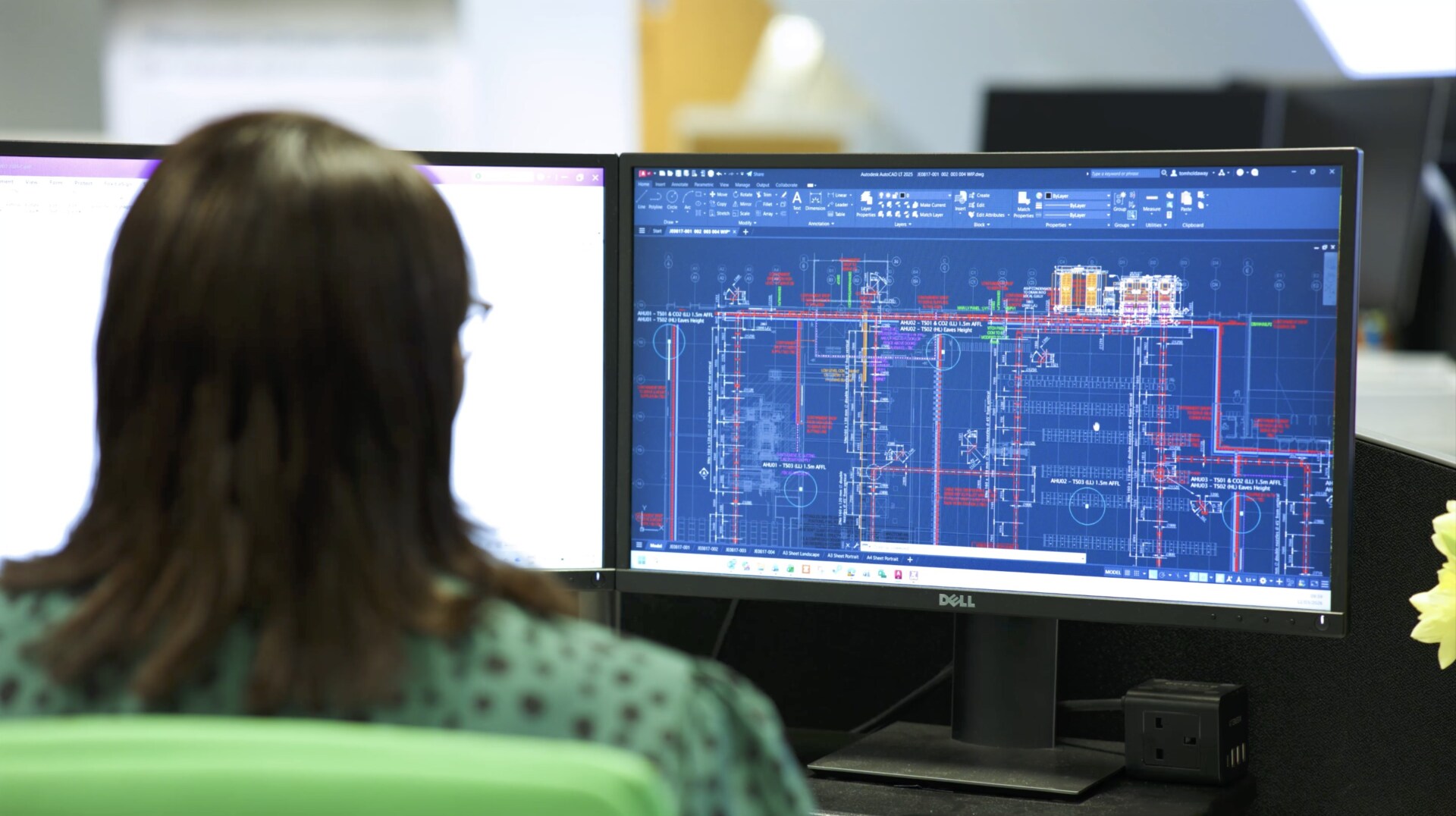
Production reviews often generate useful observations, but the value can disappear when actions are remembered differently by different teams. A manufacturing video can give those conversations a shared point of reference: the actual sequence, condition or decision captured on the factory floor. That makes it easier to agree what happened, what needs to change and who owns the next step.
Make the review evidence specific
The strongest review footage is planned around a question rather than a general desire to film the line. It might show where a handoff slows down, how an operator interprets an instruction or what changes when a machine is adjusted. Short, well-framed clips help a team discuss observable details instead of relying on impressions. This is particularly useful when a review includes people who were not present during the original run.
Connect observations to decisions
Video becomes more useful when each clip is paired with the decision it is intended to support. A review can identify the relevant moment, note the operational consequence and record the agreed response. A clear visual record can complement faster production decisions by reducing the time spent reconstructing events before the discussion can begin.
Give actions a visible owner
A review should finish with more than a list of observations. The footage can help define the action precisely: change a setting, revise a work instruction, test a layout or arrange a follow-up observation. When the agreed change is visible in the clip, the owner has a clearer starting point and colleagues can recognise what completion should look like. This also makes later progress reviews more focused because the team can compare the new condition with the original evidence.
Use footage to improve the next review
Over time, a small library of review clips can reveal recurring patterns. Teams may notice the same ambiguity at a handover, repeated variation between shifts or a control that works in theory but is difficult in practice. Those patterns can inform more consistent production quality reviews and help managers choose which issues deserve deeper investigation.
Keep the process practical
Production review video does not need to turn every meeting into a film project. Agree the purpose before recording, keep clips short, protect confidential information and involve the people who understand the work. Good audio and a stable viewpoint usually matter more than elaborate equipment. The goal is a dependable visual record that supports the review, not footage that creates extra administration.
When teams use video to show the condition, discuss the cause and define the response, follow-through becomes easier to manage. The same approach can support visual problem solving on the factory floor, giving production conversations a shared language that is concrete, repeatable and easier to revisit.