Machines and processes may provide the visual energy in a manufacturing film, but people give the story meaning. Engineers, operators, apprentices and managers can explain why the work matters, how standards are maintained and what distinguishes the company from its competitors.
Choosing the right contributors is therefore an important part of manufacturing video production. The most senior person is not automatically the best speaker, and the most experienced specialist may need support to feel comfortable on camera. A thoughtful selection process creates a film that feels credible, clear and human.
Begin with the audience and purpose
The right contributor depends on who will watch the film. A technical buyer may value an engineer who can explain process advantages accurately. A procurement team may want reassurance from a quality manager, while potential apprentices are likely to connect with employees who recently followed the same career path.
Defining one primary purpose prevents the film from becoming a series of disconnected interviews. Each speaker should help answer a specific audience question or support an important claim. That makes their contribution useful rather than simply giving every department equal screen time.
The wider structure also matters. Reviewing what to include in a manufacturing company video can help identify where employee voices will add explanation, proof or personality to the visual story.
Look for knowledge and natural enthusiasm
A strong contributor understands the subject and cares about communicating it. They do not need polished presentation skills. Genuine enthusiasm, a clear grasp of the process and the ability to speak in everyday language are usually more valuable than a formal delivery.
Department leaders can suggest people who are respected by colleagues and comfortable explaining their work. A brief informal conversation before filming will reveal whether someone can provide concise examples and avoid unnecessary jargon.
It is useful to select backups as well. Production demands, absence or last-minute nerves can affect availability, and having another informed contributor protects the schedule without forcing someone to appear.
Use different roles to build a complete picture
A manufacturing company is rarely represented well by one voice. An operator can describe day-to-day skill, an engineer can explain technical thinking, and a quality specialist can show how consistency is protected. A customer-facing colleague may connect those capabilities to commercial outcomes.
Combining roles gives the film rhythm and authority. It also demonstrates collaboration across the business. Viewers see that expertise is distributed through the organisation rather than resting with a single spokesperson.
This approach is particularly effective when the film needs to make complex industrial processes easier to understand. Each person can explain the stage they know best while the edit creates one coherent sequence.
Prepare questions instead of scripts
Fully scripted answers often sound stiff and can increase pressure on contributors. Focused questions produce more natural language. Ask what happens at a particular stage, why a check is important, what problem the process solves or what makes the team proud.
Questions should invite specific examples. “How do you maintain consistency?” is more useful than “Is quality important?” A detailed answer gives the editor strong material and helps the audience understand the evidence behind a claim.
Contributors can receive themes in advance without being asked to memorise exact wording. This gives them time to consider examples while preserving a conversational delivery on the day.
Create a comfortable interview setting
Most manufacturing employees are not professional presenters. The crew should explain the process, allow time to settle in and make clear that answers can be repeated. A relaxed conversation with one interviewer is usually less intimidating than speaking directly to a large group.
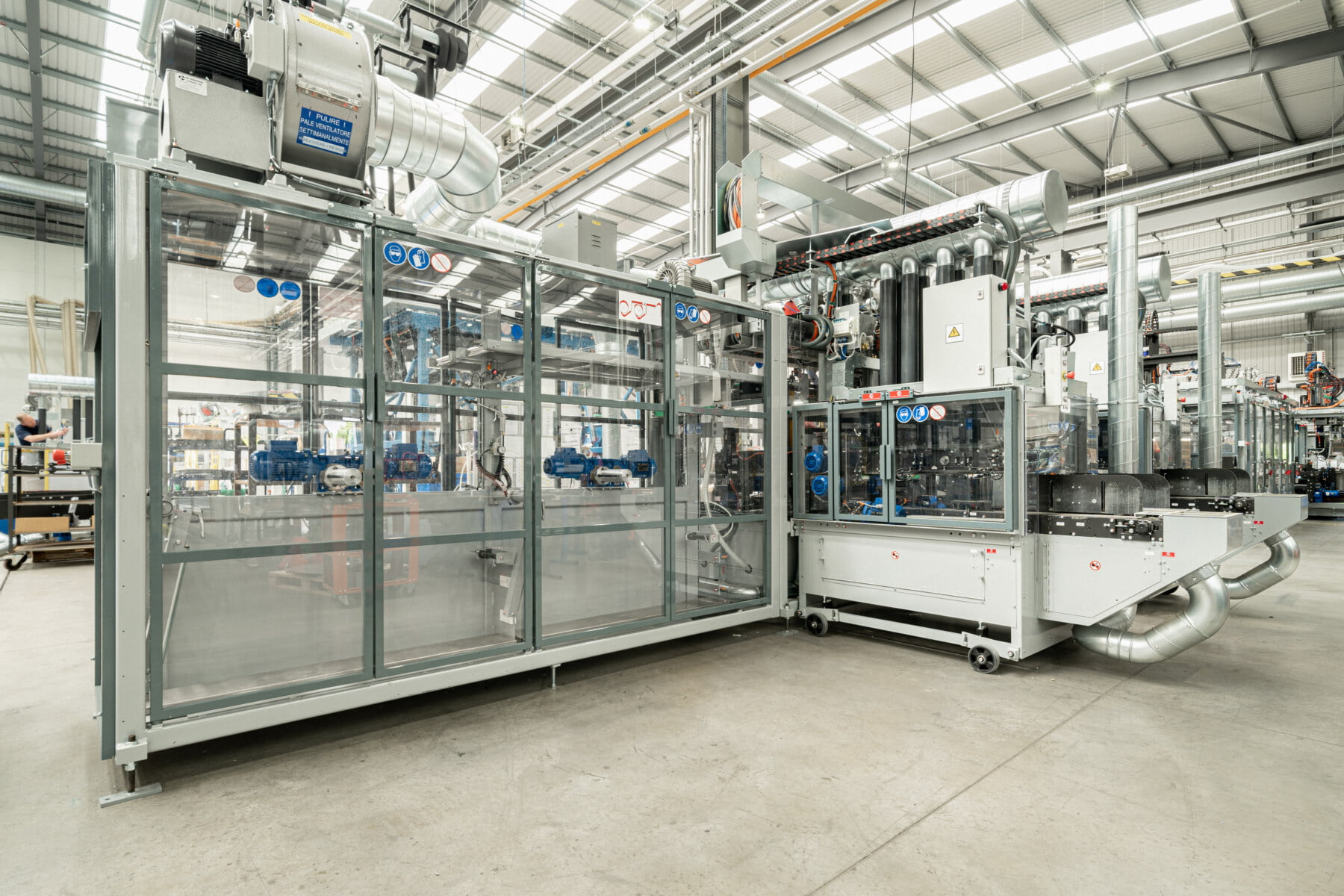
The location should support both sound and context. A visually relevant factory background can work well, but excessive machinery noise may make clean recording impossible. Sometimes a quieter area overlooking production offers the best balance.
Safe access and minimal disruption should be planned in advance. The same preparation used for filming a factory without interrupting output helps coordinate interviews around shifts, meetings and live production demands.
Support contributors with visual evidence
Interview footage becomes more convincing when viewers can see what the speaker describes. If an engineer explains a design decision, the film might show drawings, controls or the resulting machine action. If an operator discusses precision, close-ups can reveal setup and inspection.
This supporting footage also reduces the amount of time each person needs to remain on screen. Their voice can continue over relevant images, creating a more engaging sequence and allowing the editor to remove pauses without making the interview feel unnatural.
Names and roles should be displayed clearly. Job titles add context, but they should remain simple enough for an external audience to understand.
Include people who reflect the real workplace
A credible film should represent the team as it genuinely operates. A mix of experience levels, disciplines and career paths can show the range of opportunities within the business. This is valuable for customers and especially important for recruitment.
Participation should be voluntary and contributors should understand where the footage will appear. Clear communication builds trust and avoids uncertainty once the film is published across websites, exhibitions or social channels.
It is also sensible to confirm that uniforms and protective equipment are correct for each area. Authentic details reinforce the company’s standards and prevent avoidable distractions.
Edit every voice into one consistent story
The final film should not feel like a sequence of isolated testimonials. Interview answers can be arranged around themes, supported by process footage and linked with concise captions. The editor should remove repetition while preserving each speaker’s natural character.
A clear opening establishes the subject, the middle provides evidence and the conclusion gives the viewer a reason to act. Not every good answer needs to appear in the main edit; additional clips can support sales, recruitment and social media campaigns.
By selecting knowledgeable people, preparing focused questions and creating a comfortable filming environment, manufacturers can capture voices that strengthen the entire production. The result shows not only what the company makes, but the expertise and commitment behind every process.