A strong manufacturing video has to do two jobs at once. It must communicate the scale of the operation while also revealing the small details that prove quality, skill and control. If the film stays wide, the factory can feel impressive but vague. If it concentrates only on close-ups, viewers may never understand the size or complexity of the business.
The solution is to plan the shoot as a deliberate movement between context and evidence. Wide frames establish where the work happens and how the production environment fits together. Medium and close shots then show the actions, tolerances and decisions that make the company credible.
Start with a clear visual hierarchy
Before filming begins, decide what the audience needs to understand first, second and third. A buyer may need to see production capacity, a technical stakeholder may focus on process control, and a potential employee may respond to the working environment and team culture. This priority list shapes the balance of wide, medium and detailed shots.
A useful sequence often begins with an exterior or elevated view, moves through the factory layout, and then narrows towards a specific line, machine or operator. This creates orientation before asking the viewer to interpret technical detail. A planned factory recce before filming makes it much easier to find the positions that reveal scale without disrupting normal operations.
Use wide shots to explain the environment
Wide shots are not merely decorative establishing images. They can show the relationship between raw materials, machinery, people and finished products. Movement through the frame helps the audience understand workflow, while a carefully chosen high viewpoint can reveal capacity and organisation in a single shot.
Scale also depends on reference points. A large machine looks more impressive when an operator, pallet or component gives the viewer something familiar to compare it with. Slow camera movement can add depth, but it should serve the process rather than distract from it. The aim is to make the facility legible, not simply cinematic.
Move closer to prove the claim
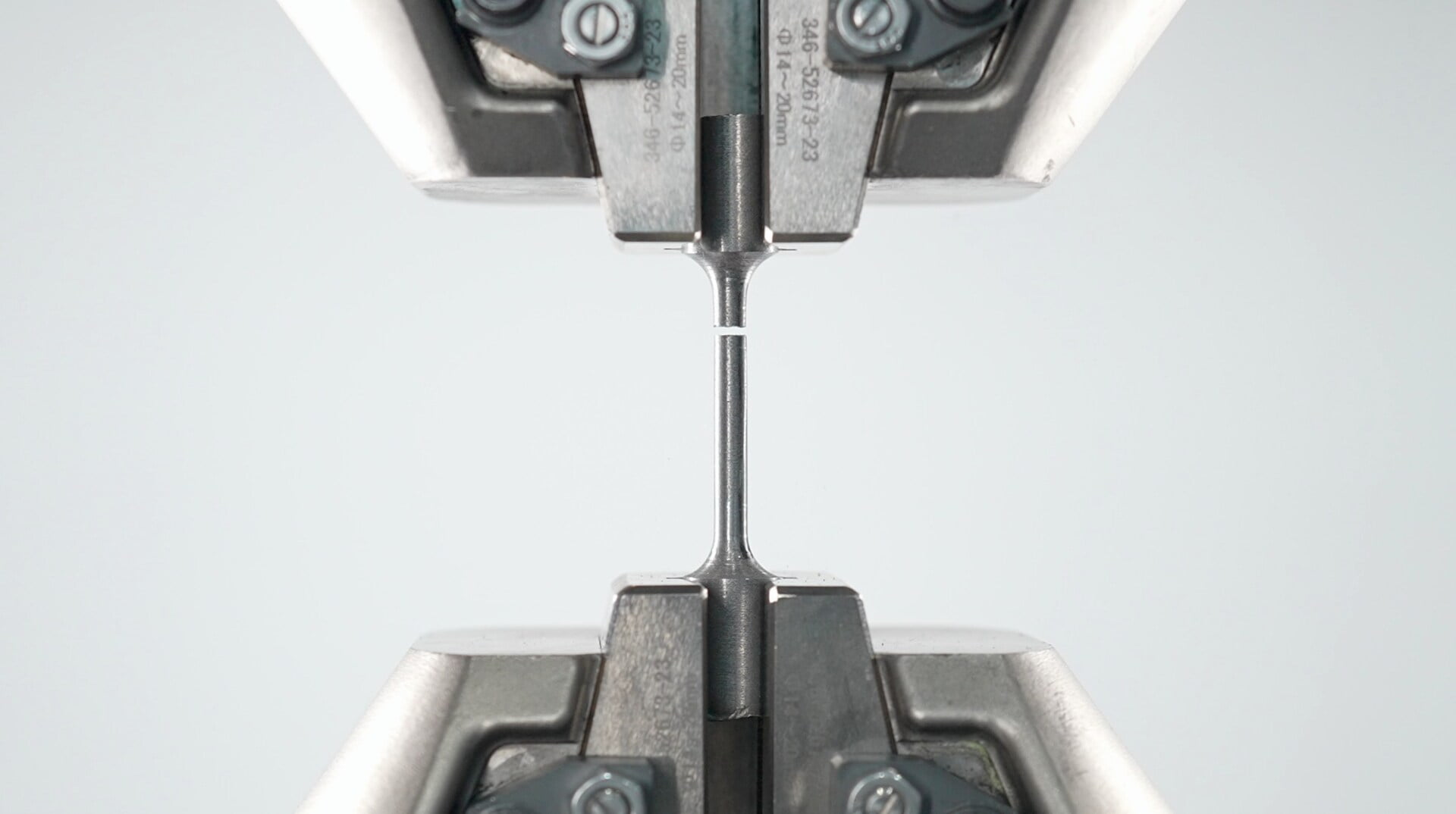
Once the audience understands the setting, detailed footage supplies evidence. Close-ups can reveal surface finish, tool changes, inspection readings, control interfaces, weld quality and careful handling. These images turn broad statements about precision into something visible and believable.
The best detail shots are connected to the message of the film. If accuracy is central, show the measurement or inspection step. If flexibility matters, capture a changeover or operator adjustment. If consistency is the promise, record repeated actions and finished parts that demonstrate it. This approach complements a fuller strategy for showing quality control on camera.
Build transitions between scale and detail
A manufacturing film feels coherent when the editor can move naturally from a broad view to a specific action. One reliable method is to film the same activity from several distances. Begin with the whole production cell, move to the operator and machine, then capture the tool, component or control that matters.
Matching movement also helps. A component travelling across a wide frame can be followed by a closer shot of the same component entering the next stage. Repeated colours, shapes or directions of travel create visual continuity. These transitions prevent the film from feeling like a collection of unrelated factory clips.
Choose lenses and movement with purpose
Lens choice affects how the audience perceives the factory. Wider lenses can make spaces feel expansive and show several stages at once, but used too close they may distort people or equipment. Longer lenses isolate detail and compress layers of machinery, which can make a busy line feel controlled and graphic.
Camera movement should be equally intentional. A slow track can reveal length, while a static frame may communicate stability and precision. Handheld footage can bring energy to some environments, but excessive movement risks making technical work harder to read. The style should reflect the character of the operation and the expectations of its customers.
Let people connect the two perspectives
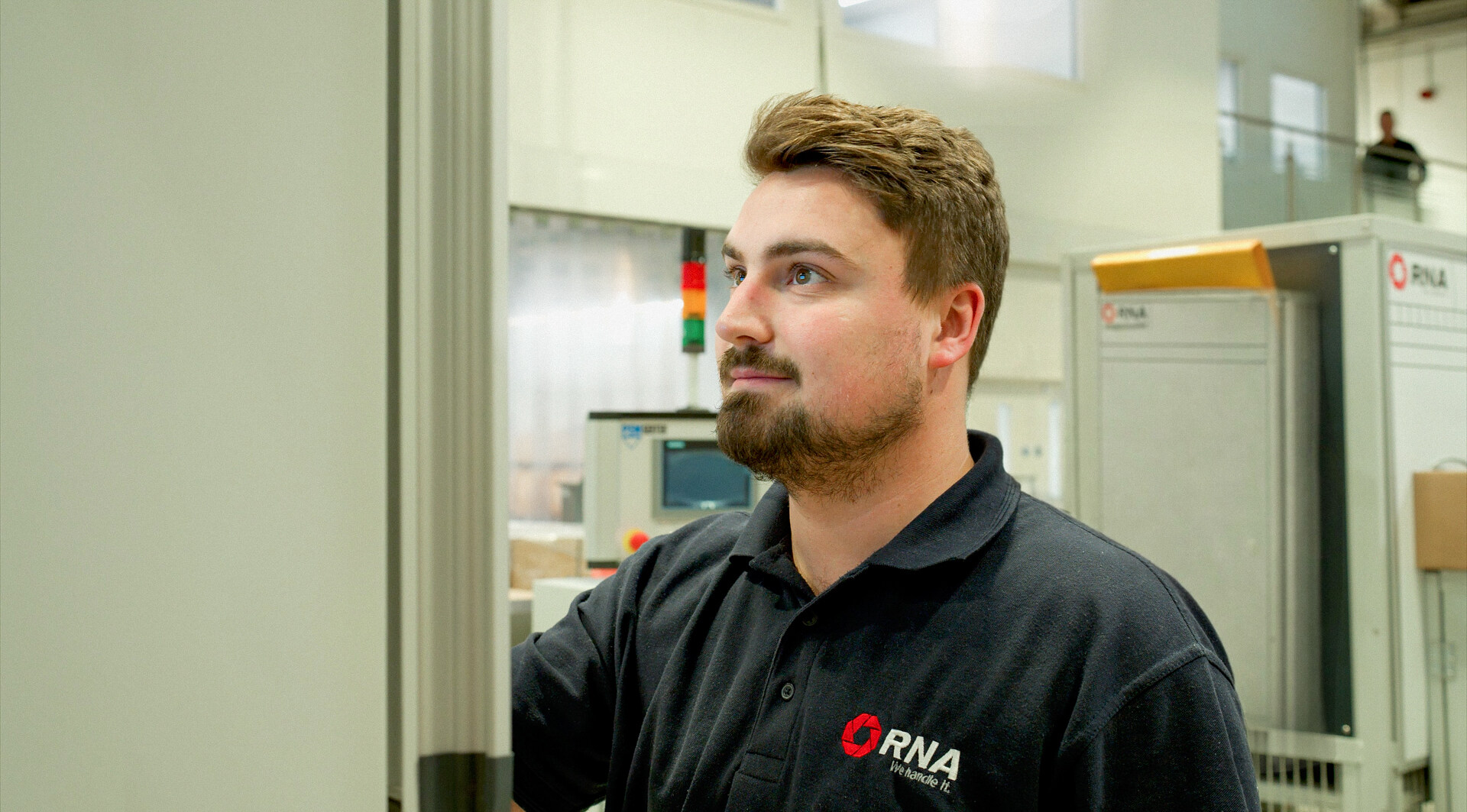
Operators are often the bridge between the scale of a facility and the detail of its work. A wide shot can place a person within the production environment; a medium shot shows their interaction with equipment; a close-up reveals the exact judgement or manual skill involved.
This sequence also keeps the film human. Even highly automated factories depend on expertise, oversight and problem solving. Showing people in a natural role gives viewers a sense of proportion and makes complex technology easier to understand. It is particularly valuable when filming automation without losing the human story.
Plan enough coverage for different edits
The main film may have time to establish the facility gradually, but shorter sales clips and social edits need to communicate scale and detail quickly. Capture clean wide frames, concise action sequences and strong close-ups that can work independently as well as within the longer story.
Allow each shot to run long enough for editing, and repeat important actions where it is safe and practical. Record variations in angle and framing without losing sight of the core message. A disciplined shot list gives the editor options while keeping the production efficient.
Create a complete picture of capability
Scale attracts attention, but detail builds confidence. A manufacturing video is most persuasive when it combines both: the viewer sees the capacity of the operation and the care applied at each stage. By planning the visual journey from environment to evidence, the finished film can make complex capability clear in a way that specifications alone cannot.