Operator training is often built around documents, demonstrations and time spent alongside an experienced colleague. Those methods remain valuable, but a well-planned manufacturing video can make the essential steps easier to revisit, explain and apply consistently across shifts, sites and experience levels.
Show the standard work in context
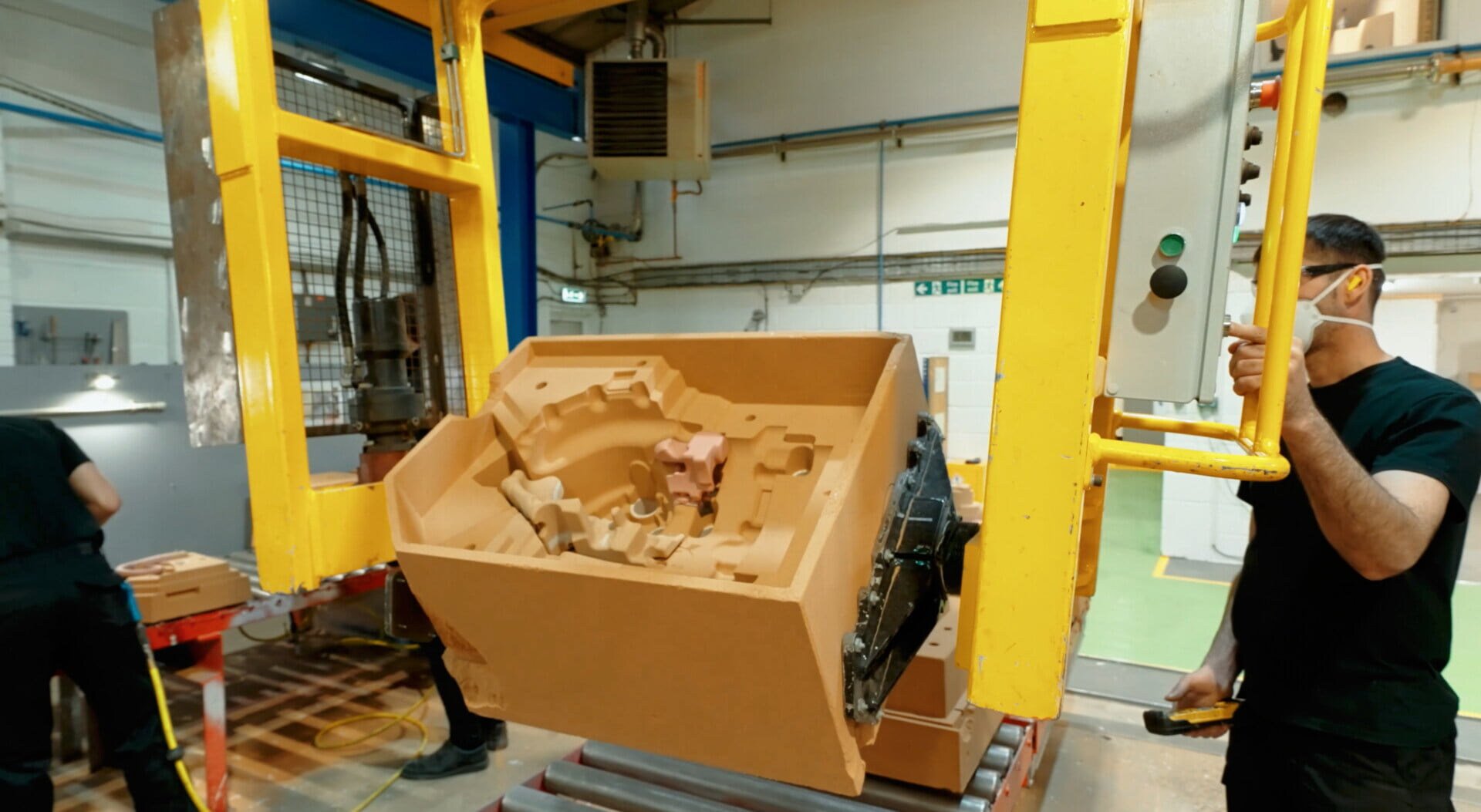
A useful training film does more than record a machine running. It shows the sequence that matters: preparation, checks, handovers, normal operation and the points where an operator must stop or ask for help. Wide shots establish the workstation, while close detail makes controls, components and hand movements clear. This practical balance is similar to the visual planning needed when showing quality control in a manufacturing video.
Before filming, agree the approved method with production and training leads. Mark the steps that are mandatory, the actions that vary by product, and the decisions that should never be improvised. That preparation keeps the film aligned with real procedures rather than turning it into a polished but incomplete demonstration.
Make safety decisions visible
Training content should make risk controls understandable without dramatising the workplace. Film isolation points, protective equipment, safe distances and inspection routines clearly, using captions or simple graphics where the action would otherwise be easy to miss. If a task has a specific sequence for starting, stopping or clearing a fault, show that sequence at a pace that gives learners time to follow it.
It is also important to protect the production environment while filming. A small crew, agreed camera positions and a clear stop signal can reduce disruption. The same discipline that helps a team film safety-critical manufacturing work responsibly helps training footage remain credible and safe to produce.
Design for repeat viewing
Most operator training videos work best as a small set of focused modules rather than one long programme. Separate induction, routine operation, quality checks, cleaning and escalation into sections that can be found quickly. Chapter cards, consistent terminology and restrained on-screen labels help learners return to the exact part they need during a refresher.
Use real operators and supervisors where possible. Their explanations reveal the small judgements that written instructions often leave out, while a calm presenter can connect those details to the wider process. Interview preparation matters here; purposeful prompts can help subject experts explain why each step exists, much as they do when planning interview questions for a manufacturing video.
Connect the film to the training system
A video becomes more useful when it sits inside a wider learning process. Pair each module with a checklist, a short knowledge check or a supervisor conversation. Decide who owns updates when equipment, materials or procedures change, and review the footage on the same schedule as the relevant work instruction. This prevents an accurate film from quietly becoming an outdated one.
Finally, measure whether the video is helping. Ask learners which sections they revisit, observe where questions still arise and compare feedback across shifts. The result should be a dependable visual reference that supports skilled people, strengthens consistency and makes the correct method easier to remember on a busy factory floor.