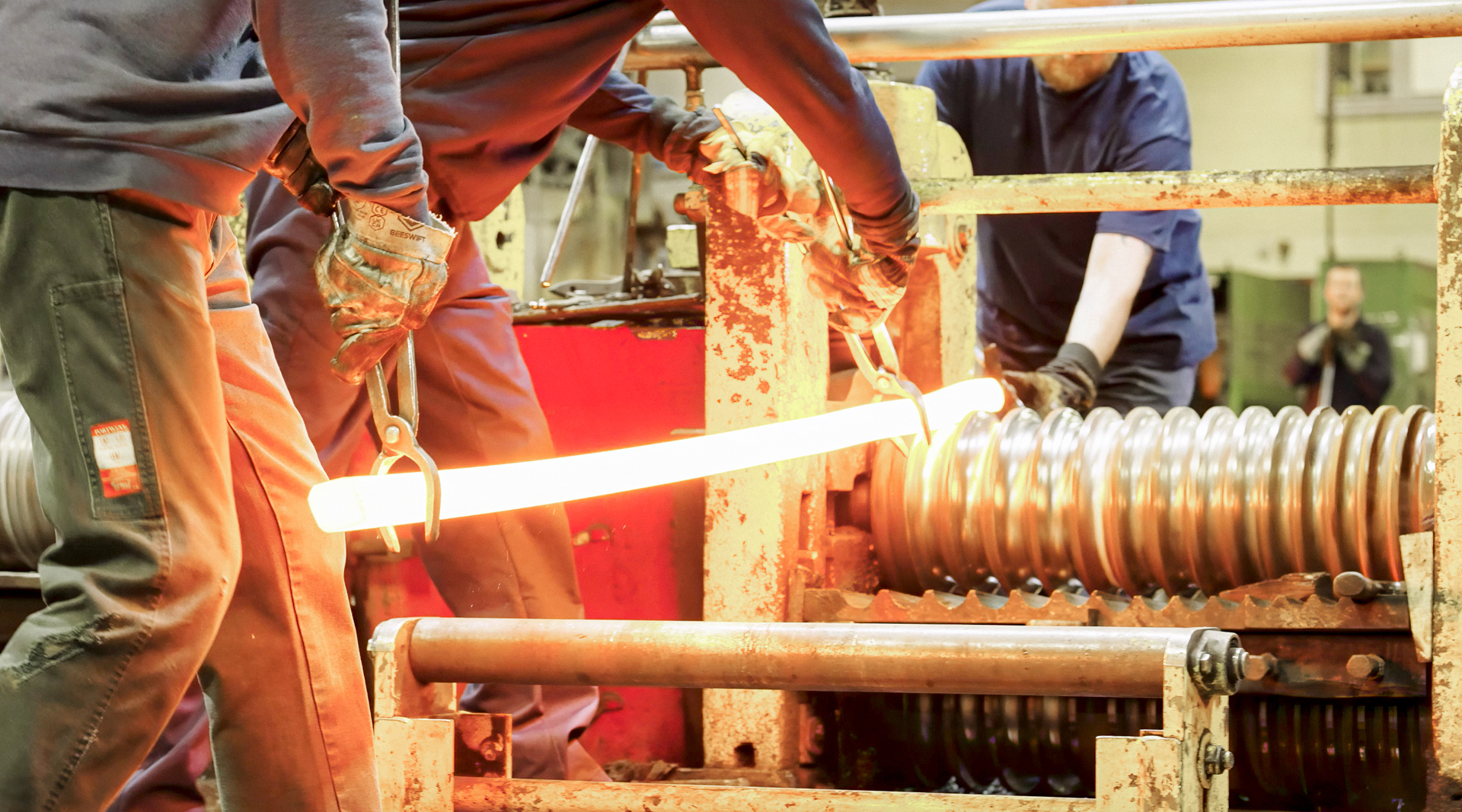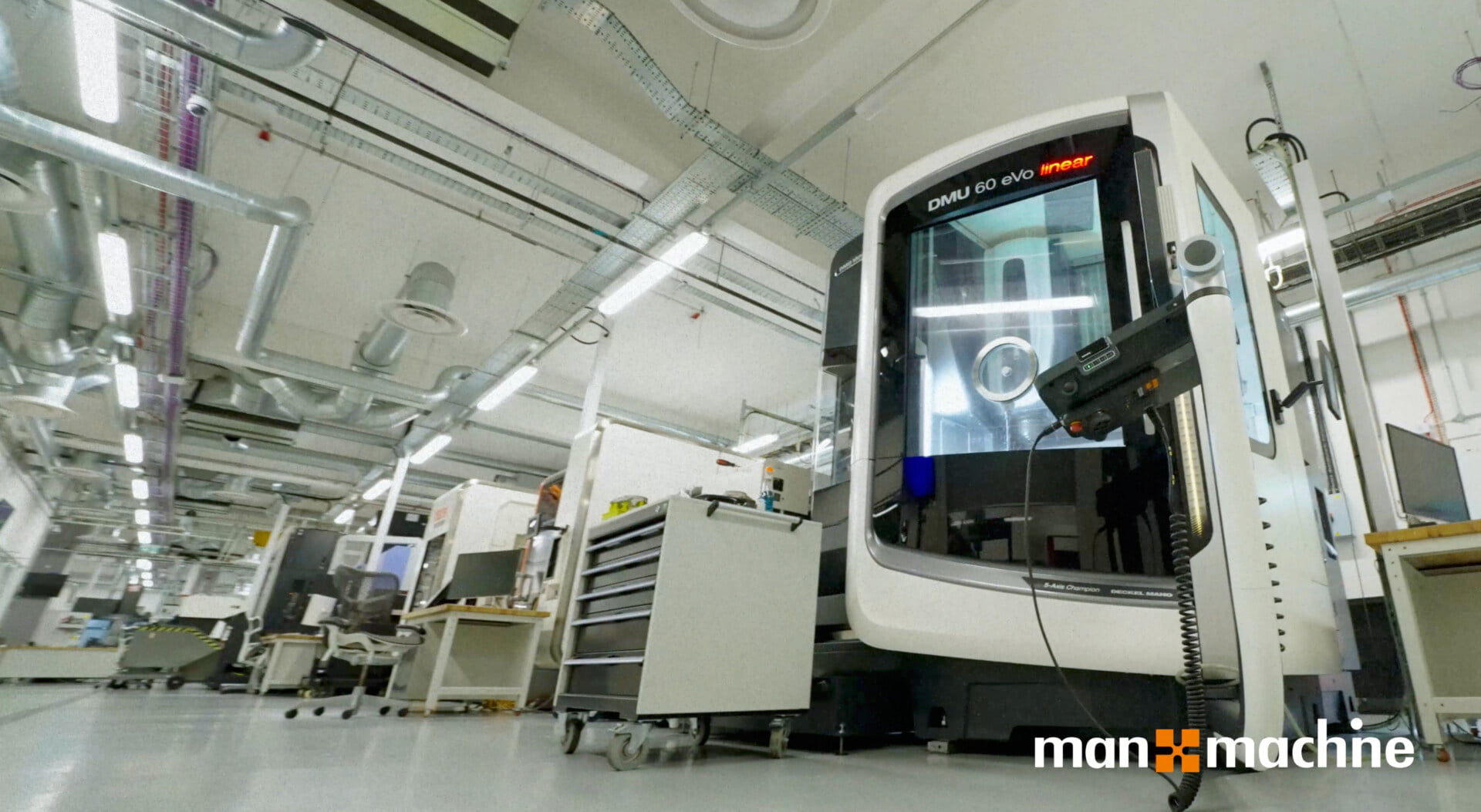
Maintenance is often where a manufacturing operation’s expertise becomes most visible. A well-maintained line protects output, quality and people, yet much of the work happens behind the scenes: inspections, planned stoppages, fault finding and careful decisions about when equipment should return to service. Manufacturing video can make that discipline easier for customers, recruits and colleagues to understand.
The strongest maintenance films are not a catalogue of machines. They show how a team thinks. By following a real maintenance challenge from early warning signs through diagnosis, intervention and testing, a video can demonstrate the organisation’s care for reliability without exposing sensitive production details or interrupting the working day.
Start with the maintenance decision, not the machine
Before filming, agree on the decision the audience should understand. It might be why a bearing is replaced during a planned window, how a calibration issue is isolated, or why a team chooses a particular inspection interval. That single decision gives the film a clear spine and prevents the story becoming a sequence of disconnected close-ups.
A short pre-production workshop with maintenance, operations and safety leads can identify the essential steps, the terminology that needs explaining and the moments that must not be staged. It also helps the crew plan around permits, lockout procedures and access restrictions. A careful approach to safety-critical filming protects both the production and the credibility of the finished piece.
Make invisible checks visible
Many maintenance actions are too small or technical to read from a distance. Use considered framing, macro detail and purposeful movement to reveal the checks that normally disappear into routine: a measurement being taken, a condition report being reviewed, or a torque setting being confirmed. Graphics can add context, but they should support the real action rather than replace it.
Interviews work best when they explain cause and consequence. Ask what changed, what evidence the team considered and how the result was verified. A technician describing a decision in plain language often provides more trust than a scripted claim about reliability. Where the maintenance story connects to continuous improvement work, show the feedback loop: observation, adjustment, measurement and learning.
Plan for production realities
A working factory rarely offers a quiet, empty set. Build a shot plan with alternatives so the crew can move between planned maintenance, normal operation and safe observation points. Record clean atmospheric sound where possible, then capture essential explanations in a controlled location if machinery makes interviews difficult. This keeps the film authentic without allowing noise to bury the message.
It is also worth capturing a flexible library during the same visit: tools in use, inspection details, team briefings, parts being prepared and the transition from repair to restart. With a clear naming and approval system, those assets can support future recruitment, customer communications and internal learning. The result is closer to a useful maintenance resource than a one-off corporate film.
Show proof at the end
Finish with evidence that the intervention achieved its purpose. That might be a stable reading, a successful test cycle, a clean handover or an operator explaining what has improved. Avoid claiming more than the footage can support. The value of the story is the visible link between careful maintenance and dependable performance.
When equipment knowledge needs to travel beyond the people present on the factory floor, operator training video principles can help shape the explanation: keep the sequence logical, use language people recognise and make the expected action unmistakable. With that discipline, a maintenance film can reassure customers, preserve hard-won knowledge and show the human judgement behind reliable manufacturing.