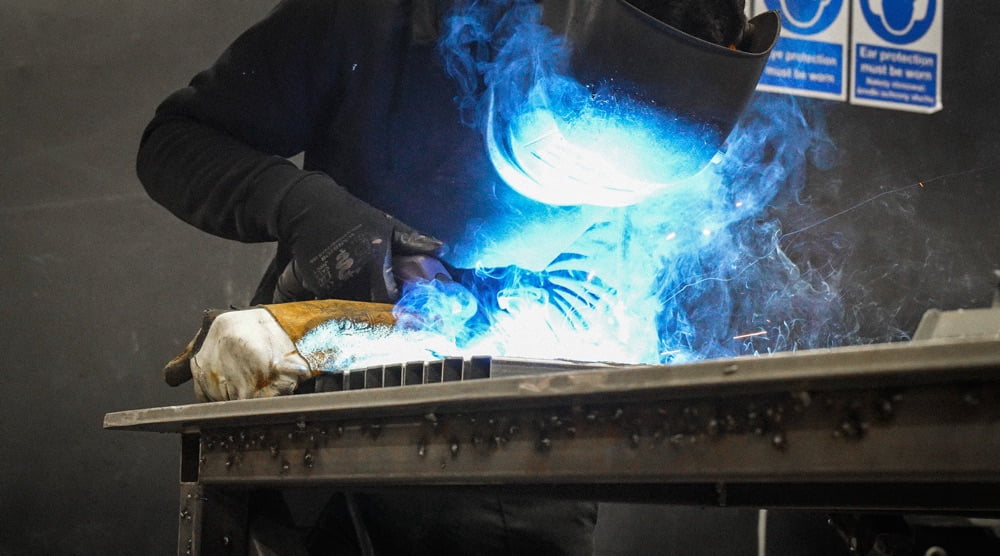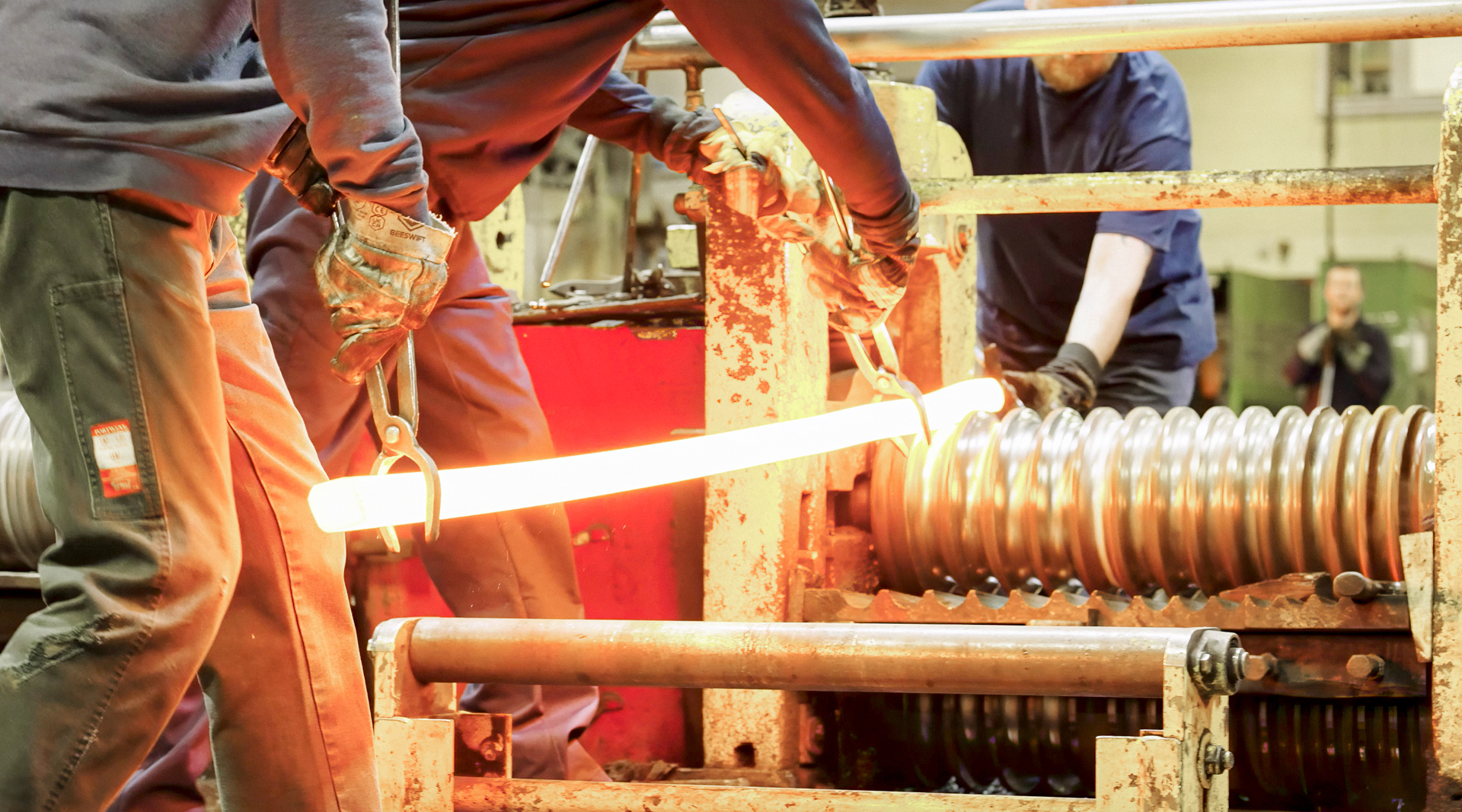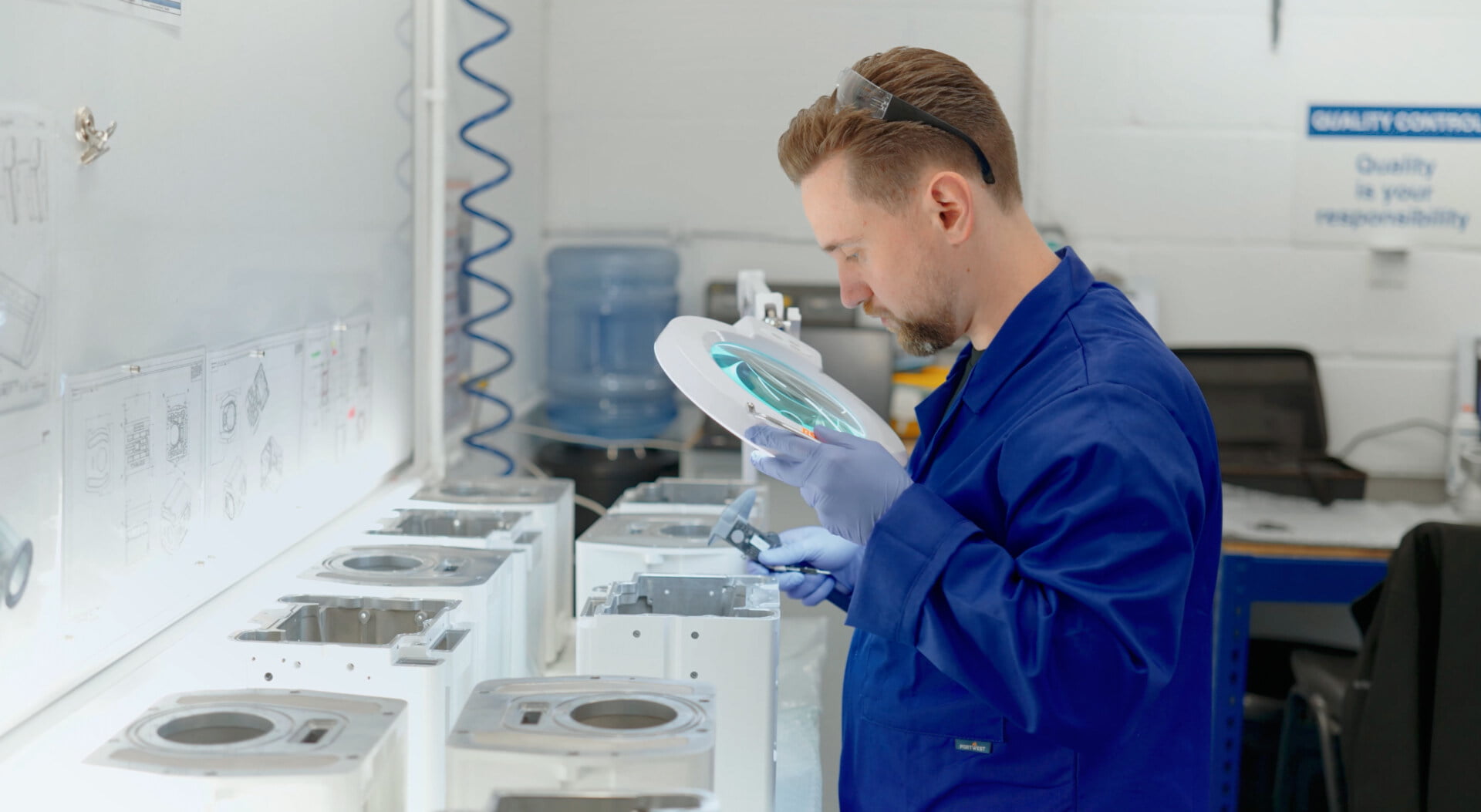
As a manufacturing business grows, valuable knowledge can become scattered between experienced operators, engineers, supervisors and new sites. A process may be documented, but the practical detail behind it often lives in conversations, demonstrations and habits that are difficult to transfer. Manufacturing video can preserve that knowledge in a form people can revisit when they need it.
Make practical knowledge visible
A well-planned film can show the sequence, pace and context of a task in a way that written instructions cannot always capture. Viewers can see how an operator prepares a workstation, checks a component, responds to a variation and hands the process to the next person. That visual record becomes particularly useful when the original subject-matter expert is no longer available every day.
The strongest films are selective rather than exhaustive. They focus on the decisions and small details that affect consistency: what good looks like, where a mistake is likely to occur, which checks matter most and when to ask for help. This gives the finished video a clear purpose instead of turning it into an unstructured archive.
Support onboarding across locations
Growth often means that people in different buildings need to understand the same standard. A shared video can give new teams a common starting point before local coaching begins. It can also help managers compare how a process is understood in different departments without asking every expert to repeat the same explanation.
When a company is opening a new line or transferring work between sites, video can sit alongside formal documentation and live training. It can show the intended workflow while leaving room for local safety briefings, equipment differences and supervised practice. For related guidance, operator training videos can help turn that knowledge into a repeatable learning resource.
Capture the reasoning behind the process
Preserving knowledge is not only about recording what happens. Interviews with experienced staff can explain why a setting is adjusted, how an unusual fault is recognised or which signals indicate that a process is drifting. Those insights help future teams understand the thinking behind the standard rather than copying actions without context.
Short interviews work best when they are supported by relevant footage from the factory floor. The combination of a clear explanation and close-up evidence makes technical information easier to remember. A thoughtful interview question plan helps draw out useful examples without making the conversation feel scripted.
Keep the record useful over time
Factory knowledge changes as equipment, materials and procedures change. Treating the video as a living business resource makes it easier to review and replace sections when necessary. Naming conventions, version notes and a simple owner for each film can prevent an old demonstration from being mistaken for the current standard.
It is also worth planning where the videos will be used: induction, toolbox talks, engineering reviews, internal knowledge bases or customer conversations. When the same footage supports several appropriate purposes, the original production investment goes further. A wider factory content plan can help organise that reuse without losing focus.
Build continuity into manufacturing communication
Manufacturing video cannot replace hands-on supervision, controlled documents or formal competence checks. It can, however, make hard-won knowledge easier to access, explain and pass between people. For a growing factory, that continuity reduces reliance on memory alone and gives every team a clearer visual reference for how work should be understood and performed.