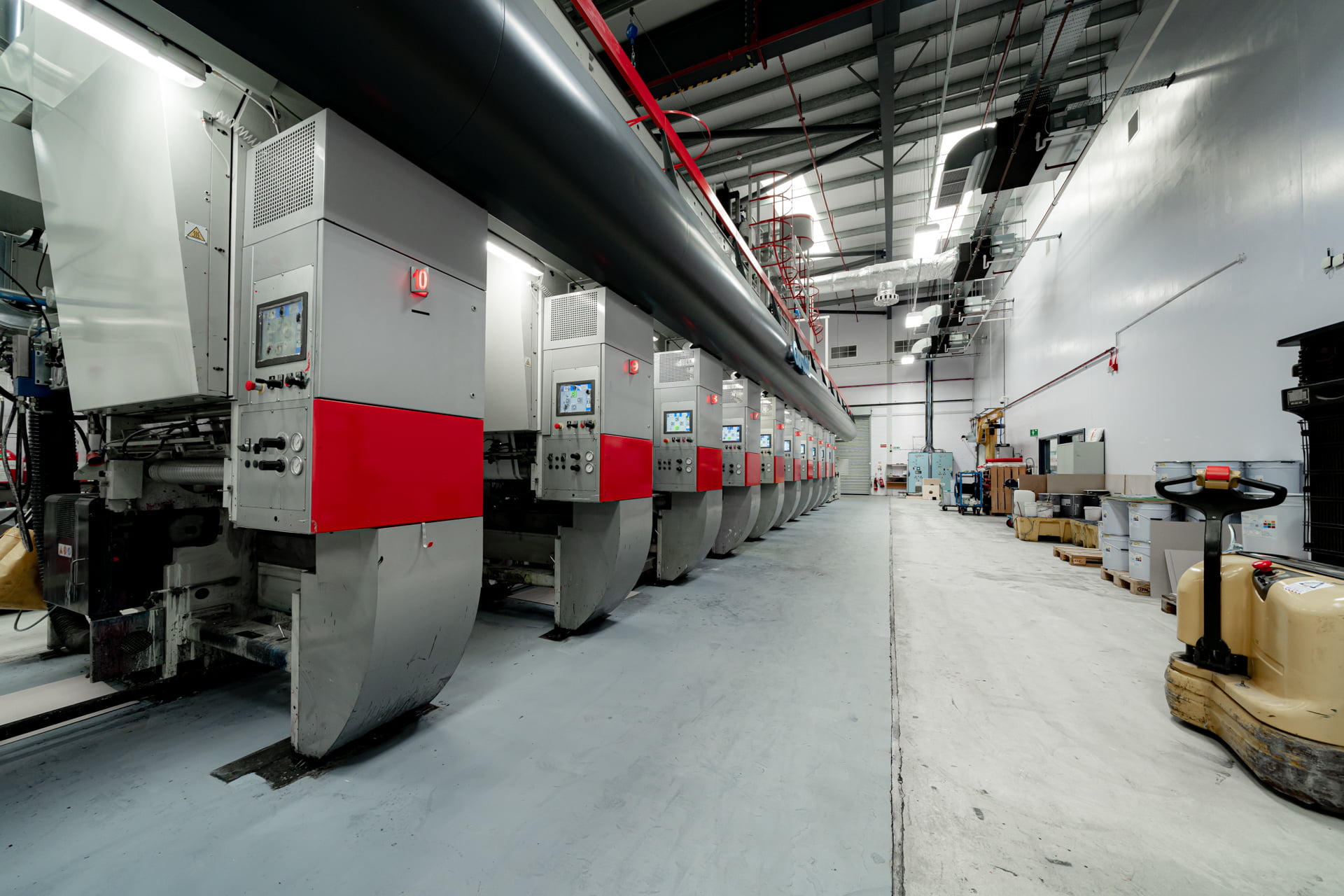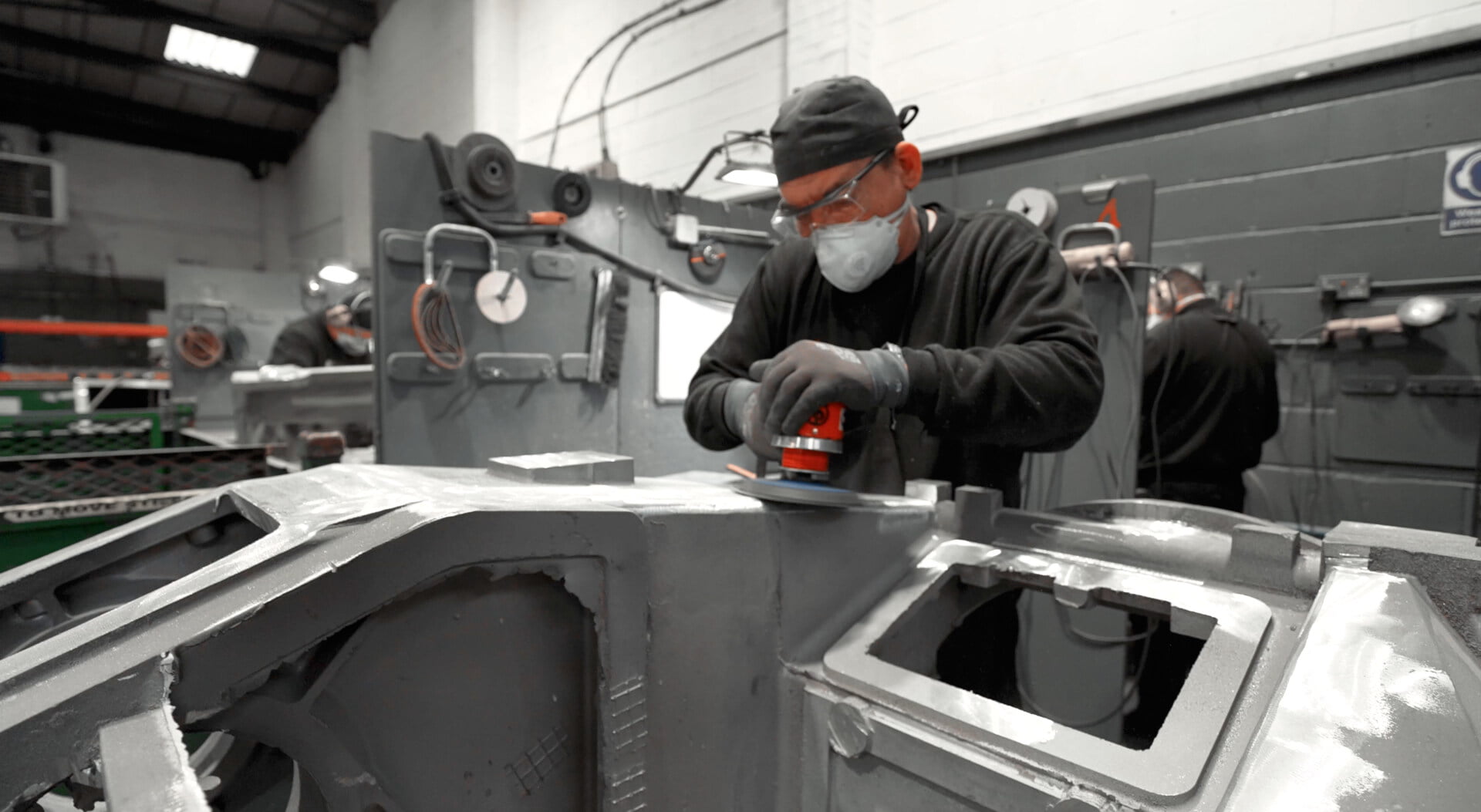
When a manufacturing business operates across several factories, keeping visual standards consistent can be harder than agreeing the written procedure. Each site may use slightly different equipment, layouts, terminology and working habits. A well-planned manufacturing video can make the intended standard visible, giving teams a common reference without pretending that every facility is identical.
Why visual standards drift between sites
Documents are useful, but they often leave room for interpretation. A photograph may show the final position of a component without explaining the movement, sequence or checks that make the result repeatable. On the factory floor, that gap is filled by local experience. Over time, two sites can both believe they are following the same standard while producing visibly different outcomes.
Video captures the details that are easily missed in a written instruction: the order of actions, the pace of a handover, the way an operator checks an alignment and the point at which a supervisor confirms quality. It can also show what good preparation looks like before a machine starts. That makes it a practical bridge between a central process owner and the people applying the process locally.
Film the standard, not just the finished result
The strongest standardisation films are built around decisions and behaviours, not a glossy tour of the facility. Start by agreeing what must look the same everywhere and what can remain site-specific. The film might focus on a critical setup, a cleaning sequence, a visual inspection or the safe route for transferring work between stations. Showing the reasoning behind the standard helps teams recognise which elements are essential.
Use clear establishing shots to orient viewers, then move close enough to show tools, markings, screens and hand positions. If a detail matters, give it time on screen rather than relying on a fast edit. Capturing the real environment also helps the audience understand practical constraints such as noise, restricted access and the protective equipment required. This is where clear process ownership makes the production more useful: the right subject-matter expert can explain what the viewer should notice.
Build a repeatable format for every location
A shared structure makes a series of site films easier to compare and maintain. Open with the purpose of the standard, identify the point in the process, demonstrate the correct method, and close with the checks that confirm it has been followed. Use the same terms for common actions and reserve local terminology for details that genuinely differ. Consistent framing and graphic treatment can reinforce the idea that each film belongs to one operational system.
It is also worth recording short inserts that can be reused across locations: safety reminders, measurement techniques, escalation routes and explanations of common defects. This approach avoids repeating an entire shoot whenever one part of the standard changes. It also supports knowledge preservation during factory growth, when experienced people may be spread across new facilities or moved into different roles.
Use local teams to test whether the film works
Before releasing a standardisation video across the business, show it to operators and team leaders who were not involved in making it. Ask them to describe the sequence in their own words and identify where they would pause, rewind or seek clarification. Their questions reveal whether the film is genuinely usable or merely familiar to the production team. A short pilot at a second site can expose assumptions about equipment, language or layout.
Keep the feedback practical. If viewers disagree about what counts as an acceptable result, add a close-up, a measurement or a clear comparison. If the pace feels too fast, let the action breathe. A film that supports continuous improvement should make it easy to suggest a better way of explaining the work, not just a better way of performing it.
Keep the library useful after launch
Visual standardisation only lasts when the library is easy to find and trusted by the people who use it. Give each film a specific title, process owner, site scope and review date. Store the current version where teams already look for operational guidance, and make superseded versions clearly unavailable. When a change affects the standard, update the relevant section or create a replacement film rather than allowing several competing explanations to circulate.
Manufacturing video is most valuable when it turns an abstract expectation into something teams can see, discuss and apply. By filming the critical behaviours, using a repeatable format and testing the result across locations, manufacturers can create a shared visual language that supports consistency while still respecting the realities of each site.