Before a finished product leaves the factory, quality teams often have to confirm more than a final measurement or a completed checklist. They need confidence that the right checks were carried out, that exceptions were understood, and that the evidence can be explained to customers, suppliers, and internal stakeholders. A well-planned manufacturing video can make that final stage easier to follow.
Make the final checks visible
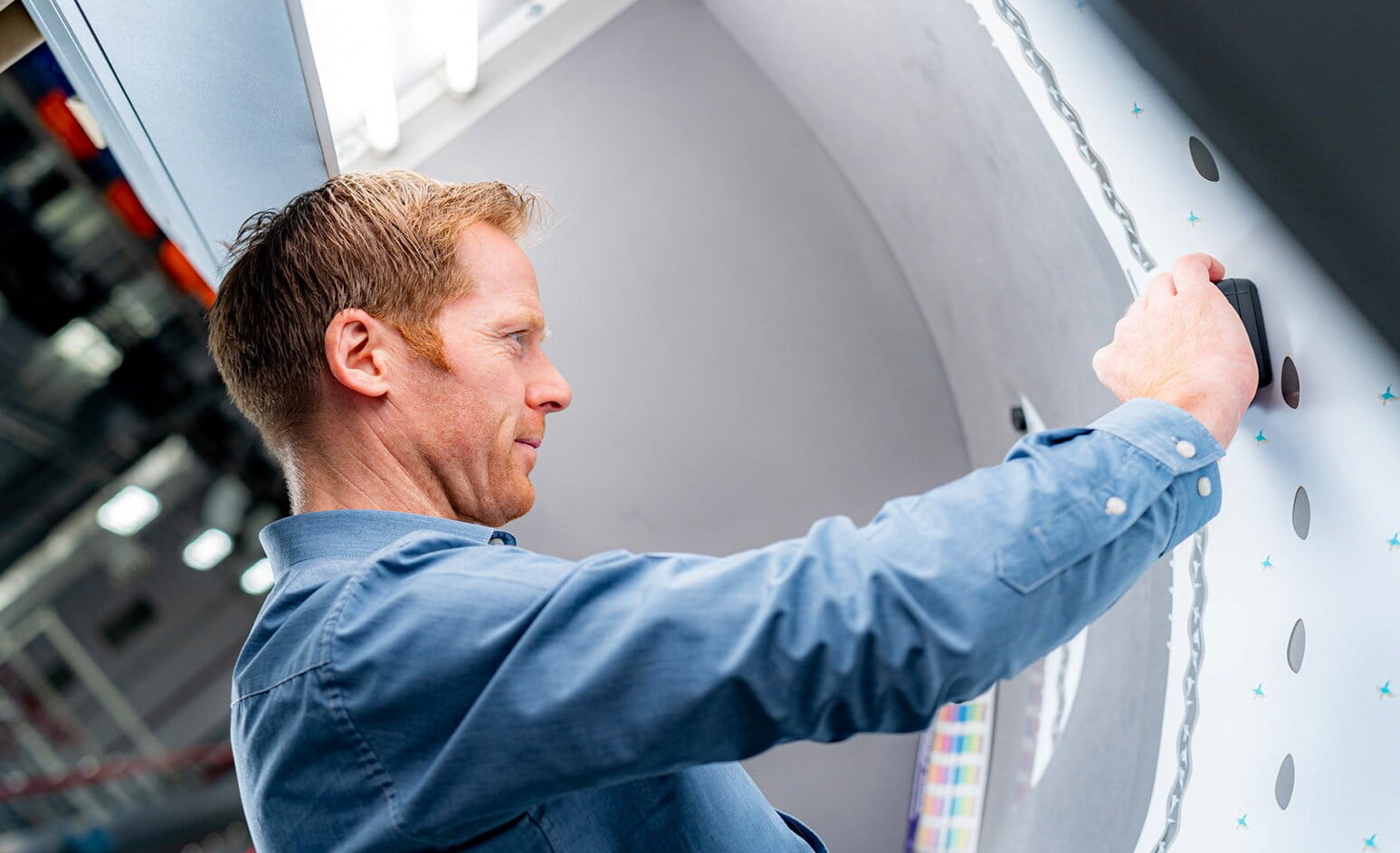
Pre-delivery quality work can involve inspection points, traceability records, packaging checks, calibration details, and sign-off between several departments. A video does not replace those controlled records, but it can show how the process works in practice. Close-up shots can establish what an operator is checking, while wider footage can show how the item moves through the release area without interrupting the workflow.
The strongest sequences are planned around the decisions that matter. Instead of filming every action equally, the production should identify where a defect would be caught, where evidence is recorded, and where responsibility passes from one person to another. This approach creates a clear visual explanation for people who are not present on the factory floor.
Connect inspection with production learning
Quality checks become more useful when they are connected to what happened earlier in production. A short section showing how an issue was prevented, corrected, or escalated can give the audience useful context without exposing confidential customer information. It can also complement lessons from reviewing production trials, where filmed evidence helps teams compare intended and actual performance.
Manufacturers can also use filmed examples to reinforce standard work across teams. Showing the agreed inspection method, the correct escalation route, and the expected quality of evidence gives new or changing teams a practical reference. The detail should remain accurate and current, with obsolete instructions removed from the edit rather than left to create ambiguity.
Build trust without overclaiming
A pre-delivery quality video should be specific about what viewers can see and careful about what it promises. It can demonstrate control points, explain terminology, and show how people respond when a result falls outside tolerance. It should not imply that a filmed example proves every product meets specification. That distinction matters when the video is used in sales conversations, audits, or supplier communication.
Clear narration and restrained graphics can help viewers understand measurements, inspection stages, and release decisions without turning the film into a generic promotional piece. This is particularly valuable when the audience is assessing technical risk and process assurance before placing an order or approving a project.
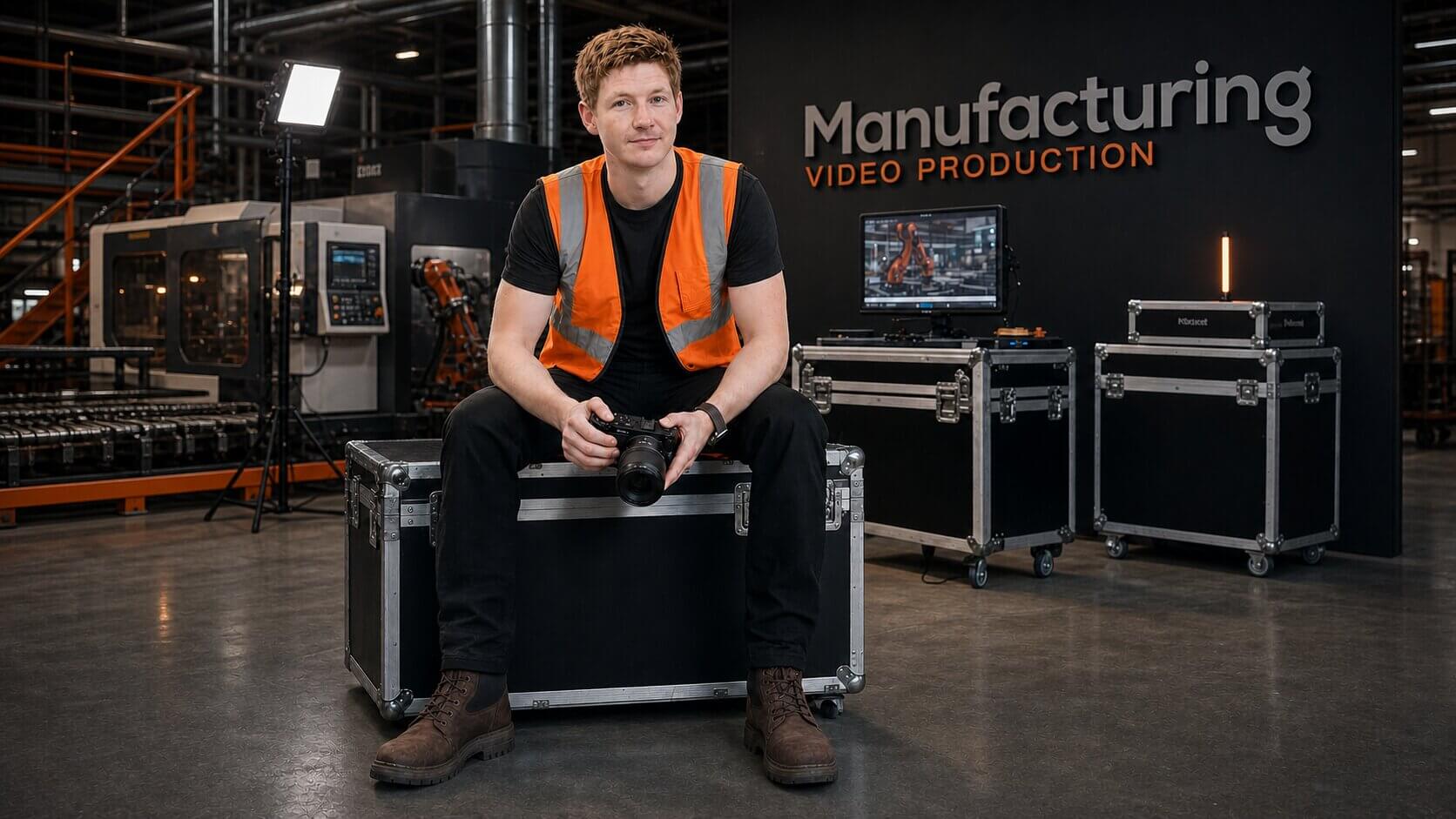
With the right preparation, manufacturing video can turn pre-delivery quality checks into a concise, credible explanation of how a business protects consistency. The result is useful internally for training and alignment, while also giving external audiences a clearer view of the care behind the finished product.