Factory onboarding is often treated as a short induction followed by a stack of documents. That approach can cover the essentials, but it does not always show a new colleague how work really flows: where materials arrive, what good looks like at each stage, which checks matter, and how teams communicate when conditions change. A well-planned manufacturing video can turn that invisible context into something people can revisit while they build confidence.
Show the whole working environment
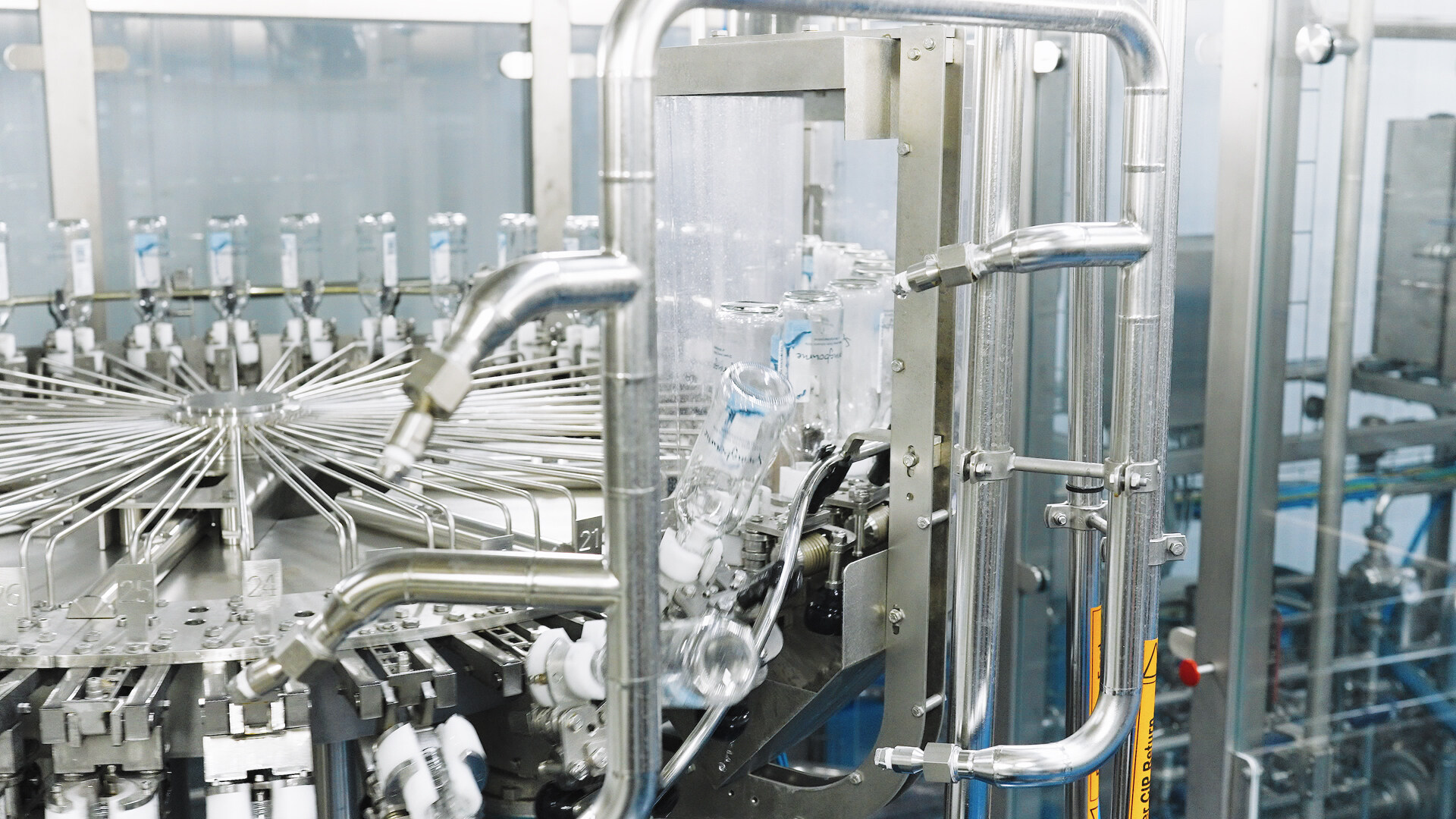
The first useful onboarding film should help people build a mental map of the site. Use a calm, guided route through the relevant areas, introducing the purpose of each zone and the relationships between them. Wide establishing shots can provide scale, while closer footage can show the visual cues that distinguish a finished operation from a setup or changeover.
This is where production planning matters. Film genuine movement through the facility rather than a sequence of disconnected demonstrations. If the audience can see how a job travels from preparation to inspection, the video becomes a practical reference rather than a generic welcome message. It can also support the clearer explanation of process ownership on the factory floor, giving new starters a better sense of who to approach and why.
Make expectations visible and specific
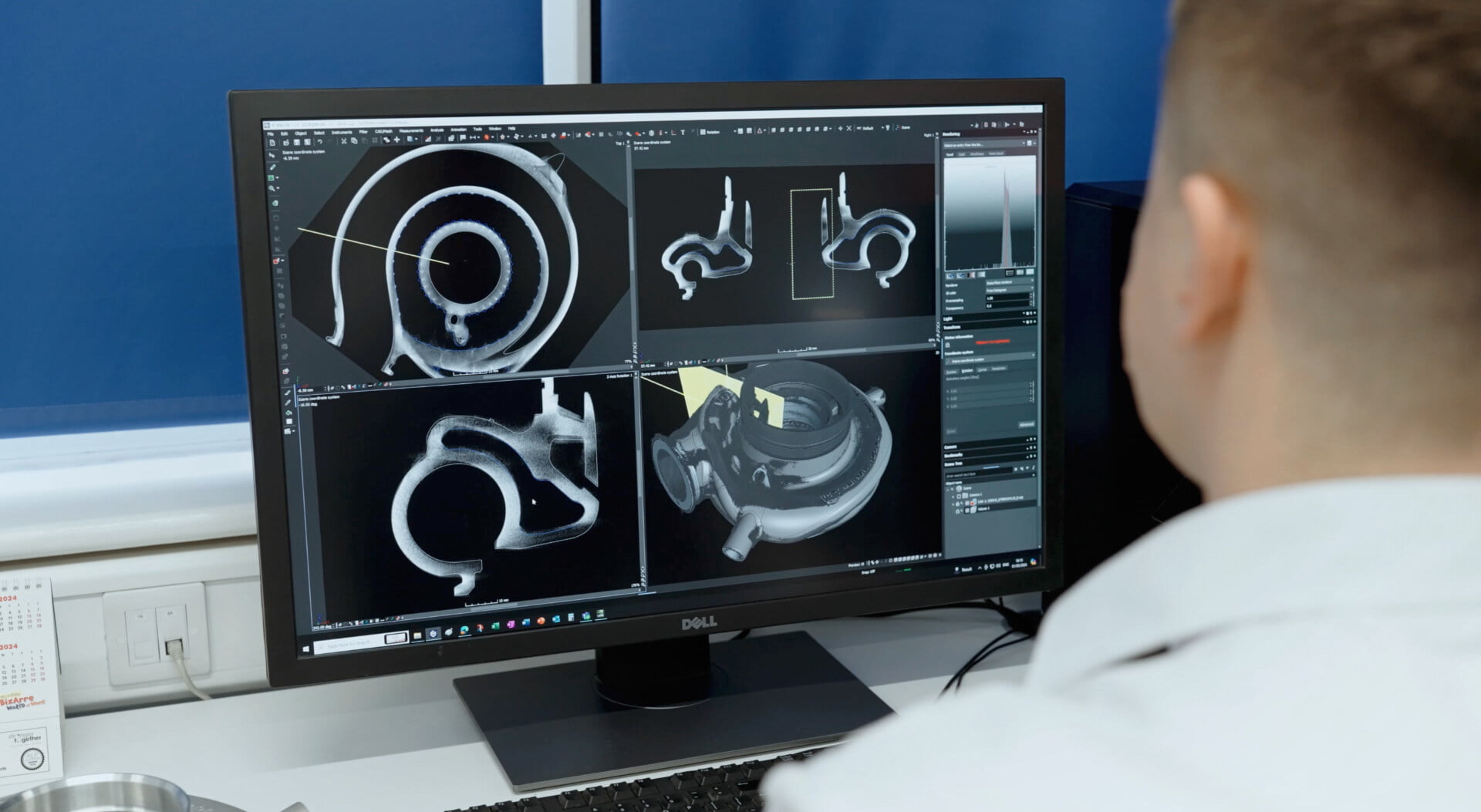
Written procedures are important, but a camera can show details that are difficult to describe: the position of a component, the pace of a handover, the difference between an acceptable finish and one that needs attention, or the safe distance to keep from moving equipment. Narration and simple on-screen labels should explain what the viewer is seeing without overwhelming the operational detail.
Use short chapters for the moments people are most likely to revisit. A section on PPE and access can sit separately from one on quality checks or escalation routes. This makes the resource easier to use during the first weeks and helps supervisors direct someone to the right explanation. The same disciplined approach can reinforce operator training with visual examples while keeping the onboarding film relevant to its immediate audience.
Build the film around real questions
The strongest onboarding videos answer the questions that new colleagues may hesitate to ask. What happens if a measurement is outside tolerance? How is a problem recorded? When should a line be paused? Which parts of the process are deliberately standardised, and where is judgement expected? Interviews with experienced operators, team leaders and quality colleagues can add the practical reasoning behind the visible steps.
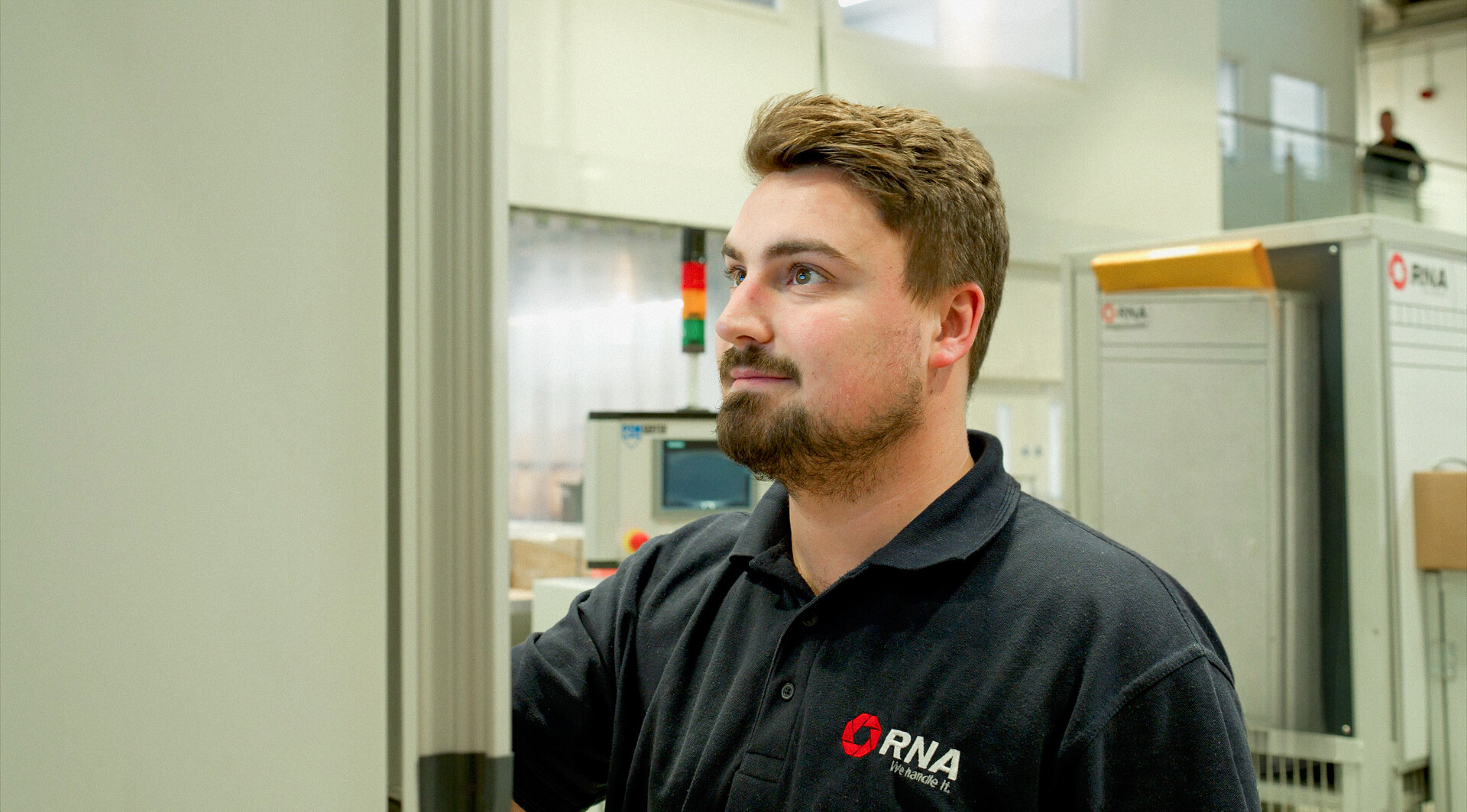
Keep the tone direct and respectful. New starters do not need a polished corporate performance; they need clear explanations from people who understand the work. Capture authentic voices, repeat key terms consistently, and use cutaways to connect each answer to the relevant task. This also creates a useful foundation for knowledge transfer between shifts, especially when experienced staff cannot repeat the same explanation for every intake.
Plan for updates from the beginning
Factories change, so onboarding content should be designed as a maintainable library rather than one long film that becomes obsolete. Record sections that can be replaced independently when equipment, layouts, PPE requirements or reporting systems change. Keep a simple review owner and date on each chapter, and schedule a refresh whenever a significant process or safety change is introduced.
Before publishing, test the film with someone who has not worked in the area. Ask them to explain the route, the key checks and the escalation path after watching. Their questions will reveal where the edit needs another shot, a clearer label or a more precise explanation. Done well, manufacturing video gives every new starter a consistent starting point while leaving supervisors more time for coaching, observation and feedback.