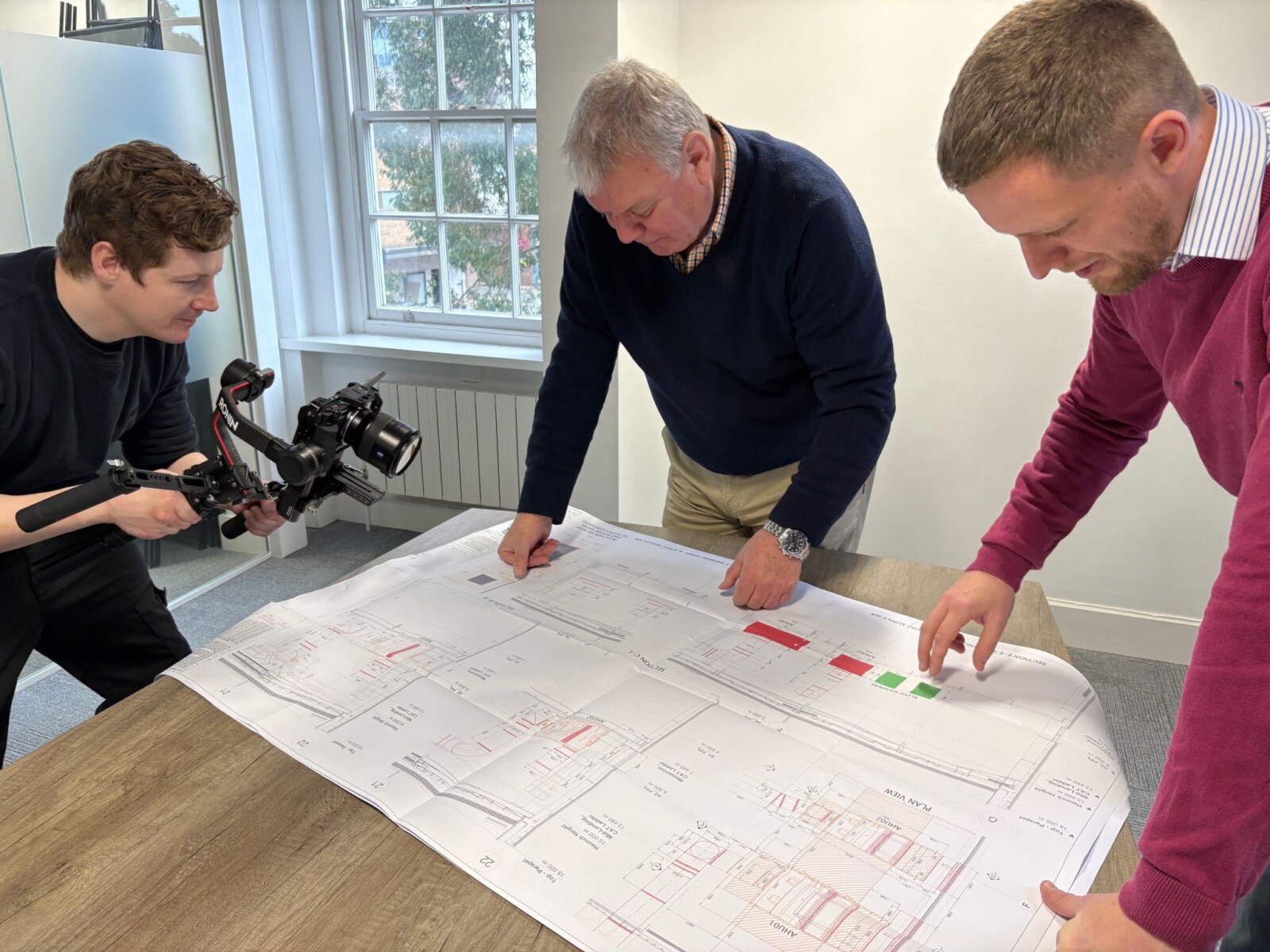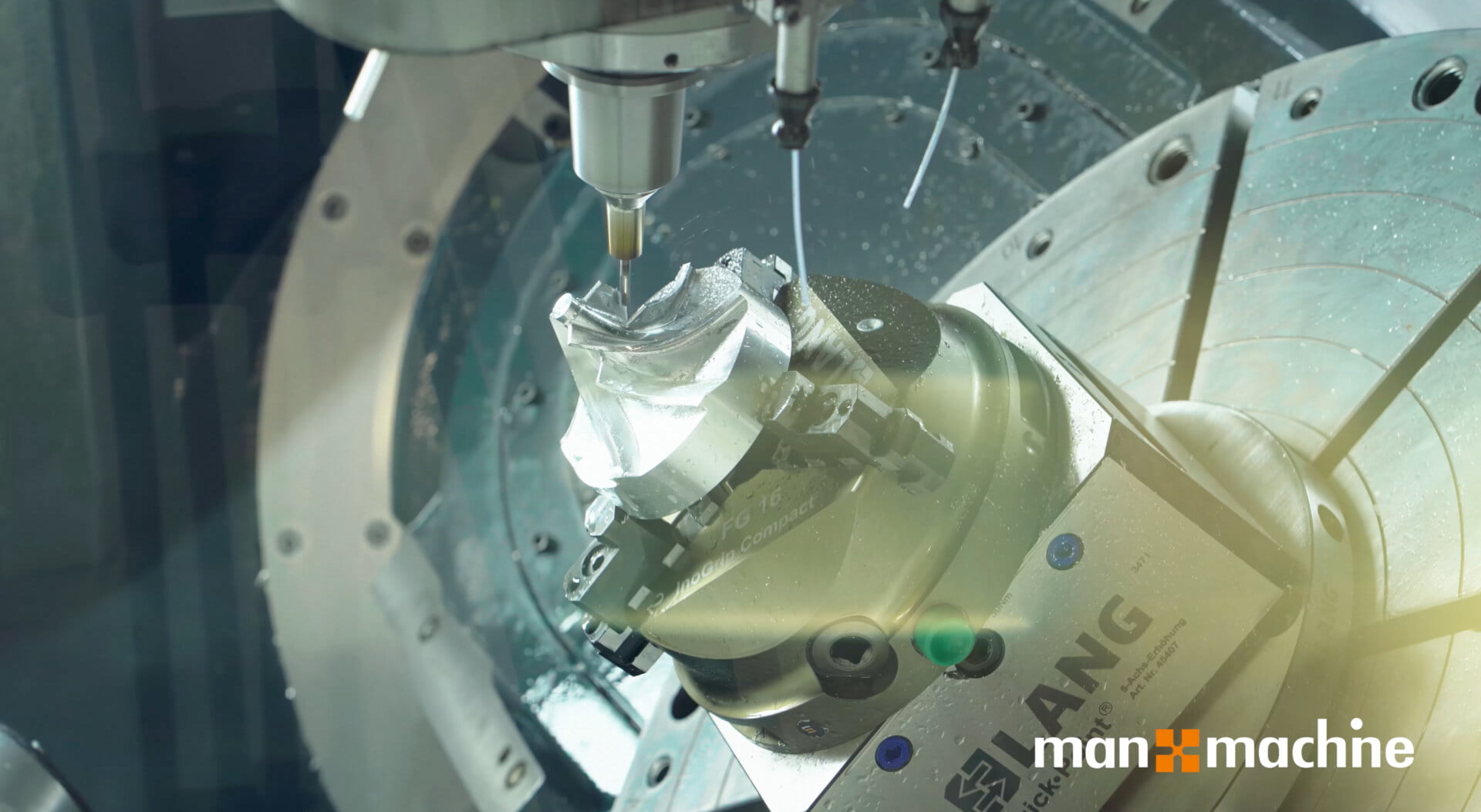
Manufacturing decisions often slow down when the people involved are working from different versions of the same situation. A production manager may have a verbal account of a stoppage, an engineer may have photographs, and a customer-facing team may only have a short summary. Manufacturing video can bring those viewpoints closer together by showing what happened, where it happened and what the team could see at the time.
The value is not simply that video records more detail. It is that a short, well-planned sequence gives a review group a shared reference point. When the footage is labelled with the relevant line, product, shift or process stage, people can spend less time reconstructing events and more time deciding what should happen next.
Show the condition behind the number
Production dashboards are essential, but a number rarely explains the working conditions behind it. A lower output figure could relate to material flow, a machine setting, a quality hold or a handover issue. Video can capture the physical context around the metric: queues at a workstation, repeated adjustments, unclear instructions or a maintenance intervention that changed the rhythm of a line.
Used alongside a clear visual approach to factory KPIs, this evidence helps teams ask more precise questions. The aim is not to replace data with footage. It is to connect the data to observable behaviour and conditions, so the next action is based on something the group can examine together.
Make production reviews easier to align
Decision speed improves when a review has a defined question. Before filming, decide whether the footage is intended to understand a delay, compare two methods, prepare a change, or support a quality discussion. Then capture only the views that help answer that question. A wide shot can establish flow, while close details can show a control, component, label or operator interaction that would otherwise be described ambiguously.
Short clips are particularly useful when several functions need to contribute. Operations can explain the intended sequence, engineering can identify technical constraints, and quality can point to the moment where a risk becomes visible. This shared evidence can complement structured production run reviews without turning the meeting into a long playback session.
Turn decisions into clear follow-through
A decision is only useful when the people carrying it out understand what has changed. Keep the final edit focused on the agreed action: the revised sequence, the point of control, the expected condition or the question that still needs an owner. Add simple on-screen labels where they prevent confusion, and separate confirmed observations from proposed improvements.
The same principle helps when a decision must move between shifts or locations. A concise record can preserve the reasoning behind a change, not just the instruction itself. That makes production handover between teams more dependable, especially when the next team cannot speak directly with everyone involved in the original review.
Plan footage around the decision
Manufacturing video improves decision speed when it is treated as part of the review process rather than an afterthought. Define the decision to be made, capture the relevant operating context, keep the sequence concise and record the agreed next step. With those disciplines in place, video can reduce ambiguity, focus discussion and help production teams move from observation to action with greater confidence.