Factory acceptance testing is where a new machine, line or automation system has to prove that it is ready to leave the supplier or move into live production. The process can involve engineers, operators, quality teams, customers and project managers, all looking for evidence that the agreed requirements have been met. A well-planned manufacturing video can make that evidence easier to understand, review and share.
Video does not replace test records, signed checklists or formal approvals. It gives those documents useful visual context. By showing the equipment operating, the test sequence taking place and the people responsible for each decision, a film can help everyone arrive at the same understanding of what happened and what still needs attention.
Show the test against the agreed requirement
The strongest factory acceptance testing footage begins with the acceptance criteria. Before filming, the production team can work with engineers to identify which functions, tolerances, safety features and changeover steps need to be visible. That prevents a general machine tour from being mistaken for proof of a specific test.
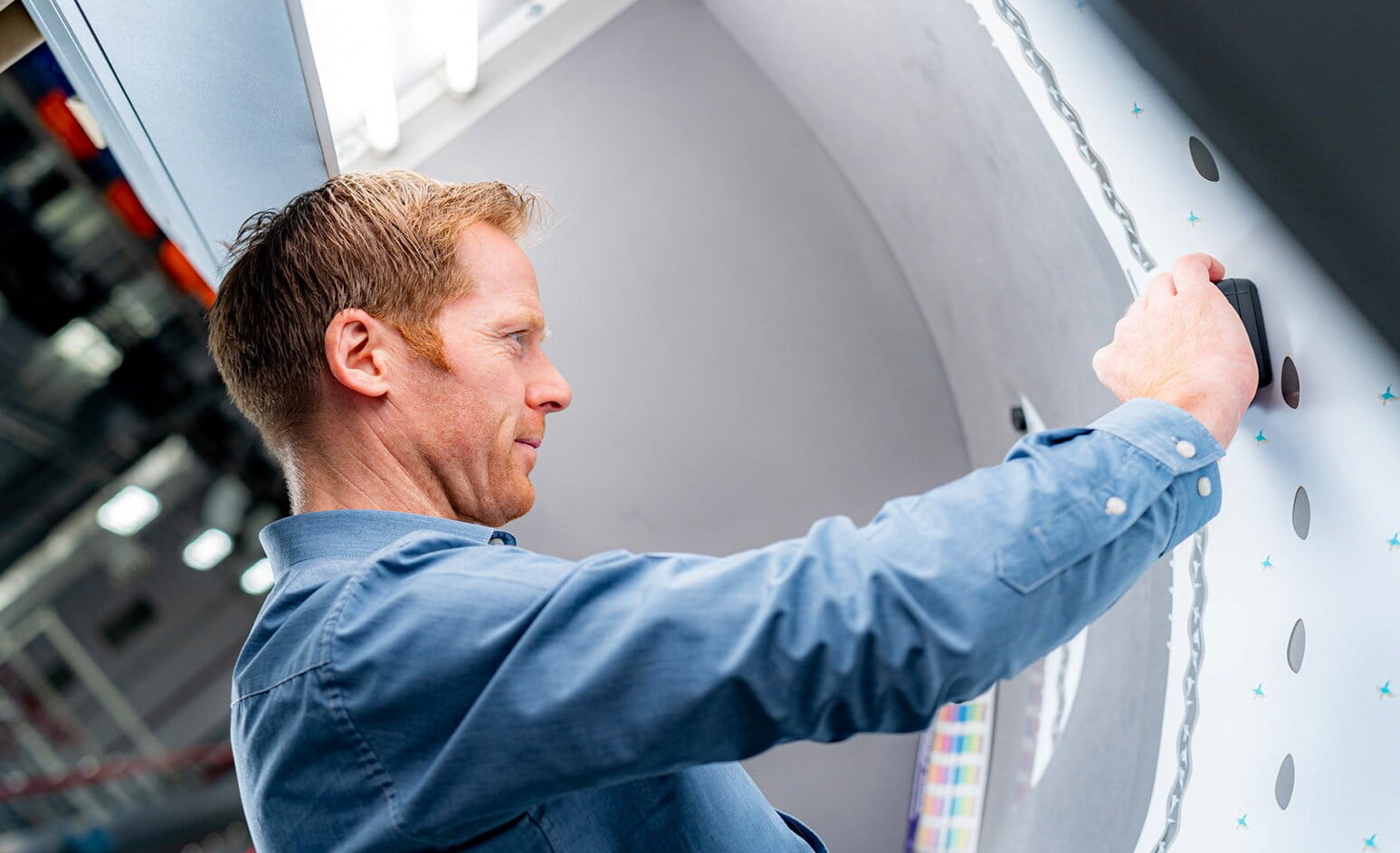
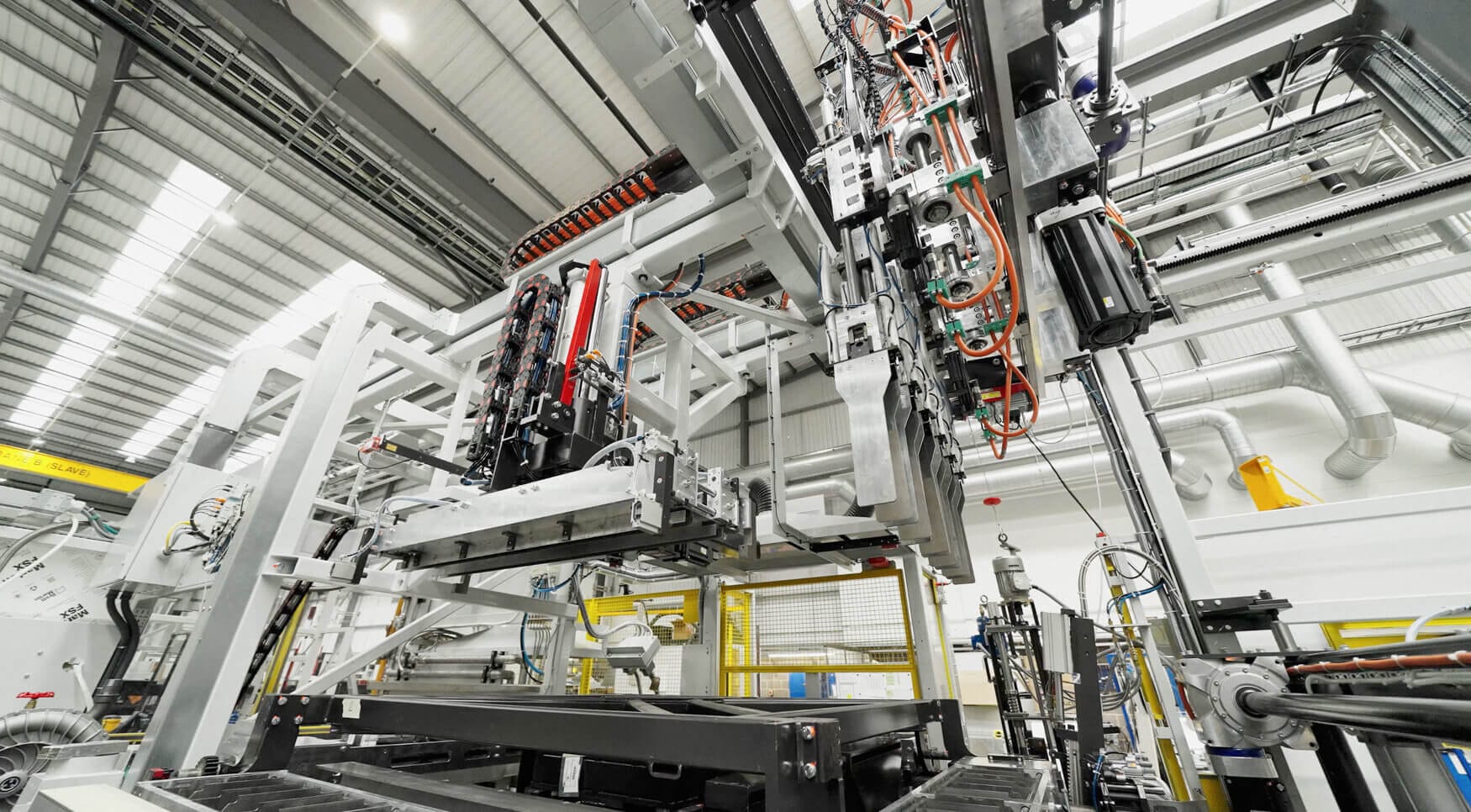
Each sequence should have a clear purpose. A wide shot can establish the line and its layout, while closer coverage shows sensors, controls, tooling or inspection points. Capturing the operator’s action and the machine’s response in the same sequence makes the evidence easier to follow. On-screen labels can identify the test step without covering important details.
Make technical reviews easier for distributed teams
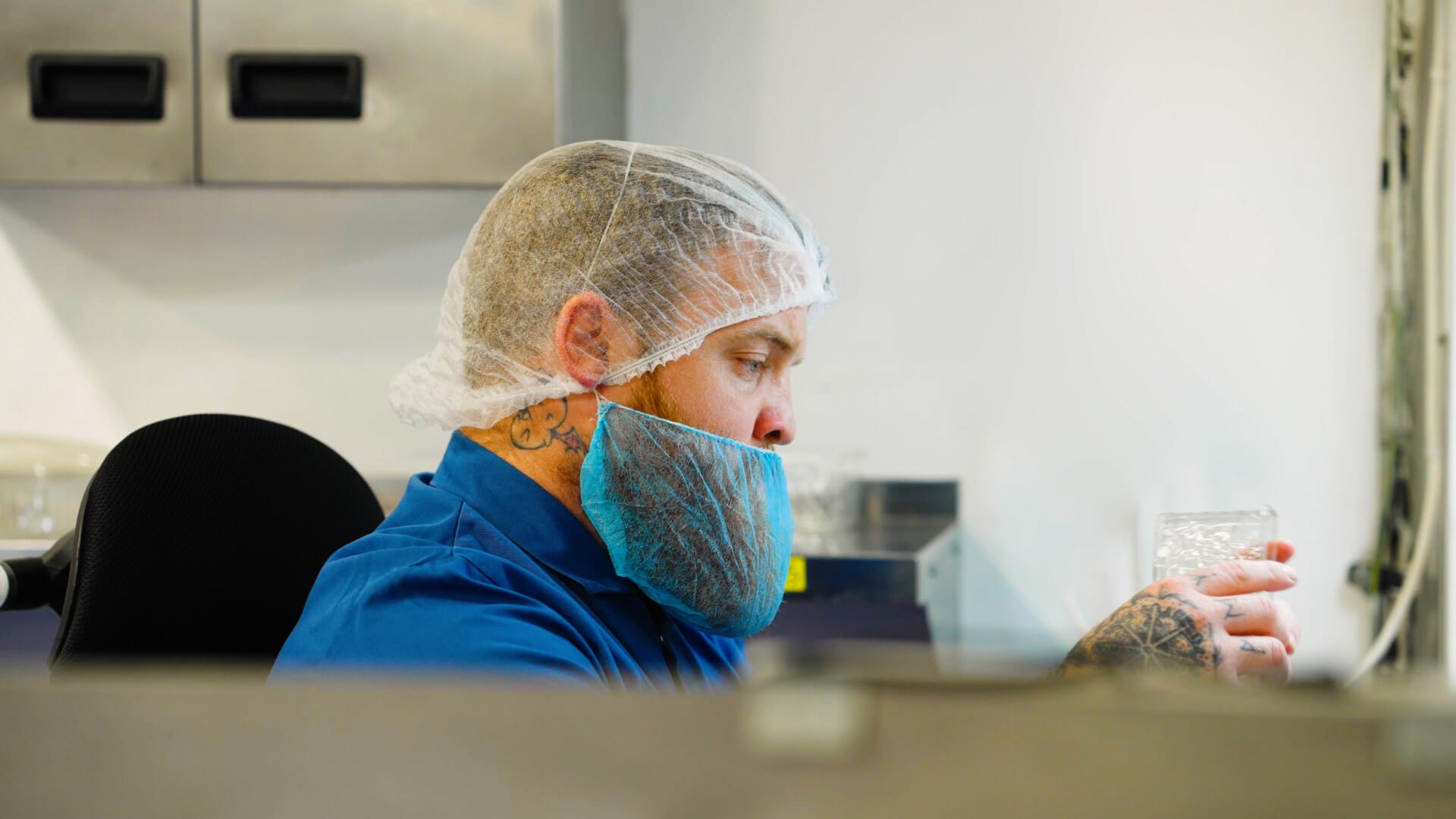
Acceptance tests often involve people who cannot all be in the same room. A concise film can give an off-site customer or specialist a practical view of the equipment before a review meeting. It can also preserve the order of events when several tests take place over a long day.
Sound matters here. Clear explanations from the test engineer, clean recordings of alarms and controlled room tone help reviewers understand what they are seeing. Where a process is particularly complex, an edited voiceover or simple graphic can explain the relationship between an input, the machine response and the expected result. The same discipline used to make technical risk easier to understand can keep acceptance evidence precise rather than overwhelming.
Capture actions, exceptions and follow-up work
A useful acceptance-testing video should not pretend that every project is perfect. If a test produces a fault, adjustment or agreed action, filming the response can help create a more honest record. The edit can distinguish between the original condition, the corrective work and the retest, so viewers can see how the issue was resolved.
This approach connects naturally with root cause analysis, particularly when a recurring issue needs to be discussed by teams who were not present during the test. It can also support the later handover by preserving the reasoning behind a change, not just the final machine state.
Turn acceptance footage into a handover resource
Once the equipment is approved, selected sequences can be reused for commissioning, operator familiarisation and maintenance planning. The edit should be organised so that a viewer can quickly find the relevant test, result or operating condition. A short index, chapter headings and consistent terminology will make the footage useful long after the acceptance meeting.
That continuity is especially valuable when a line is transported, installed or handed between teams. A video that records the agreed baseline gives the receiving site something concrete to compare against. It can sit alongside factory handover and commissioning materials, helping teams move from acceptance evidence to confident operation.
Planning the film around the acceptance criteria, recording both normal and exceptional events, and editing for practical review turns manufacturing video into a working project asset. It helps technical teams communicate clearly while leaving the formal test documentation in control of the approval process.