A manufacturing video can look polished and still fail to build confidence. Buyers are experienced at recognising broad claims, staged activity and language that avoids useful detail. Credibility comes from showing real evidence in a clear, accurate story.
Effective manufacturing video production lets viewers see how a company works, hear from knowledgeable people and understand why its processes deliver dependable outcomes. The camera quality matters, but trust is created by what appears in front of it.
Replace general claims with visible evidence
Words such as innovative, reliable and quality-focused appear across industrial marketing. They become meaningful only when the film shows the systems and actions behind them. A calibrated measurement, documented inspection or controlled changeover can communicate more than a long list of adjectives.
Before filming, identify the claims the business wants to make and ask what a visiting customer would need to see to believe each one. This produces a practical evidence list for the shoot.
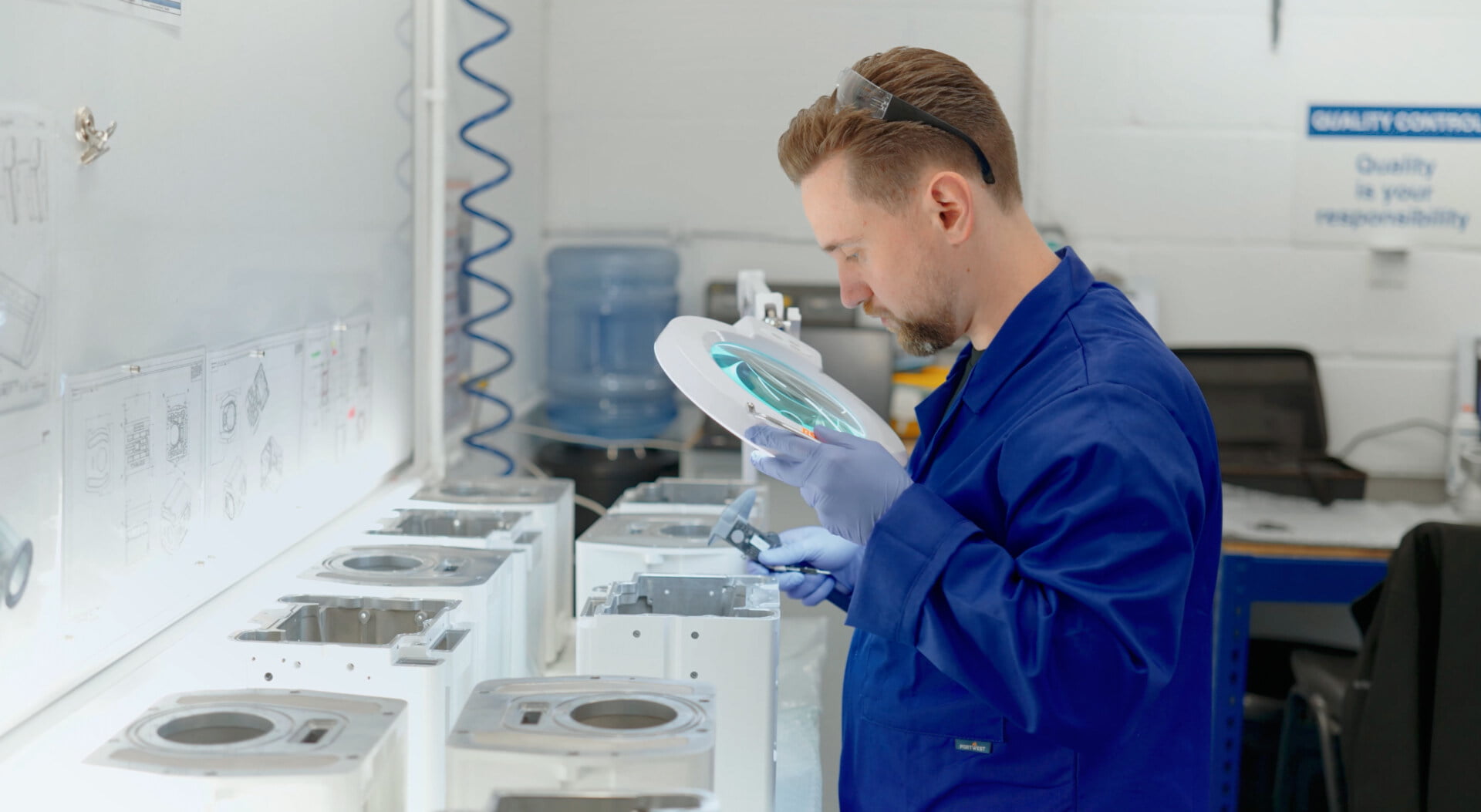
A thoughtful approach to filming manufacturing quality control can turn inspection, traceability and operator skill into clear proof rather than unsupported promises.
Show genuine work rather than staged gestures
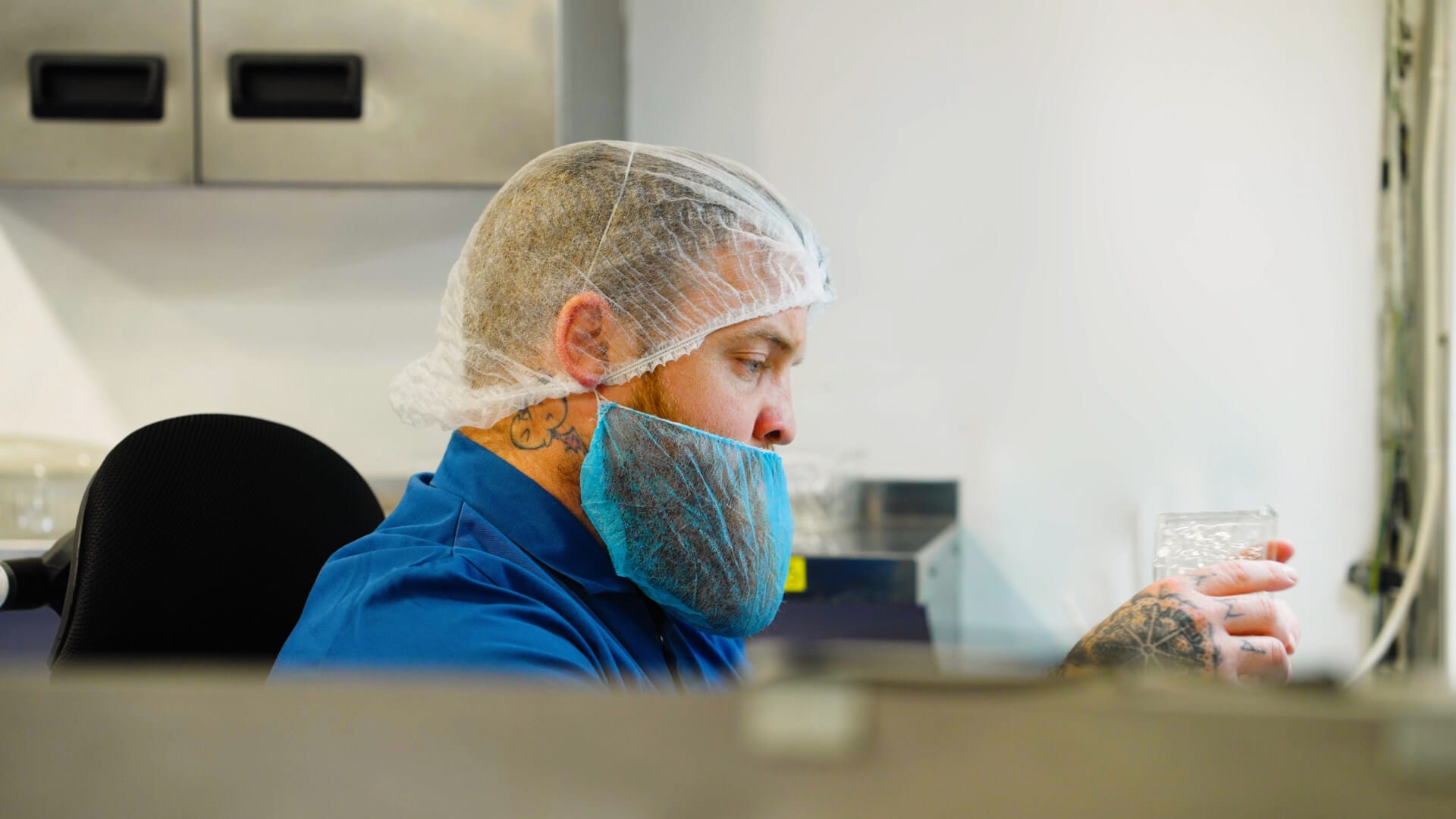
Employees appear most confident when carrying out familiar tasks. Real setup, machining, assembly and testing have a rhythm that is difficult to imitate. Viewers may not know every technical detail, but they can sense when activity feels artificial.
The crew should explain the required camera angles while allowing operators to follow normal procedures. Safety rules and production standards must remain unchanged. If an action needs repeating for another view, it should still be performed correctly.
Authenticity does not mean filming without preparation. Work areas can be organised, sensitive information protected and suitable production runs scheduled in advance while keeping the activity itself genuine.
Choose contributors who know the subject
A credible speaker does not need to be a polished presenter. They need first-hand knowledge, clear examples and the ability to explain why a process matters. Engineers, operators and quality specialists often bring authority because they can describe decisions made every day.
Job title alone should not determine who appears. A brief pre-interview helps identify people who understand the audience’s questions and can answer them naturally.
Guidance on choosing manufacturing video contributors helps build a balanced group of voices across technical, operational and customer-facing roles.
Use precise language without overwhelming viewers
Technical accuracy builds trust, but unexplained jargon can create distance. Contributors should use the correct terms and then connect them to a practical outcome. A tolerance matters because it supports reliable assembly; a traceability system matters because it protects the customer.
Captions and simple graphics can clarify measurements, process names and sequences. They should support the explanation rather than fill the screen with data.
Every figure and claim needs approval from the relevant specialist. Current specifications, certifications and capacity information should be checked before publication.
Let the factory provide context
Wide shots establish the scale, organisation and flow of the facility. Medium views show how people interact with equipment, and close-ups reveal the details that support important claims. Together, these perspectives give remote viewers some of the context of a factory visit.
The environment should look like the real business at work. Correct protective equipment, clear walkways and normal operating practices all contribute to the impression of control.
Lighting and composition can improve readability without making the facility feel like a set. The goal is to present reality clearly, not replace it with a cosmetic version.
Build a story that is easy to follow
Credibility weakens when the edit combines unrelated processes or implies a sequence that does not exist. The camera team should understand the production flow and record enough connecting footage to preserve accuracy.
A logical structure might follow material from arrival through manufacture, inspection and dispatch. Another film could follow a customer challenge through engineering and delivery. In both cases, viewers should understand what happens and why.
Carefully planned manufacturing video B-roll supplies the visual evidence needed to support interviews and maintain a coherent sequence.
Include limitations and context where they matter
Trust does not require revealing confidential information, but it does require avoiding misleading impressions. If footage shows a specialist application, the narration should not imply that every product follows exactly the same route.
Specific claims are stronger when their context is clear. Instead of claiming unlimited flexibility, explain the range of materials, batch sizes or engineering support the business genuinely provides.
This precision helps qualified prospects recognise a good fit. It may narrow the message, but it strengthens its value for the audience that matters.
Use customer outcomes carefully
Case studies provide powerful evidence because they connect capability to a result. The strongest examples explain the original challenge, the manufacturer’s contribution and the outcome without exaggeration.
Customer approval should cover names, footage, performance figures and any quotation used. If confidentiality prevents identification, the story can still describe the sector and problem while remaining accurate.
A genuine customer voice is valuable, but manufacturing footage should also show the process that made the result possible. This combination links testimony to visible capability.
Keep the edit restrained
Fast cuts, dramatic music and heavy effects can create energy, but they should not obscure the evidence. Industrial audiences often need time to study equipment, process detail and finished work.
Pacing should reflect the subject. Automation may support a quicker rhythm, while precision assembly or inspection benefits from longer, steadier images. Natural factory sound can add authenticity when it is used selectively.
The film should be long enough to answer its main question and short enough to avoid repetition. Removing duplicate claims is usually more effective than cutting the details that establish trust.
Review the film from a buyer’s perspective
Internal teams know the business so well that they may fill gaps automatically. Before publication, ask someone less familiar with the process to watch the film. Can they explain the capability, identify the evidence and understand the next step?
Technical specialists should confirm accuracy, while sales and marketing teams review relevance and tone. One coordinated feedback route prevents conflicting changes.
A credible manufacturing video respects the viewer’s intelligence. It shows real work, uses knowledgeable voices and connects every important claim to evidence. When those elements align, the finished film becomes more than attractive content: it becomes a practical reason to trust the manufacturer.