Production capacity is easy to claim and difficult to prove. A website can list machine sizes, shift patterns and annual output, but buyers still need to understand whether a supplier can handle their volumes, respond to changes and maintain quality under pressure. Manufacturing video production can turn those abstract claims into visible evidence.
The strongest capacity films do not simply show a busy factory. They explain how people, equipment, planning and quality systems work together. That gives prospective customers a clearer picture of what the manufacturer can deliver and why the operation is dependable.
Start with the buyer’s definition of capacity
Capacity means different things to different customers. One buyer may care about high-volume repeat production, while another needs flexible batches, rapid changeovers or enough specialist equipment to avoid a single point of failure. Before filming, the production team should identify the commercial question the video needs to answer.
This focus prevents the film from becoming a general tour. If the objective is to demonstrate scale, wide shots of multiple production cells may be important. If flexibility is the priority, the story may concentrate on scheduling, tooling, skilled operators and the ability to move work between machines.
Sales teams can help by sharing the questions and objections they hear most often. Those insights can shape a film that supports technical sales conversations rather than producing attractive footage with no clear purpose.
Show the flow of work through the factory
Capacity is easier to understand when viewers can follow the movement of work. A logical visual sequence might begin with incoming material, move through preparation and production, and finish with inspection, packing and dispatch. This structure shows that output depends on the whole system rather than one impressive machine.
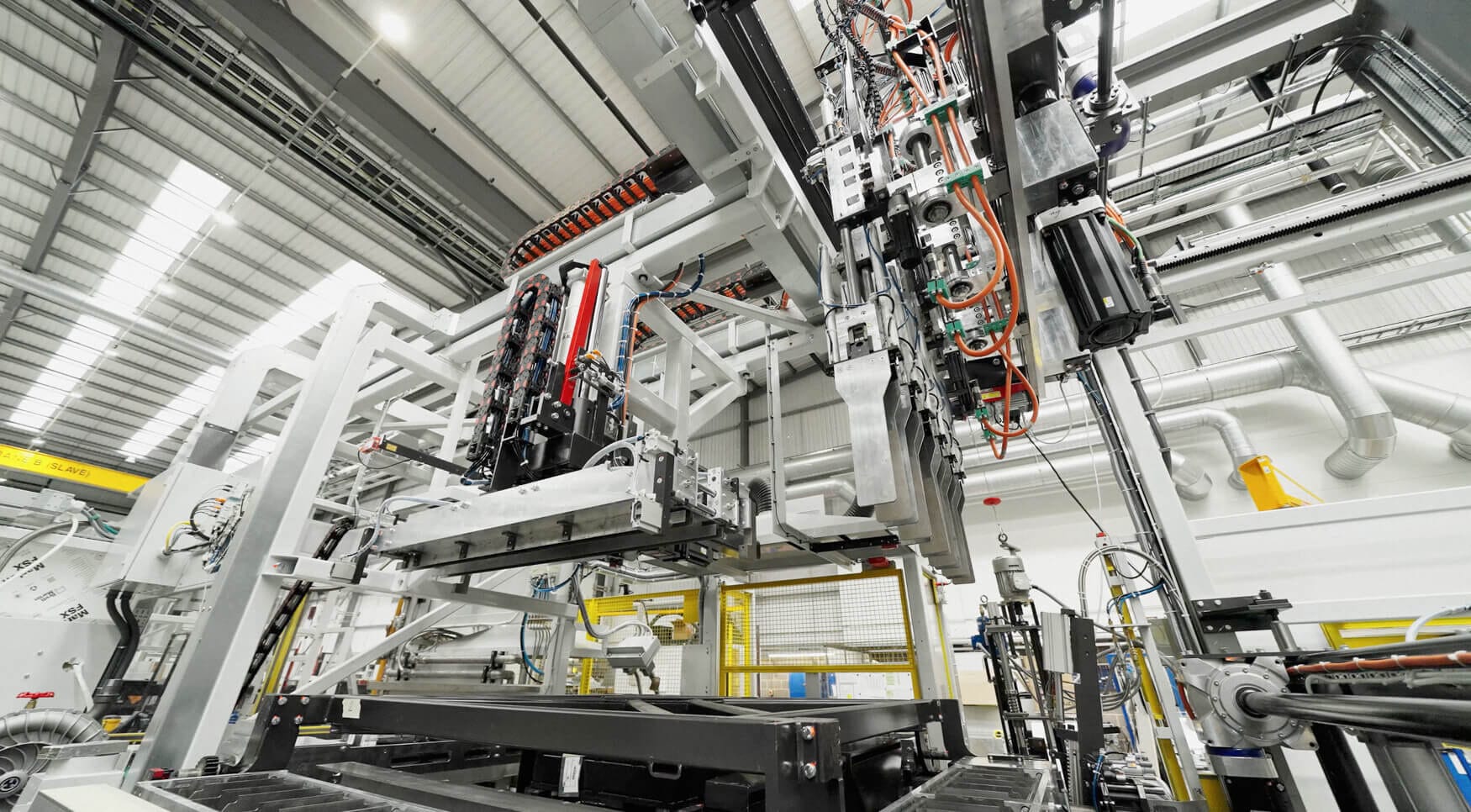
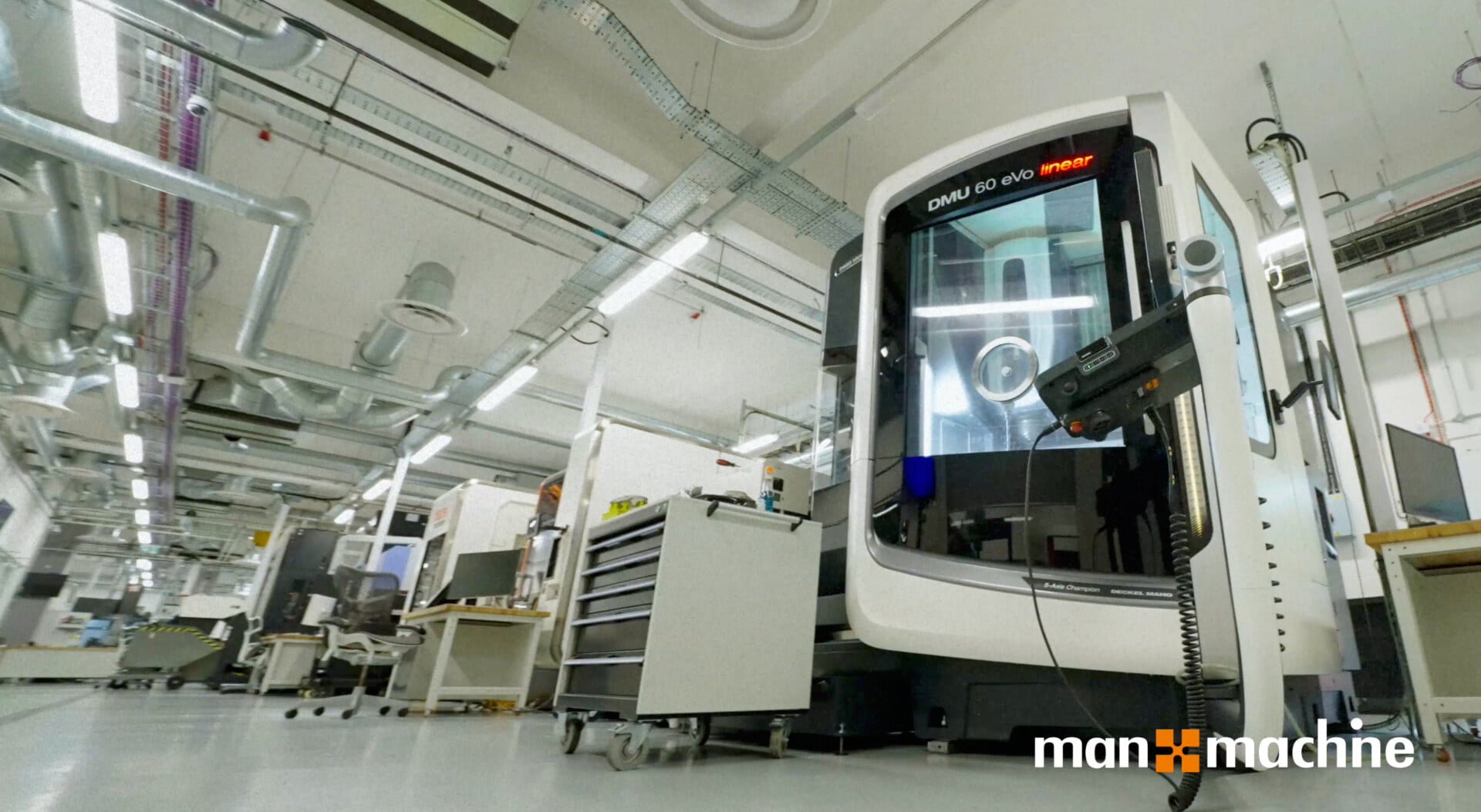
Wide establishing shots help viewers understand the scale and layout of the facility. Medium shots show how operators, materials and equipment interact. Close-ups reveal the details that support repeatability, including tooling, controls, job documentation and measurement processes.
Camera movement can also clarify flow. A carefully planned tracking shot or a sequence linked by consistent screen direction can guide the viewer through several stages without confusion. The aim is not to make the factory look artificially fast, but to make its organisation visible.
Use real activity instead of staged busyness
A credible capacity film should reflect normal production. Asking employees to hurry, crowding every machine with activity or using exaggerated editing can make the result feel less trustworthy. Buyers with manufacturing experience will recognise when a scene does not match genuine working practice.
It is better to film representative jobs at the right moments. The schedule can be built around production runs that demonstrate useful variety, scale or complexity. A recce with production managers helps identify when those moments will occur and which areas can be filmed safely.
Real activity also produces meaningful detail. Material arriving at a cell, an operator confirming a setup and completed parts moving to inspection all communicate control. These observations help turn visual evidence into practical understanding for customers and internal teams alike.
Explain the systems behind the machines
Rows of equipment may suggest scale, but machinery alone does not guarantee dependable output. The film should also show the planning and support systems that keep production moving. Scheduling boards, digital job tracking, maintenance routines and material control can all provide useful context.
Short interviews with production leaders can explain how demand is managed, how priorities are reviewed and what happens when a programme changes. Their answers should be concise and supported by relevant footage, so the viewer sees the process while hearing why it matters.
When discussing capacity figures, accuracy is essential. Any claims about volumes, lead times or utilisation should be current and approved. If figures vary by product, it may be better to explain the conditions that affect output rather than presenting one headline number without context.
Connect capacity to quality control
Buyers do not want volume at the expense of consistency. A manufacturing video should therefore connect production scale to the checks that protect quality. In-process inspection, traceability, calibrated equipment and final verification show that controls remain active as work moves through the factory.
This is especially important for high-value equipment, regulated sectors and components with demanding tolerances. Filming the handover between production and quality teams can demonstrate that inspection is integrated rather than treated as a final afterthought.
The same evidence can support customer assurance before shipment. Showing how teams conduct pre-delivery quality checks links operational capacity to the outcome that matters most: correct, dependable products arriving as expected.
Make resilience visible
Capacity is also about the ability to respond when circumstances change. Buyers may want to know how a supplier handles maintenance, staff availability, urgent orders or fluctuations in demand. A film can address these concerns without revealing commercially sensitive information.
Footage of planned maintenance, cross-trained teams, duplicate capabilities or structured shift handovers can suggest resilience. Interviews can explain how production knowledge is shared and how managers review potential bottlenecks. The emphasis should remain on documented practice rather than unsupported reassurance.
Confidentiality needs careful management. Production schedules, customer names, drawings and data screens may appear in precisely the areas that need filming. Approved example documents, controlled screen displays and thoughtful camera angles protect sensitive information while preserving authenticity.
Create edits for different stages of the buying process
A main capacity film may provide a two- or three-minute overview, but the footage can serve several purposes. Short clips can focus on a specific process, equipment group, quality check or dispatch capability. Sales teams can select the most relevant evidence for each prospect.
Subtitled versions work well in presentations and on social platforms, where viewers may watch without sound. Longer sequences can support remote factory tours, tender responses or early technical reviews. Planning these uses before filming ensures the crew captures suitable orientations, clean sequences and alternative interview answers.
A well-organised footage library also makes future updates easier. If new machinery is installed or a process changes, individual sections can be refreshed without rebuilding the entire story.
Replace broad promises with credible proof
Manufacturing video production is most valuable when it makes an operation understandable. By showing workflow, systems, people, quality controls and resilience, a film can demonstrate capacity without relying on vague claims or dramatic editing.
The result gives buyers practical evidence for their evaluation. They can see not only how much the factory appears capable of producing, but how the organisation plans, controls and protects that output. That distinction turns a capacity video from a visual tour into a useful sales and assurance tool.